
NEWS
How to Choose the Right Shipping Strategy for Your Business?
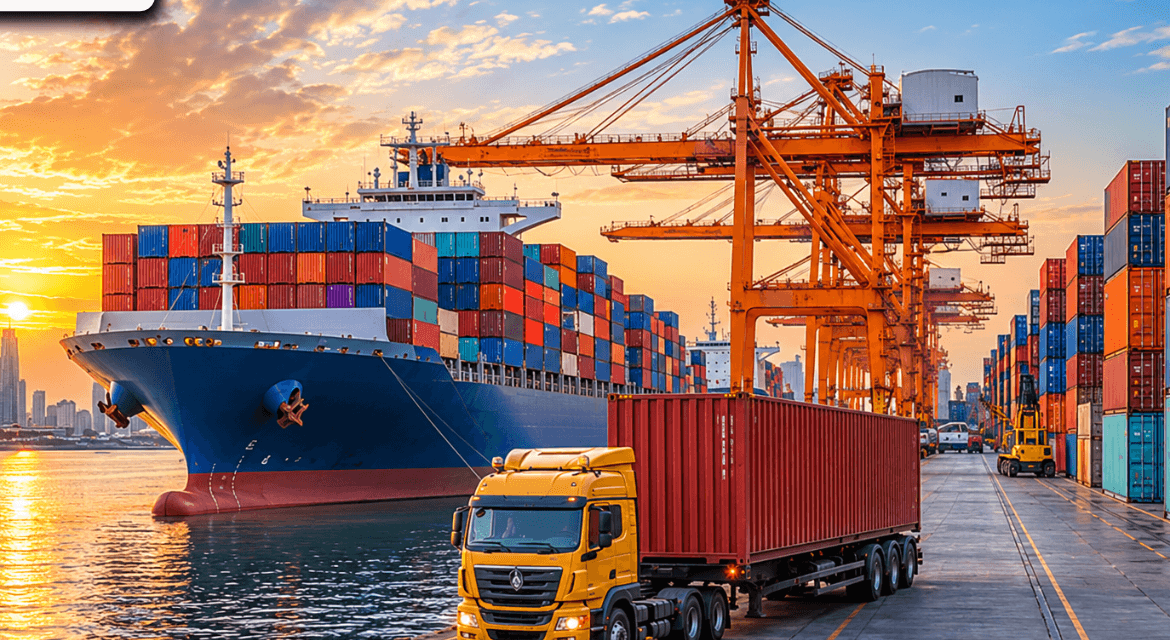
Choosing the right shipping strategy is an important decision for businesses involved in international trade. The transportation method, delivery schedule, cargo characteristics, and overall logistics costs can directly affect inventory planning, customer satisfaction, and business operations.
However, there is no single shipping solution that works for every shipment. Some businesses prioritize delivery speed, while others focus on transportation costs, cargo capacity, or the flexibility to handle different types of goods. Understanding these factors helps businesses select a suitable shipping strategy based on their actual requirements.
By evaluating shipment needs and comparing available transportation options, businesses can build a more efficient logistics plan, manage expenses, and maintain a reliable supply chain.
What Factors Should Businesses Consider When Choosing a Shipping Strategy?
Before selecting a transportation method, businesses should evaluate several factors that influence shipping performance and overall logistics costs. The right strategy should match the nature of the cargo while supporting the company’s delivery commitments and operational plans.
Some important considerations include:
- Cargo Characteristics: Product type, weight, dimensions, value, and handling requirements can determine which transportation method is suitable.
- Delivery Time: Businesses should consider how quickly goods need to reach their destination and whether the shipment has a fixed delivery deadline.
- Shipping Costs: Transportation expenses, customs duties, handling charges, and additional logistics fees should be considered when estimating the total shipping budget.
- Shipment Volume: Cargo quantity and frequency influence whether businesses should choose individual shipments, consolidated cargo, or larger transportation arrangements.
- Destination and Route: Shipping distance, available transportation routes, and access to ports, airports, or inland delivery services can affect the overall process.
Considering these factors together helps businesses avoid choosing a shipping method based on only one priority. A lower transportation rate, for example, may not always be the most cost-effective option if it results in longer delivery times or additional handling expenses.
Which Shipping Method Is Suitable for Your Cargo?
Different transportation methods offer different advantages depending on shipment requirements. Choosing between ocean freight, air freight, and inland road transportation requires businesses to consider cargo volume, delivery urgency, budget, and destination.
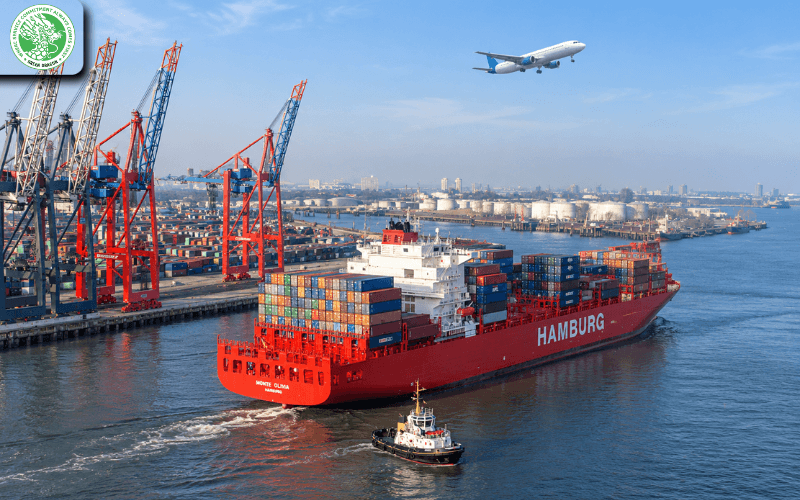
Ocean Freight: Suitable for large-volume shipments, heavy cargo, and goods that do not require immediate delivery. This method is often considered when businesses want to optimize transportation costs for international shipments. However, longer transit times and port handling schedules need to be included in the planning process.
Air Freight: A suitable option for urgent shipments, high-value products, or goods that require shorter transit times. Although transportation costs are generally higher than ocean freight, air freight can help businesses respond to tight delivery schedules and reduce the time goods spend in transit.
Inland Road Transportation: Commonly used to move cargo between ports, airports, warehouses, distribution centers, and final delivery locations. It can also connect different stages of a domestic supply chain and provide flexibility for regional transportation.
Businesses do not necessarily need to rely on only one transportation method. Combining ocean or air freight with inland transportation can create a more suitable shipping arrangement, depending on the origin, destination, and delivery requirements.
How Can Businesses Balance Shipping Costs and Delivery Time?
Shipping costs and delivery time are closely connected. Faster transportation methods generally involve higher expenses, while more economical options may require businesses to allow additional time for cargo movement and handling.
To find a suitable balance, businesses should evaluate the urgency of each shipment rather than applying the same transportation method to every order. For example, essential inventory or urgent customer orders may benefit from air freight, while regular replenishment shipments with flexible schedules may be more suitable for ocean freight.
Businesses should also consider the total logistics cost instead of focusing only on the initial freight rate. Customs clearance, port handling, warehousing, inland transportation, and potential storage charges can all affect the final shipping budget. Comparing these expenses helps businesses identify a solution that supports both cost control and delivery performance.
Why Is Shipment Planning Important for an Effective Shipping Strategy?
A suitable shipping strategy requires more than selecting a transportation method. Businesses also need to coordinate shipment schedules, prepare documentation, arrange customs clearance, and ensure that cargo can move smoothly between different stages of the logistics process.

Without proper planning, shipments may experience delays due to incomplete documents, limited transportation capacity, unexpected customs requirements, or warehouse receiving issues. These problems can affect inventory availability and create additional expenses that were not included in the original shipping budget.
Planning shipments in advance allows businesses to estimate transportation time, coordinate with logistics providers, and prepare for potential changes along the route. Regularly reviewing shipment performance and logistics expenses also helps companies adjust their strategies as order volumes, customer demands, and business priorities change.
How Green Dragon International Logistics, LLC Supports Your Business Shipping Strategy
Green Dragon International Logistics, LLC provides international logistics solutions to help businesses organize cargo transportation and manage different stages of the shipping process. Depending on shipment characteristics, delivery requirements, and business budgets, companies can consider different transportation and logistics services.

Available solutions include:
Ocean Freight: International sea transportation for businesses handling large-volume shipments, heavy cargo, or goods with flexible delivery schedules.
Air Freight: Transportation solutions for shipments requiring faster delivery and shorter transit times.
Inland Road Transportation: Domestic cargo transportation connecting ports, airports, warehouses, and final delivery destinations.
Customs Brokerage: Support with customs documentation, declarations, and clearance procedures for shipments entering or leaving the United States.
Warehousing: Storage solutions for businesses that need to hold cargo before distribution, consolidation, or further transportation.
By combining different logistics services based on shipment requirements, Green Dragon International Logistics, LLC helps businesses coordinate cargo movement, consider transportation costs, and organize their shipping operations more effectively.
Conclusion
Choosing the right shipping strategy requires businesses to consider more than transportation rates or delivery speed. Cargo characteristics, shipment volume, destination, customs requirements, and overall logistics expenses all influence which solution is most suitable.
By evaluating these factors and planning shipments in advance, businesses can balance transportation costs with delivery expectations, reduce unnecessary handling, and maintain a more reliable supply chain. With international freight, inland transportation, customs brokerage, and warehousing solutions, Green Dragon International Logistics, LLC supports businesses in developing suitable shipping arrangements and managing their logistics operations in the United States.













Recent Comments