
NEWS
Demand, capacity “don’t stack up” on U.S. container trades
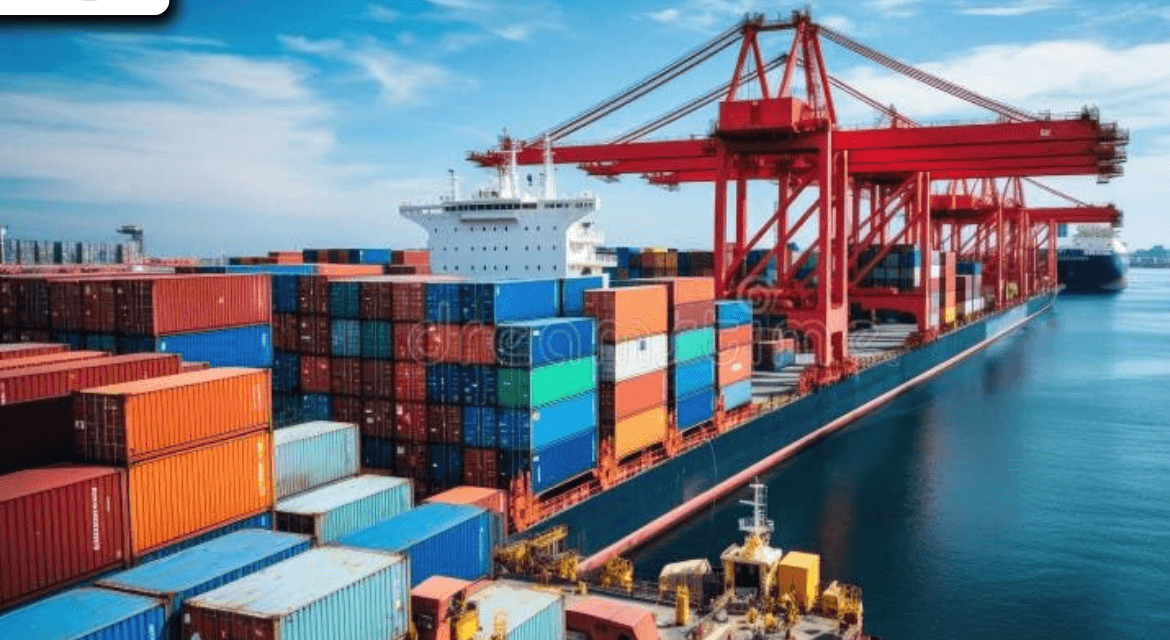
The U.S. container shipping market is currently experiencing a significant structural imbalance. While global trade is evolving, the alignment between cargo demand and vessel capacity on U.S. routes has weakened, creating both opportunities and challenges for shippers, carriers, and logistics providers. Understanding this mismatch is essential for businesses that rely on reliable, cost-effective shipping to the United States.
A Growing Mismatch in the U.S. Container Shipping Market
The global container shipping industry is once again facing a structural challenge as demand and capacity increasingly fail to align. On U.S. container trades, the imbalance between available vessel space and actual cargo demand is becoming more pronounced, creating sustained pressure on freight rates and carrier profitability.
The situation described by the keyword “Demand capacity don’t stack up on U.S. container trades” reflects a market where shipping capacity continues to expand while demand growth remains subdued. This disconnect is shaping pricing behavior, service reliability, and long-term strategy across the container shipping market.
Understanding Demand–Capacity Imbalance on U.S. Container Trades
What Does “Demand and Capacity Don’t Stack Up” Mean?
In container shipping, balance is achieved when cargo demand grows in line with vessel capacity. However, on U.S. container trades, this equilibrium has broken down. Carriers are offering more space than the market requires, leading to underutilized vessels and intensified competition.
This demand capacity imbalance U.S. container trades manifests through:
- Excess available slots on sailings
- Increased reliance on discounting to fill vessels
- Reduced pricing power for ocean carriers
- Greater leverage for shippers and forwarders
Such conditions create a soft market that is difficult to correct quickly.
Ocean Carrier Capacity Increase: A Structural Oversupply Issue
Why Capacity Continues to Rise
The ongoing ocean carrier capacity increase is largely the result of vessel orders placed during the pandemic-era shipping boom. At that time, strong demand and record-high freight rates encouraged carriers to expand aggressively.
Today, those vessels are being delivered into a very different market environment characterized by:
- Slower consumer spending in the United States
- Inventory normalization by major retailers
- Weaker import growth compared to historical averages
As a result, oversupply container capacity has become a structural problem rather than a short-term imbalance.
U.S. Container Spot Rates Decline Under Market Pressure
Downward Pressure on Freight Rates
One of the clearest outcomes of this imbalance is the U.S. container spot rates decline. With too much capacity chasing limited demand, freight rates on U.S. trade lanes have faced persistent downward pressure.
Key drivers of downward pressure on freight rates include:
- Aggressive carrier pricing to secure volumes
- Increased frequency of overlapping services
- Limited ability to withdraw capacity without losing market share
For shippers, this creates a cost advantage, while carriers struggle to maintain sustainable margins.
Asia–U.S. East Coast Container Capacity: Growth Without Matching Demand
Capacity Expansion Outpaces Cargo Volumes
The expansion of Asia–U.S. East Coast container capacity was driven by strategic diversification away from the U.S. West Coast. However, demand growth has not kept pace with this capacity increase.
Several factors contribute to this mismatch:
- Longer transit times compared to West Coast routes
- Slower recovery in discretionary consumer goods
- Increased logistics costs associated with inland transportation
As a result, many services to the East Coast are operating below optimal utilization levels.
Asia–U.S. West Coast Container Rates: Stability with Volatility
A Core Trade Lane Under Stress
The Asia–U.S. West Coast container rates remain a key benchmark for global container shipping. While volumes on this lane are relatively more stable, rates continue to fluctuate due to excess capacity and competitive pressures.
This volatility reflects:
- Shifts in retailer sourcing strategies
- Increased use of spot contracts
- Tactical rate adjustments by carriers
Even traditionally strong lanes are no longer insulated from the effects of oversupply.
Global Container Supply Demand Dynamics and the U.S. Market
A Reflection of Global Trends
The imbalance on U.S. container trades is part of broader global container supply demand dynamics. Weak demand in Europe and Asia limits alternative outlets for excess capacity, forcing carriers to concentrate vessels on U.S.-bound routes.
Globally, the industry is facing:
- Sluggish economic growth
- Persistent inflation affecting consumer demand
- Overinvestment in shipping assets
The U.S. market, as one of the largest container import destinations, absorbs much of this global imbalance.
Implications for Shippers and Logistics Providers
Opportunities in a Soft Market
A soft market shipping demand environment presents clear advantages for cargo owners:
- Lower transportation costs
- Improved negotiating power
- Greater flexibility in carrier selection
However, risks remain. Carriers may respond by abruptly cutting services, canceling sailings, or consolidating routes, which can disrupt supply chains.
Additional Considerations for Shippers
In a soft market where demand and capacity don’t stack up, shippers need more than low freight rates—they need visibility, reliability, and strategic planning.
Logistics providers play a critical role in helping businesses optimize routing, anticipate capacity adjustments, and manage sudden service changes on U.S. trade lanes.
Providers with strong U.S. market expertise, warehousing networks, and end-to-end logistics capabilities—such as Green Dragon Logistics—can help exporters maintain supply chain stability while leveraging favorable market conditions.
Vietnam Perspective: Impact on Vietnamese Exporters to the U.S.
Short-Term Benefits, Long-Term Uncertainty
For Vietnamese exporters, particularly in furniture, textiles, electronics, and agricultural products, the imbalance offers short-term logistics cost savings. Lower freight rates improve competitiveness in the U.S. market.
However, exporters should also be mindful of:
- Sudden capacity withdrawals
- Reduced sailing frequency
- Potential rate rebounds if demand recovers
Understanding container shipping market trends is critical for Vietnamese businesses seeking stability in U.S.-bound trade.
Future Container Shipping Market Trends
What Lies Ahead?
Looking forward, container shipping market trends suggest continued volatility rather than rapid normalization. Unless demand rebounds strongly, carriers are likely to pursue further capacity management strategies, including:
- Vessel idling
- Slow steaming
- Alliance-level service adjustments
Despite these efforts, structural oversupply is expected to persist in the medium term, keeping pressure on U.S. container trades.
Conclusion:
Navigating a Market Where Demand and Capacity Don’t Stack Up
The reality that demand capacity don’t stack up on U.S. container trades is reshaping global container shipping. While shippers benefit from lower rates, carriers face mounting challenges in managing excess capacity and maintaining profitability.
For businesses involved in U.S.-bound logistics, success depends on understanding market dynamics, monitoring rate movements, and working with experienced logistics partners to optimize cost and reliability.
If your company ships goods to or from the United States, now is the time to reassess your logistics strategy, leverage favorable market conditions, and prepare for ongoing volatility in the container shipping market.
Recent Comments