
NEWS
SMART TECHNOLOGY TRANSFORMING THE LOGISTICS LANDSCAPE IN THE U.S.
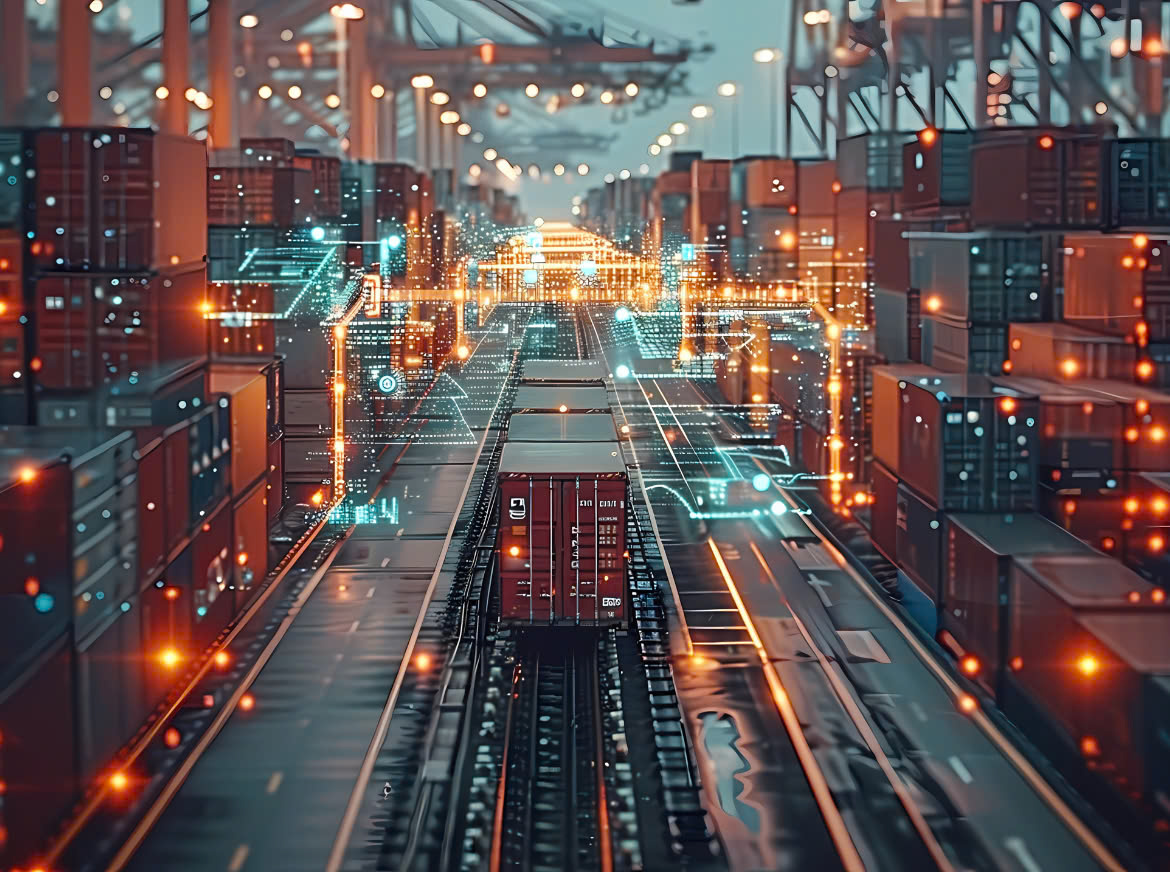
Logistics is one of the most crucial industries driving the growth of the U.S. economy. With the boom of e-commerce, the demand for goods transportation has been increasing, presenting significant challenges to the supply chain. However, thanks to smart technology, the logistics landscape in the U.S. has been positively transforming, helping to improve operational efficiency, reduce costs, and enhance customer experience.
1. The Development of Smart Technology in Logistics
Smart technology, including artificial intelligence (AI), the Internet of Things (IoT), blockchain, and autonomous vehicles, has brought significant breakthroughs to the U.S. logistics industry.
a. Artificial Intelligence (AI)
AI helps optimize transportation and warehousing processes through machine learning algorithms. With AI, logistics companies can accurately predict transportation demands, optimize routes, and manage warehouses more efficiently. This not only reduces costs but also increases delivery speed.
b. Internet of Things (IoT)
IoT devices allow real-time tracking of the location, temperature, and condition of goods during transportation. This ensures that products are delivered to consumers in the best condition, while also minimizing the risk of loss or damage.
c. Blockchain
Blockchain improves transparency in the supply chain and reduces risks associated with fraud and errors. Smart contracts help automate transaction and payment processes, reducing waiting times and increasing the security of transactions.
d. Autonomous Vehicles and Delivery Drones
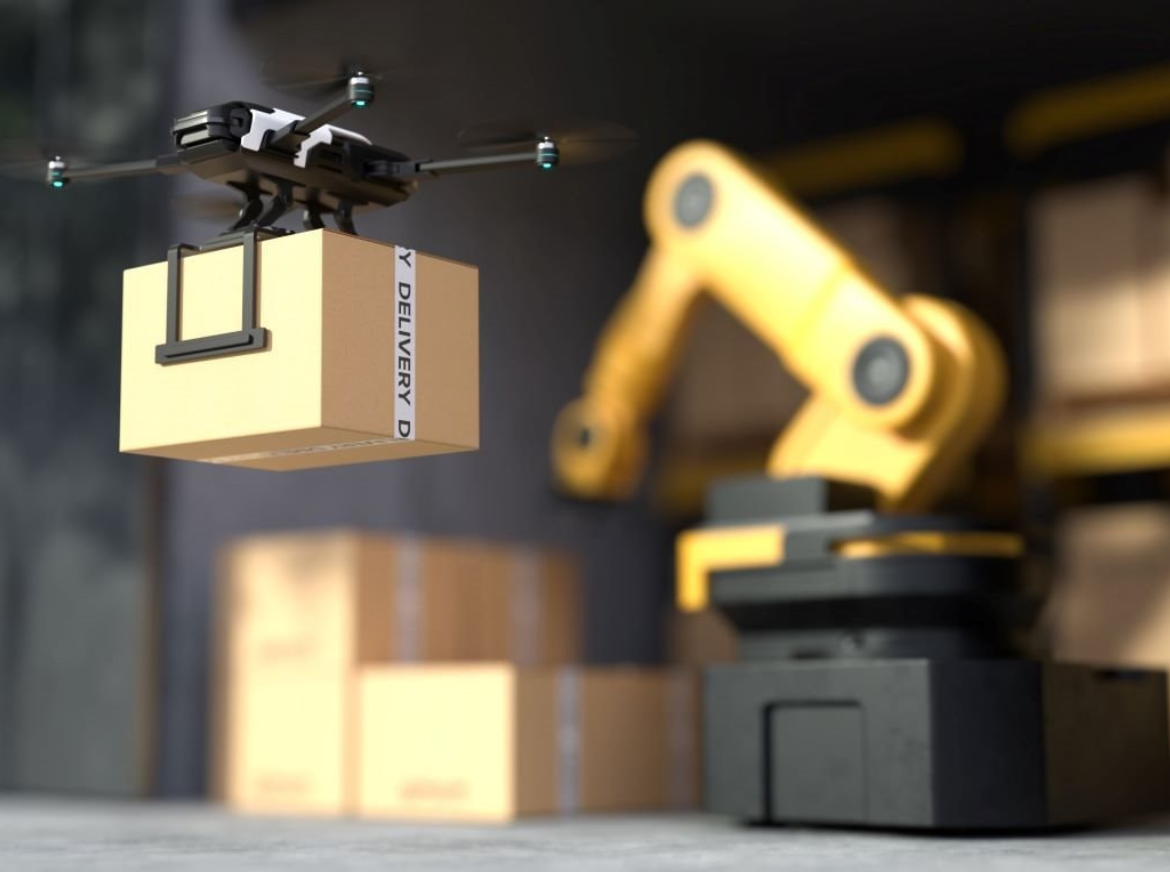
Autonomous trucks and drones are gradually becoming the future of logistics in the U.S. These vehicles can help save labor and energy costs, while also addressing the shortage of drivers in the transportation industry.

2. The Impact of Smart Technology on U.S. Logistics
Smart technology has brought numerous benefits to the U.S. logistics industry, including:
- Faster delivery times: AI algorithms and intelligent management systems help optimize delivery routes, reduce delivery times, and increase efficiency.
- Reduced operating costs: Automating processes and using autonomous vehicles and drones help cut labor and fuel costs.
- Improved customer experience: With real-time tracking systems, customers can easily monitor the progress of their shipments with transparency.
- Sustainability: Smart technology optimizes energy usage, reduces emissions, and contributes to sustainable development trends.
3. Challenges in Implementing Smart Technology
Despite the benefits, the application of smart technology in logistics faces several challenges:
- High initial investment costs: Implementing advanced technological systems requires significant investment.
- Lack of skilled technology workforce: The logistics industry is still lacking workers with high-tech skills to operate these complex systems.
- Legal and safety regulations: Laws related to the use of autonomous vehicles and drones are still being developed, posing barriers to the growth of this technology.
4. Conclusion
Smart technology is significantly transforming the U.S. logistics industry, bringing immense benefits in efficiency, cost, and customer experience. However, to fully optimize its potential, the industry needs to overcome challenges related to costs, workforce, and regulations. In the future, smart technology will continue to play an important role in driving the growth of the logistics industry globally.









Recent Comments