
NEWS
Cat-and-Mouse Tariffs Game to Reshape Global Shipping Routes

Tariffs Reshape Global Logistics: A New Era of Strategic Adaptation
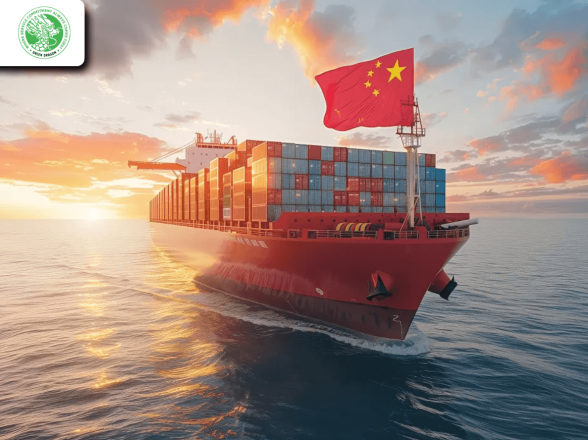
The intensifying trade tensions between major economies—particularly the United States and China—are causing lasting disruptions across global logistics networks. Beyond the immediate impact on pricing and supply chain costs, businesses are being forced to rethink how, where, and through whom goods move worldwide. The once-predictable trade lanes that connected major manufacturing hubs to end markets are now being replaced by a complex web of rerouting, repackaging, and legal maneuvering to avoid punitive tariffs.
Circumventing Tariffs through Strategic Rerouting
A growing number of companies are intentionally bypassing direct shipping routes between China and the United States to avoid steep tariffs—some exceeding 25% or 30% on targeted goods. To navigate these duties, manufacturers are increasingly rerouting goods through countries like Vietnam, Thailand, Indonesia, and Malaysia. In many cases, minor adjustments or final assembly steps are performed in these intermediary countries, allowing the goods to be legally reclassified under a different country of origin.
Mexico has also emerged as a prominent transshipment and processing location, especially for U.S.-bound shipments. Leveraging its participation in USMCA and geographic proximity, many suppliers are setting up light manufacturing operations in Mexico to benefit from lower duties and faster customs clearance into the U.S.
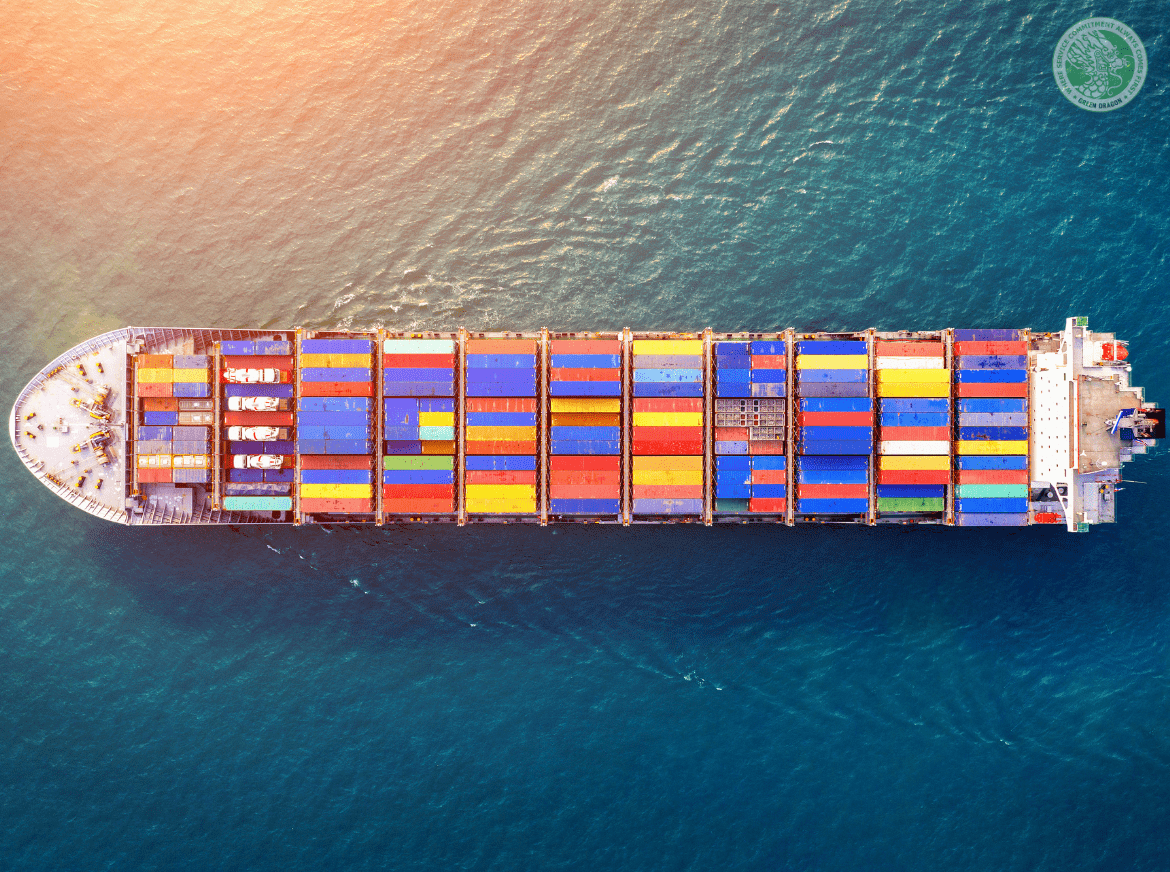
In parallel, global transshipment hubs such as Singapore, Rotterdam, and Dubai are experiencing higher container volumes. These hubs allow businesses to manipulate shipping documents, change product classifications (HS codes), and delay the declaration of final destinations—strategies often used to manage duty liabilities.

Shifting Manufacturing and Sourcing Models
As tariff policies grow more volatile, companies are moving away from an over-reliance on China in favor of a “China+1” strategy. This model involves maintaining some production capacity in China while diversifying into other low-cost manufacturing nations like India, Bangladesh, and Vietnam. These moves not only spread risk but also position companies to be more agile in responding to geopolitical shifts.
Additionally, some firms are reshoring or nearshoring parts of their operations to reduce lead times and improve supply chain visibility. For instance, U.S. retailers are increasingly working with suppliers in Central America or Mexico to reduce delivery cycles and avoid exposure to Asia-U.S. ocean freight disruptions.
Operational Strains and Port Congestion
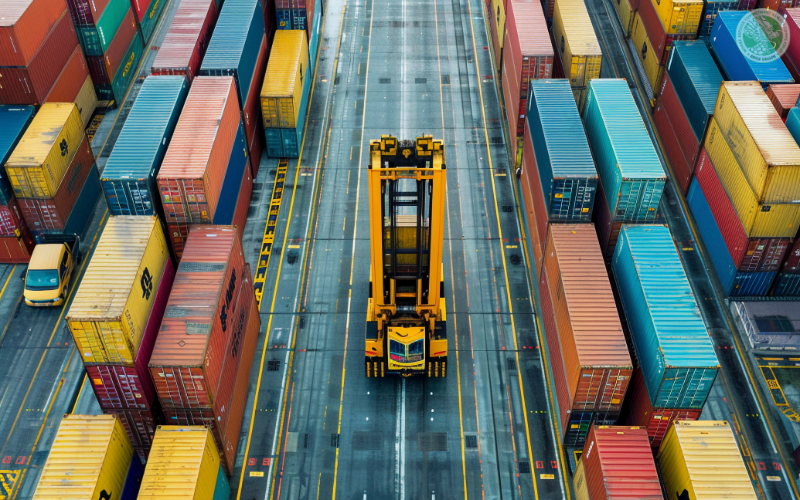
However, these strategic shifts bring operational challenges. Lesser-developed ports in Southeast Asia and Latin America are now facing capacity constraints. Increased container traffic is leading to port congestion, longer dwell times, and rising demurrage charges. Carriers are also adjusting shipping schedules and expanding services to newly popular routes, such as Southeast Asia–Mexico or India–East Africa.
This complexity adds pressure to logistics departments, requiring enhanced collaboration between freight forwarders, customs brokers, and port authorities. Companies are being forced to invest in better supply chain planning tools, digital customs management systems, and real-time tracking solutions to remain competitive.
Compliance and Trade Intelligence as a Competitive Edge
Another result of this shift is the rising demand for trade compliance professionals and supply chain strategists. Understanding rules of origin, tariff classification systems, and bilateral trade agreements is no longer optional—it’s essential. Firms are turning to advanced analytics and AI-driven platforms that simulate how different tariff scenarios affect total landed costs.
In some cases, companies are establishing internal trade compliance teams, while others are outsourcing to consulting firms that specialize in tariff engineering, product classification, and global trade strategy.
Long-Term Outlook: Logistics as Strategy, Not Just Operations
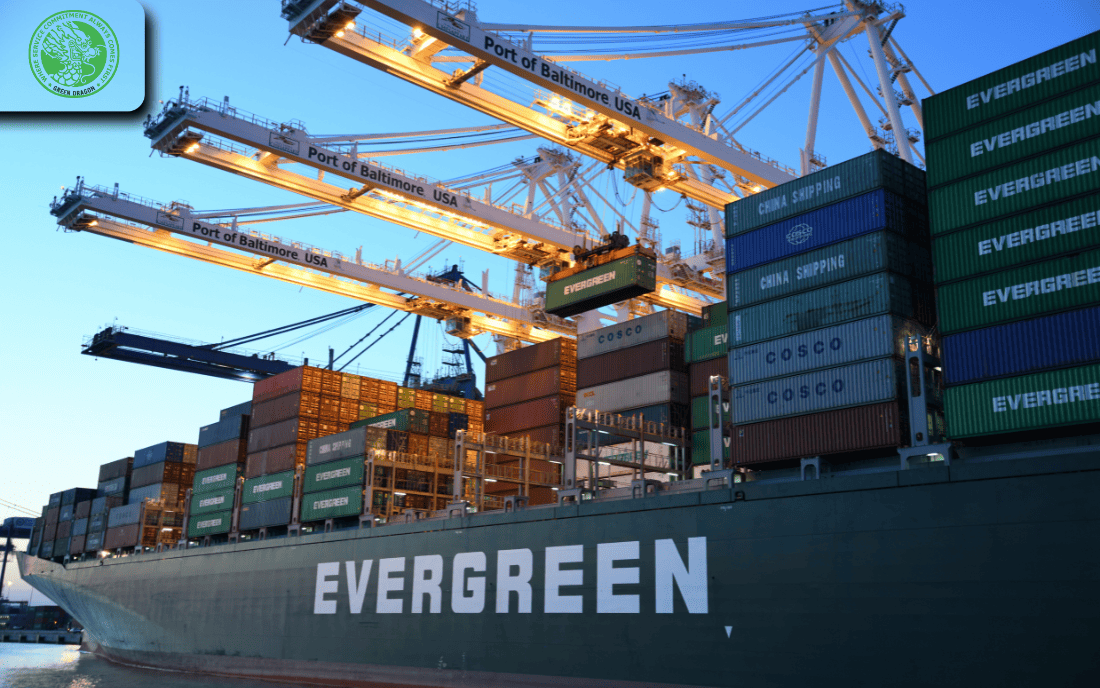
While the longevity of current trade policies remains uncertain, one thing is clear: the logistics industry has entered a new era. Decision-making is no longer solely about minimizing cost or maximizing delivery speed. Success now hinges on resilience, adaptability, and a deep understanding of the rules governing international commerce.
This shift presents both risks and opportunities. Companies that can navigate this complexity efficiently—by redesigning their supply chains, investing in compliance, and forming agile partnerships—are likely to gain a long-term competitive advantage.
In conclusion, tariffs are no longer just a tax—they’re a trigger. A trigger for a comprehensive reevaluation of global logistics strategy, pushing businesses to become not only faster and cheaper but smarter and more strategically aligned with the dynamic trade environment of the 21st century.









Recent Comments