
NEWS
UNCERTAINTY, REROUTING AND TRADE HAVOC: THE IMPLICATIONS OF TRUMP TARIFFS OF SHIPPING

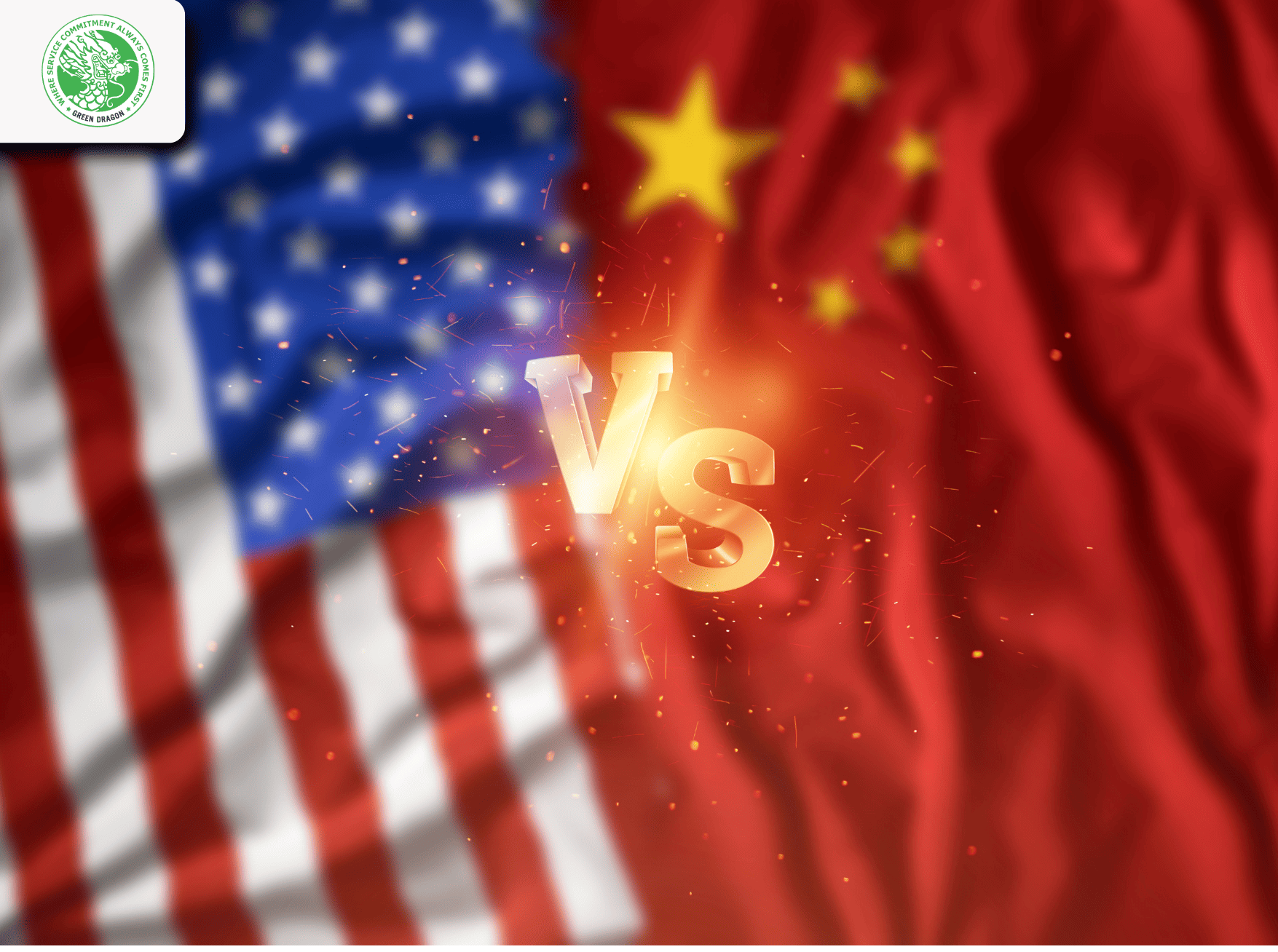
Trump Tariffs and the U.S.-China Trade War Disrupt Global Commerce and Shipping Networks
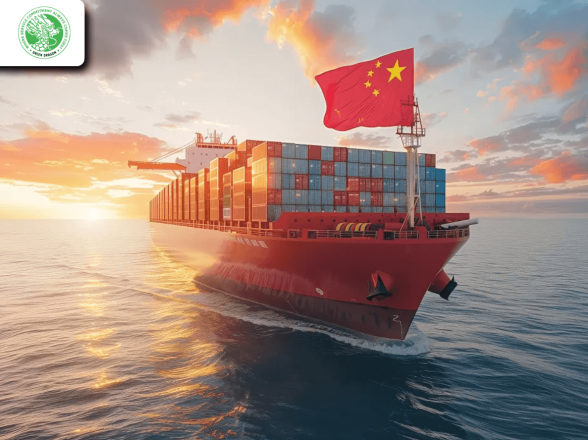
Amid renewed signs of escalation in the U.S.-China trade war, the global logistics sector—especially the field of international shipping—is grappling with severe repercussions from the hardline tariff policies proposed by former President Donald Trump. The imposition of additional tariffs of up to 50% on Chinese goods has not only disrupted supply chains but also triggered widespread instability across the global transport market, forcing companies to constantly adapt to changing trade routes and engage in costly rerouting efforts.
Direct Impact of Donald Trump’s Tariff Policy
The additional tariffs on Chinese goods, in line with Donald Trump’s “America First” approach, have swiftly reshaped the global supply chain landscape. The international logistics industry has seen a sharp rise in rerouted shipments, increased transit times, and soaring warehousing costs. Moreover, discretionary consumer behavior is shifting; higher shipping costs are discouraging buyers and reducing overall purchasing power in the U.S.
“This is clearly not good news for the global economy, stability, or trade,” a Maersk representative stated, underlining the looming threats to transportation costs, shipping schedules, and overall market sentiment.
Shift in Supply Chain Strategies
One of the most visible effects of the new tariff measures is significant disruption to trade lanes and logistics planning. Importers are unable to accurately forecast shipping expenses, delivery timelines, or even ensure access to goods when tariff rules fluctuate rapidly. Both business owners and shipping lines are adopting a cautious stance in response to financial and regulatory risks.
Rerouting: A Temporary but Costly Fix
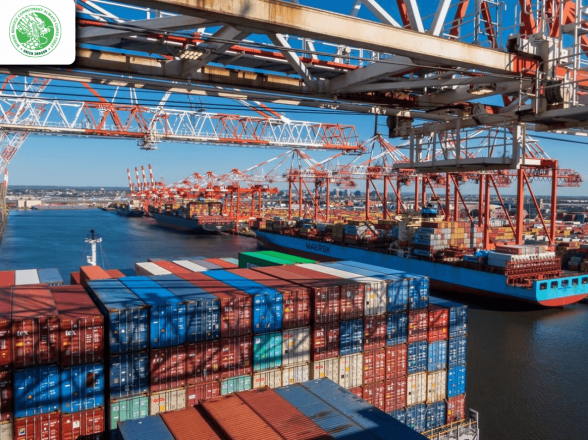
Beyond changing suppliers, the trade war is pushing companies to redesign their international shipping routes. Previously dominant trade lanes between China and the U.S., such as through the ports of Shanghai or Ningbo, are being replaced with alternatives that pass through Southeast Asia or are transshipped via hubs like Singapore, Busan, or Rotterdam to avoid tariffs.
As a result, ocean freight routes are becoming increasingly complex, leading to port congestion due to the sudden surge in redirected cargo flows. The demand for indirect routes not originating directly from China is soaring—pushing up logistics costs and delivery times.
The First Step for Shippers
Given the unpredictability of U.S. tariff policies, reassessing the current supply chain is the first and most critical action global logistics companies must take. The worldwide logistics system, already complex and heavily dependent on Chinese manufacturing hubs, is facing direct disruption due to the new tariff barriers.
Experts from DHL Global Forwarding emphasize that logistics firms should urgently audit their supply networks to identify vulnerabilities caused by rising import costs—particularly on high-volume lanes between China and the U.S. At the same time, diversifying suppliers and expanding trade lanes to Southeast Asia, India, or Mexico could help reduce exposure to market inefficiencies and potential shutdowns.

Long-Term Effects on the Global Logistics Market
If the new tariffs persist or become institutionalized in the broader U.S.-China trade policy, they could permanently alter the structure of the global logistics market. As supply chains shift to bypass tariffs, shipping routes, distribution centers, and warehouse positioning strategies will increasingly move away from China, favoring countries less affected by trade duties.
This will require logistics providers to reinvest in infrastructure, monitoring technologies, and supply chain management systems to adapt to these new geographic realities.
Furthermore, uncertainty in trade policy will prompt customers to seek more agile and diversified logistics solutions—intensifying competition but also creating opportunities for businesses capable of rapid adaptation and end-to-end service offerings.
“We are witnessing a structural turning point, not just a temporary shock,” notes Bain & Company in their 2025 Global Supply Chain Report.








Recent Comments