
NEWS
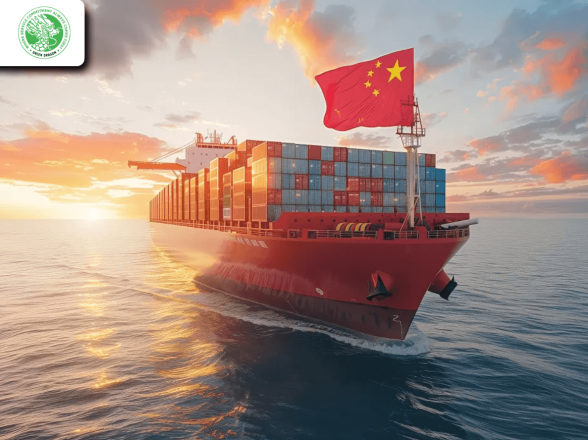
The US proposed taxing Chinese ships, forcing goods onto American ships

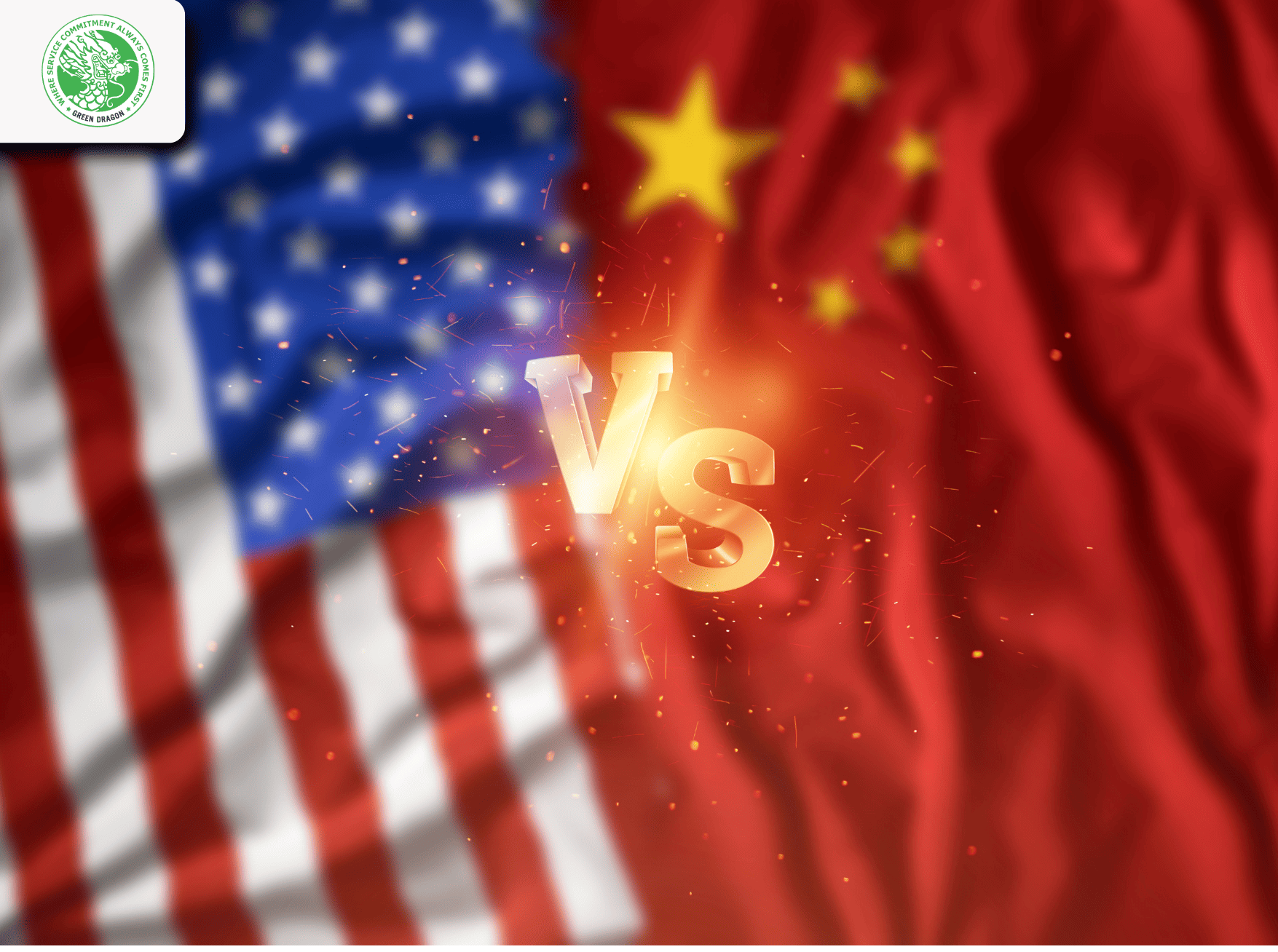
Recently, the US government has introduced a significant proposal aimed at adjusting international trade activities: imposing taxes on Chinese ships. This proposal is not merely an economic measure but also reflects a long-term US strategy to reduce reliance on Chinese goods and stimulate the domestic economy. This article will delve deeper into the reasons, impacts, and prospects of this decision on the global logistics and trade industry.
Why is the US Taxing Chinese Ships?
Reducing Dependence on Chinese Goods
The US has realized that overreliance on Chinese goods poses significant risks to the economy. Trade and political crises have demonstrated the importance of controlling the supply chain. Taxing Chinese ships is a step towards mitigating this risk.
Promoting Domestic Production
The new tax will increase the cost of shipping goods from China, thereby encouraging US businesses to resume domestic production. This not only helps create jobs but also enhances the competitiveness of US products on the international market.
Strengthening Economic Security
Using US ships instead of Chinese ships will allow the government to better control supply chains and protect economic security. This is particularly important amid increasing tensions between the world’s two largest economies.

Impact on the Logistics Industry
Changes in the Supply Chain
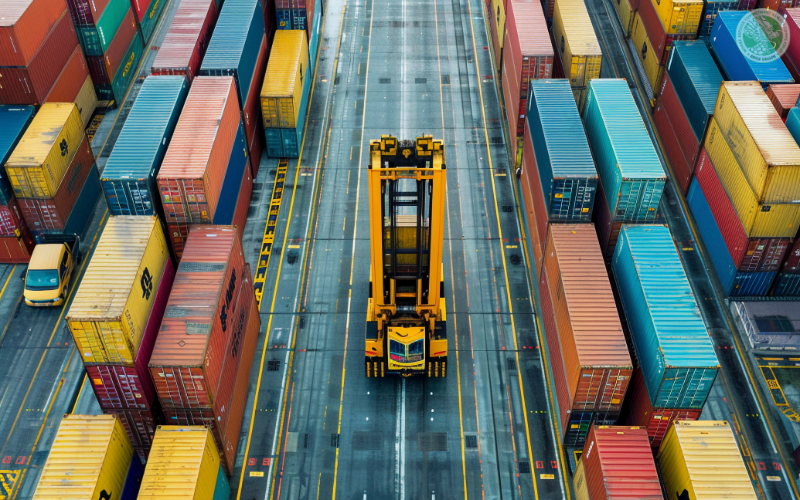
Taxing Chinese ships will lead to significant changes in how global supply chains operate. Businesses will have to adjust their shipping plans and seek new partners. This could lead to increased costs and delivery times.
Increased Shipping Costs
The cost of shipping goods from China will increase due to higher tax rates. This could affect product prices on the market, causing consumers to pay more for imported products. Businesses need to carefully consider how to maintain profitability in this context.
Opportunities for the US Shipping Industry
The US shipping industry could benefit from increased domestic freight transportation. Shipping companies will have opportunities to expand their operations and improve their services to meet the growing market demand.

Future Prospects
International Competition
If this policy is implemented, it could create a price and quality competition between US products and imported goods from China. US businesses need to improve product quality and customer service to maintain competitiveness.
International Cooperation
The US may seek new trading partners to replace goods from China. This not only helps diversify the supply but also opens up opportunities for economic cooperation with other countries.
The US proposal to tax Chinese ships presents both opportunities and challenges for the global logistics and trade industry. Businesses need to adapt quickly to these changes to optimize operations and protect profits.














Recent Comments