
NEWS
U.S.–China Trade Truce: What It Means for Global Logistics and How Green Dragon Steps In

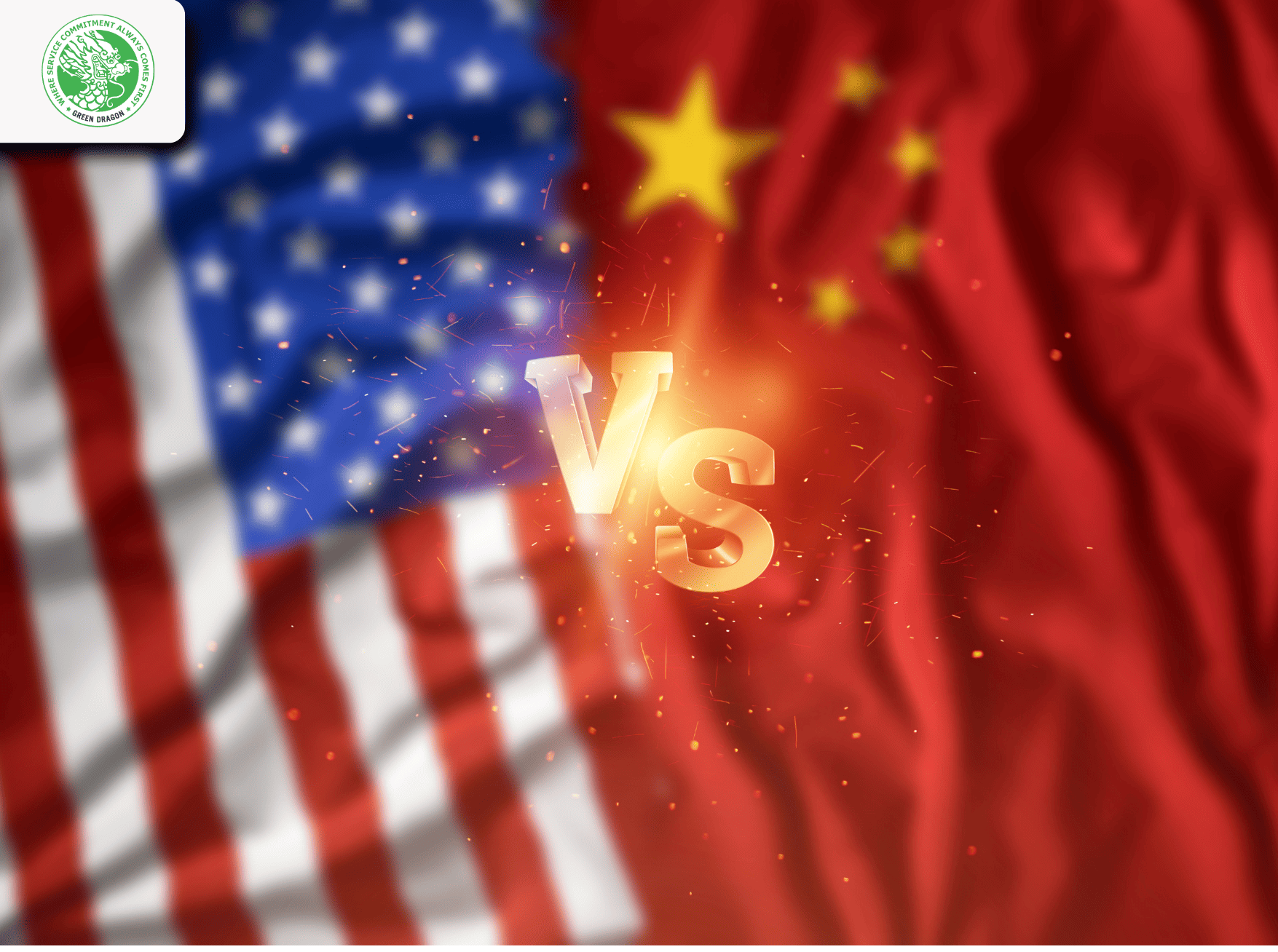
In a pivotal moment for global trade, the United States and China have reached a preliminary deal to halt new tariffs and suspend reciprocal port-fees for one year, marking a significant de-escalation in one of the most heated trade disputes of recent years. For logistics providers, supply-chain managers and exporters alike, this development offers a window of opportunity — and a reminder that strategic flexibility is essential. At the forefront of this shift is Green Dragon International Logistics, LLC, a regional player positioned to help businesses adapt smoothly.
1. What’s the Deal? Key Elements of the Agreement
The deal, negotiated amid the meeting between U.S. President Donald Trump and Chinese President Xi Jinping in Busan, South Korea, includes multiple components:
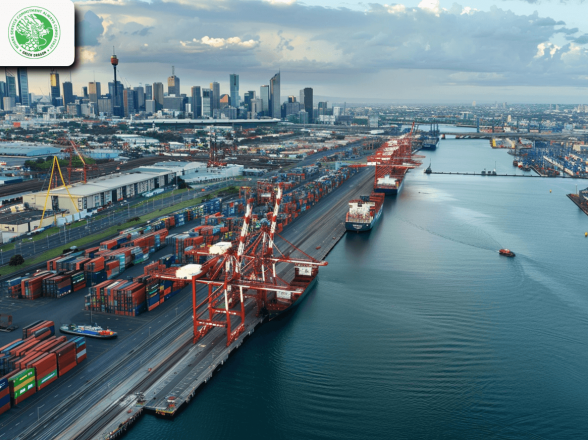
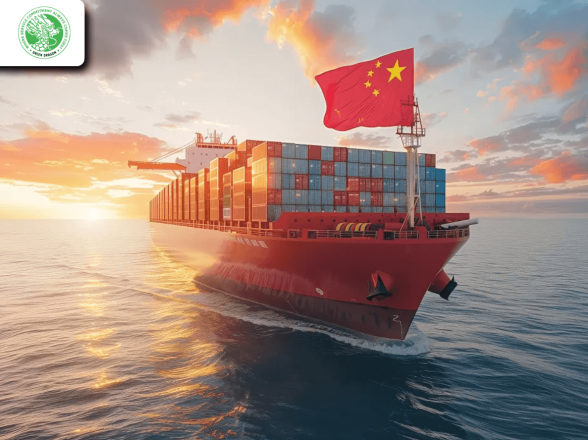
- A 12-month suspension of the new port fees imposed by both countries on each other’s shipping interests. The U.S. will pause its Section 301 fees targeting Chinese-built, owned or flagged vessels at U.S. ports. China, in return, will suspend its retaliatory port service fees levied on U.S.-linked vessels at Chinese ports
- A postponement of China’s new export controls on rare earth minerals and other strategic inputs, giving industries reliant on such materials additional breathing space.
- Included in the broader package: tariff reductions on certain categories, increased agricultural purchases by China, and cooperation on trade-regulation matters
While the announcement gives some short-term relief, logistics and supply-chain professionals emphasise the temporary nature of the pause and the need for contingency planning.
2. Why This Matters for Supply Chains & Logistics
2.1 Cost and Rate Stabilisation
With the suspension of port fees, shipping lines and carriers face fewer surprises in cost modelling for the next year. That helps stabilise freight rates and routing for global shippers, exporters, and logistics service providers.
2.2 Routing & Trans-Pacific Trade Impact
Shipping lanes that traverse U.S.–China trade routes will feel more predictable. For companies that previously considered alternative routing to avoid escalating fees, the new agreement brings relief — but also a need to reassess whether to revert to previously optimal routes or retain contingency options.
2.3 Strategic Sourcing & Manufacturing Decisions
With one major risk factor (port-fee escalation) mitigated temporarily, firms may gain time to rethink broader supply-chain strategies, such as shifting manufacturing or sourcing closer to final markets, or implementing the “China Plus One” approach.
2.4 Logistics Service Provider Implications
For forwarders and 3PLs, the development means adjustments in contracting, competence in origin-jurisdiction analysis, and readiness for changes if the pause is not extended. Green Dragon International Logistics, LLC, for instance, has been advising clients proactively on scenario planning and route flexibility.

3. What This Means for Southeast Asia and Vietnam
3.1 Exporters and Manufacturers in Vietnam
For Vietnamese companies involved in exporting to the U.S. or using China-transit routes, the temporary truce offers a window to lock in favourable logistics contracts, evaluate sourcing dependencies on China, and optimize cost structures.
3.2 Logistics Hubs & Regional Advantage
As China eases its escalation pressure, Southeast Asian countries such as Vietnam may still benefit from a repositioning of supply-chain flows. Companies working with Green Dragon International Logistics, LLC — which has a footprint in Vietnam, Cambodia and the U.S. — can tap into this strategic advantage.
3.3 3PL Strategy & Flexibility
Providers like Green Dragon can help businesses split risk: maintain existing channels via China, while simultaneously developing secondary routes through Vietnam or ASEAN hubs, enabling agility if the agreement reverts or evolves.
4. How Green Dragon International Logistics, LLC Supports Clients in This Changing Landscape
Green Dragon positions itself as a proactive partner for businesses navigating shifting logistics and trade-policy dynamics. Key services and recommendations include:
4.1 Scenario Analysis & Cost Modelling
Green Dragon’s team conducts cost-impact assessments, modelling variations with and without port-fee escalation, tariff changes and routing shifts. This empowers businesses to make informed decisions.
4.2 Route Diversification & Multi-Hub Solutions
With regional warehousing in Vietnam and U.S. fulfilment capabilities, Green Dragon enables clients to reroute goods, adjust shipment patterns, and leverage alternate hubs without disruption.
4.3 Customs & Compliance Advisory
Given trade-policy uncertainty, Green Dragon offers compliance services — origin certification, tariff classification, export-control monitoring — critical for avoiding unexpected duties or delays.
4.4 Transparent Communication & Rapid Response
As the truce is time-limited, logistics providers must respond quickly. Green Dragon emphasises real-time visibility, partner coordination and contingency logistics plans.
5. Key Strategic Recommendations for Businesses
5.1 Engage Immediate Logistics Review
Companies should review contracts, cost structures and shipment flows to ensure they remain optimal given the new environment. If you’re using routes involving Chinese ports, assess whether alternative options via Vietnam or ASEAN should be activated now.
5.2 Lock-in Logistics Costs While Possible
With one year of relative fee stability, this is a prime time to negotiate favourable long-term logistics contracts, consider volume commitments, and secure capacity.
5.3 Maintain Supply-Chain Redundancy
Even though the port-fee escalation is paused, firms cannot assume the status quo will last indefinitely. The war-chest for trade tension remains significant. Diversifying sources — manufacturing and logistics — remains sound strategy.
5.4 Align with a Logistics Partner Who Understands Policy Risk
Selecting a 3PL like Green Dragon International Logistics, LLC, which understands both U.S. and Southeast Asia markets, gives you access to expertise in trade-policy risk, regional routing and cost-optimisation.
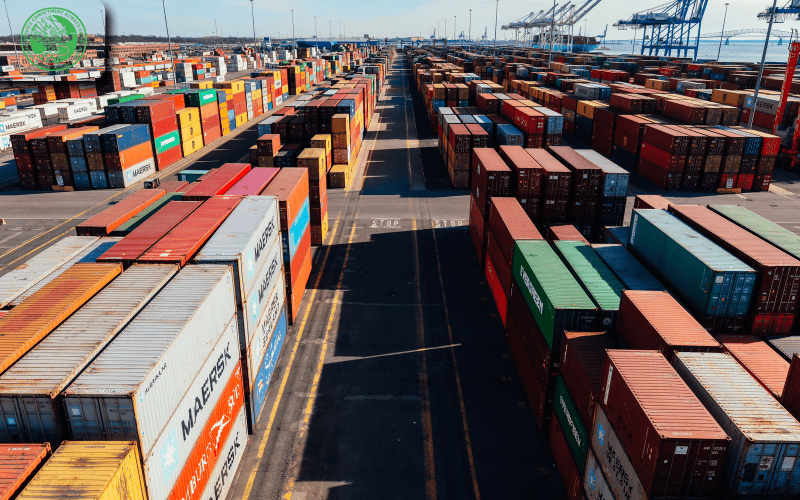
6. Outlook: What to Watch in 2026 and Beyond
While the one-year suspension provides breathing room, the underlying structural issues — ship-building dominance, maritime-logistics control, trade-imbalances — remain unresolved. Industry watchers will focus on:
- Whether the suspension is extended beyond one year or evolves into long-term resolution.
- Whether companies shift back to China-centric sourcing or accelerate diversification to ASEAN.
- How carriers and ports adjust vessel deployment, which may affect transit times and reliability.
- The potential for new tariff or export-control actions in high-tech, rare-earth or maritime segments.
The companies that move now to build supply-chain agility will likely outperform in the coming years.
7. Conclusion
The U.S.–China decision to pause reciprocal port fees and halt escalation of tariffs marks a meaningful step toward stabilising global maritime logistics — but it is far from the end of trade-policy risk. For exporters, importers and logistics providers, the era of predictable, low-surprise supply-chains is not yet here.
This is where a partner like Green Dragon International Logistics, LLC makes the difference — offering strategic advice, route alternatives and regional capabilities across Southeast Asia and the U.S. to help businesses adapt, manage cost and reduce exposure.
In the shifting terrain of global trade, adaptability, cost-awareness, and logistics dexterity will be the defining traits of success. With the right partner and the right strategy, businesses can turn policy turbulence into strategic advantage.















Recent Comments