
NEWS
U.S. Tightens Transshipment Controls: Global Supply Chains at a Crossroads
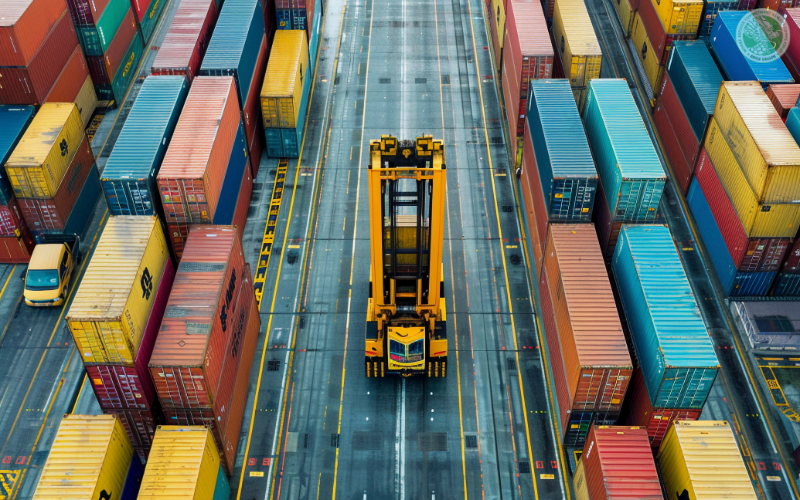
Washington’s Escalating Trade Enforcement Strategy
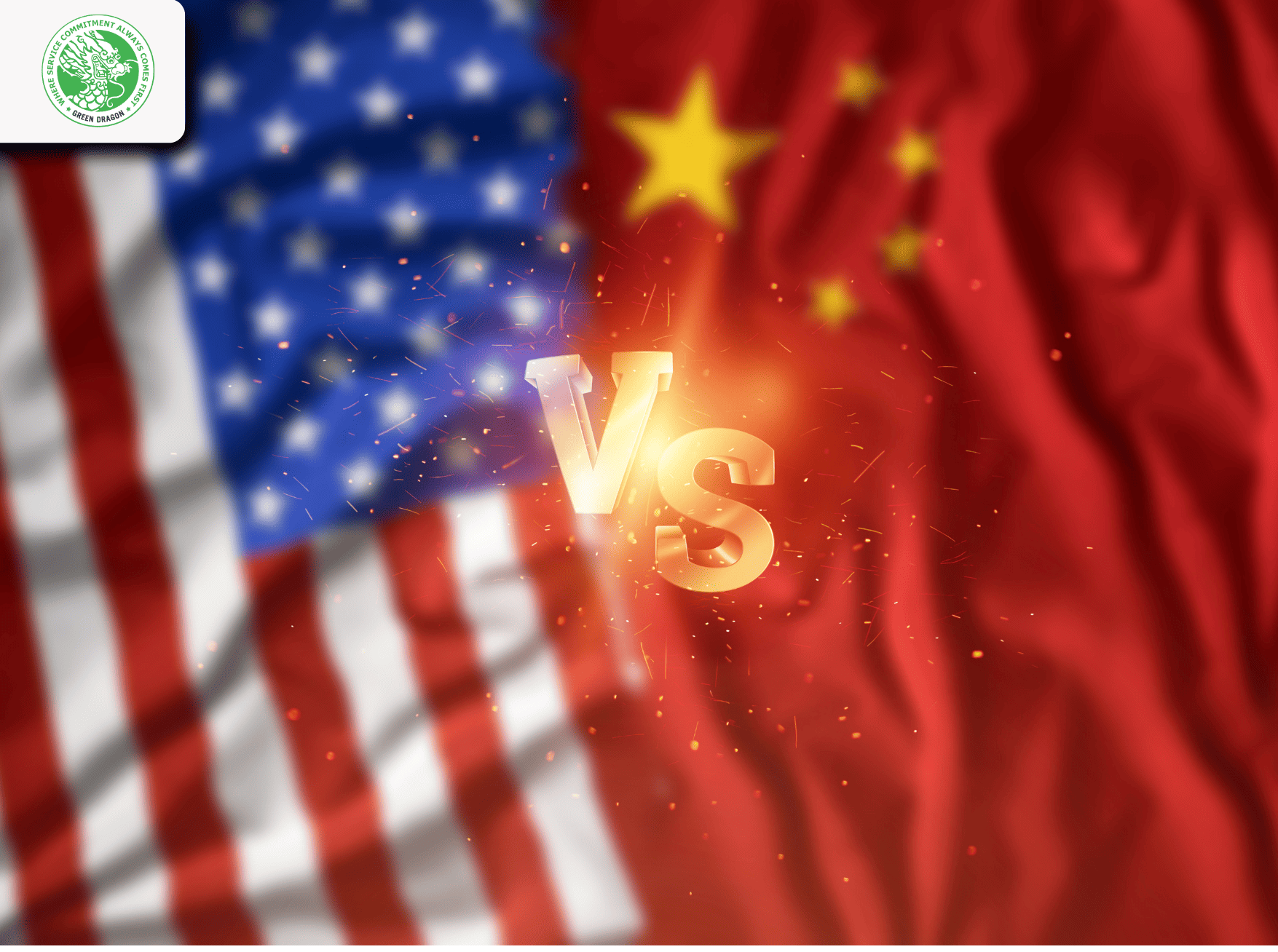
In July 2025, the U.S. government unveiled a series of enforcement measures targeting transshipment practices, in which Chinese exporters route goods through third countries such as Vietnam, Malaysia, or Mexico before entering the U.S. to circumvent tariffs.
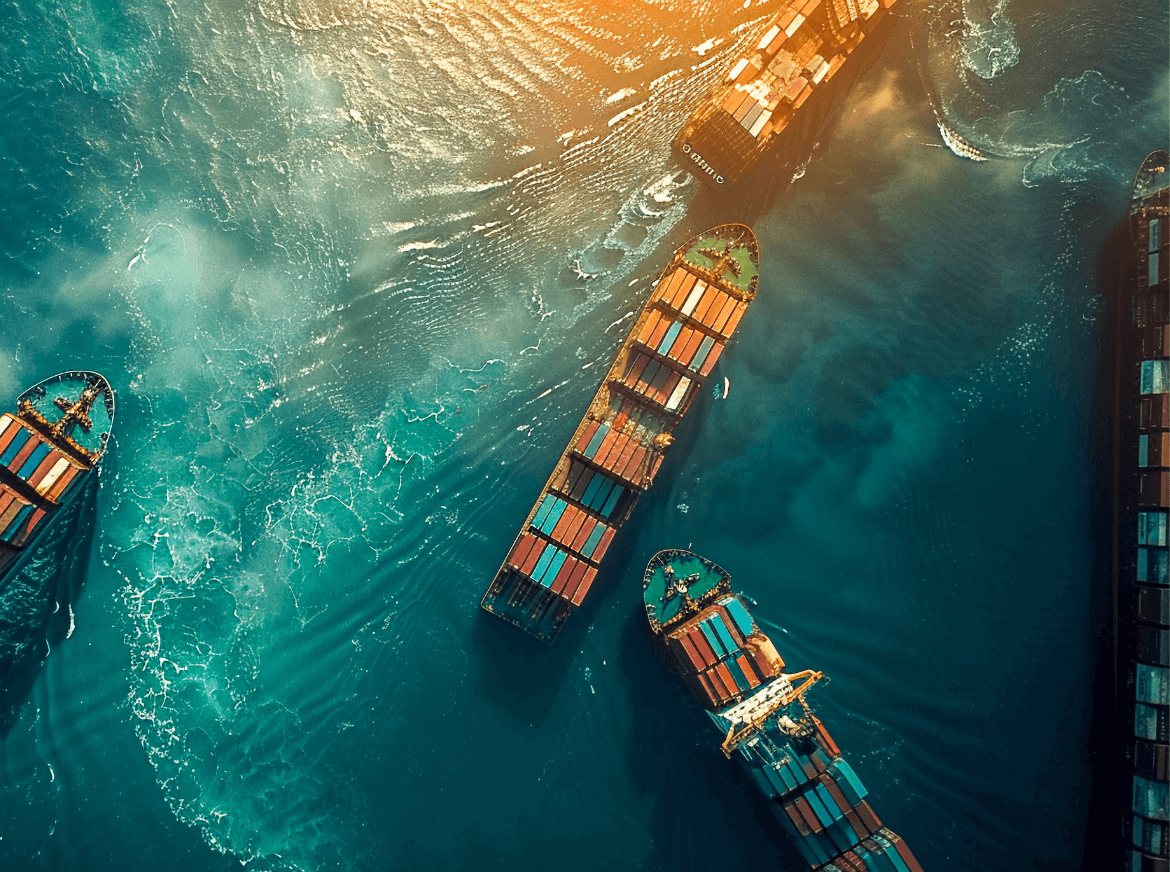
This initiative marks one of the most significant shifts in U.S. trade policy this year, with wide-ranging implications—not only for Chinese exporters, but also for logistics providers and supply chain operators worldwide, especially along trans-Pacific routes.
What Is Transshipment and Why Is the U.S. Cracking Down in 2025?
Transshipment refers to the practice of rerouting or lightly modifying goods in a third country to obscure the true origin and evade punitive tariffs or trade restrictions.
Amid ongoing tensions between the U.S. and China, many Chinese firms have increasingly relied on Southeast Asian countries as intermediate stops—either for labeling changes or basic processing—before exporting to the U.S.
To counter this trend, the U.S. is now implementing:
- Stricter rules of origin: Goods must meet a minimum value-added threshold (typically 35–40%) in the third country.
- Enhanced customs inspections: Especially for goods routed through high-risk transshipment hubs.
- Tiered tariff enforcement: Goods misrepresented in origin may be taxed as Chinese-origin products.
- Detailed documentation requirements: Including raw material sources, production records, and supplier contracts.
U.S.–China Tariff Policy and Its Ripple Effect on Global Logistics
The crackdown is having a cascading effect throughout global supply chains:
- Longer clearance times as authorities conduct more intensive documentation and container inspections.
- Increased compliance and freight costs, as companies adapt to new documentation and routing demands.
- Shifts in sourcing strategy, as exporters reassess the viability of current transit routes and consider relocating actual production to compliant jurisdictions.
Experts forecast that if these enforcement measures persist, U.S. import costs may rise further, accelerating the shift toward “friend-shoring”—diverting supply chains to countries perceived as geopolitically aligned with the U.S., such as Vietnam and Mexico.
How Exporters Can Prepare for Rules of Origin Compliance
To remain compliant and competitive under these new regulations, exporters should:
- Review and standardize their Certificate of Origin (COO) and related documents.
- Partner with transparent, verifiable manufacturers who can prove substantive transformation.
- Work closely with logistics experts to minimize risk and maintain delivery timelines.
Investing in proper documentation and supply chain clarity today can help avoid delays, fines, and lost opportunities tomorrow.
Safer Shipping Routes to Minimize U.S. Customs Risk
To navigate this evolving environment, global shippers and logistics providers are optimizing routes by:
- Prioritizing direct Vietnam–U.S. or China–U.S. lanes, bypassing flagged intermediary nations.
- Diversifying port-of-entry options (e.g., Los Angeles, Houston, New York) to avoid congestion.
- Planning shipments proactively to avoid peak clearance periods and reduce detention costs.
These adjustments offer a more secure and efficient way to uphold trade continuity, especially in sectors like consumer goods, electronics, and furniture.
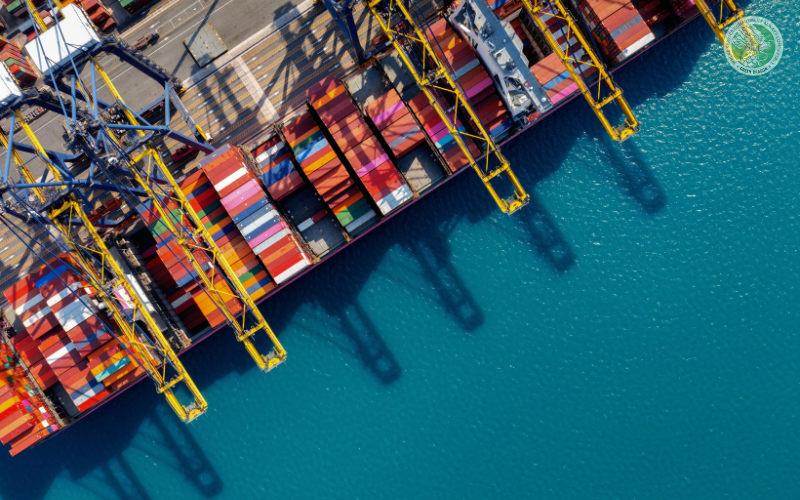
Green Dragon International Logistics, LLC: Practical Solutions for Modern Trade Challenges
At Green Dragon International Logistics, LLC, we understand the complexities of international trade—and we are ready to help clients adjust to shifting regulations. Our services include:
- Real-time trade policy updates and advisory.
- Documentation support, especially with Certificates of Origin and compliance audits.
- Route optimization consulting and diversified supply chain planning.
- End-to-end logistics solutions, including FCL, LCL, customs clearance, and warehousing.
We empower businesses to navigate regulatory headwinds with confidence while maintaining speed, reliability, and cost efficiency.
Conclusion
The U.S. government’s enhanced enforcement of transshipment regulations is part of a broader agenda to restructure global trade flows and protect domestic industries.
However, for exporters and logistics professionals worldwide, it represents a clear call to action: rethink routing strategies, strengthen documentation, and build compliant, resilient supply chains.
With expertise across Asia–U.S. trade lanes, Green Dragon International Logistics, LLC stands ready to support partners in adapting to today’s challenges—and tomorrow’s opportunities.
Contact Green Dragon International Logistics, LLC today to explore compliant, cost-effective logistics solutions tailored for the new trade environment.









Recent Comments