
NEWS
What Happens After Your Cargo Arrives in the U.S.?
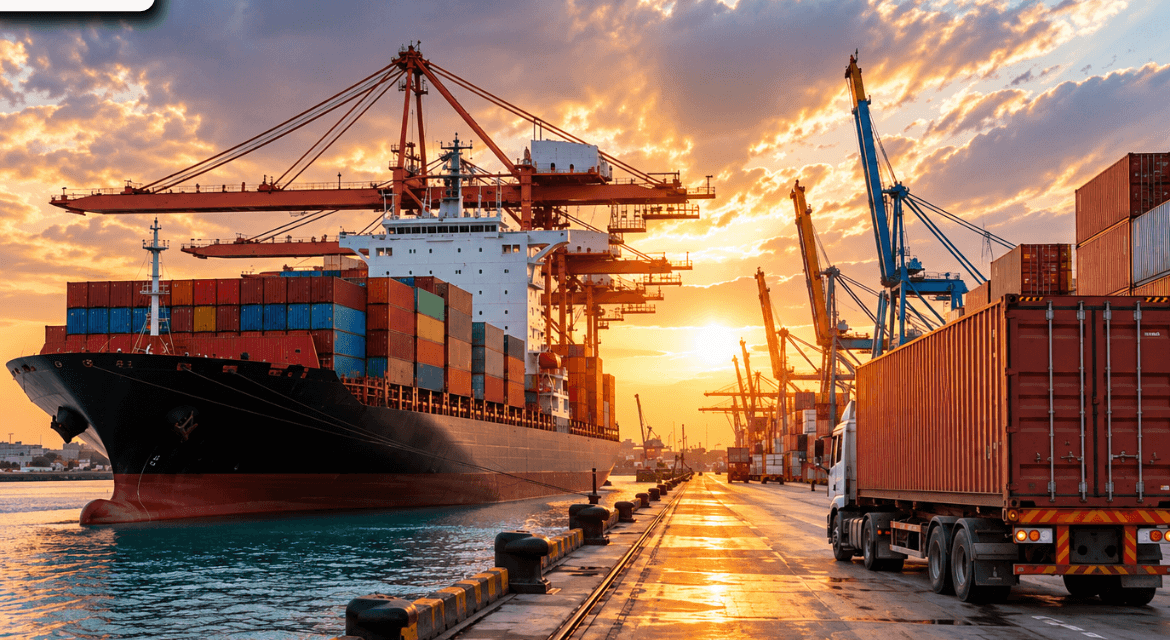
When cargo arrives in the U.S., the transportation process is not yet complete. Businesses still need to handle customs clearance, arrange inland transportation, consider temporary warehousing, and coordinate the next steps before the goods reach their final destination. Understanding what happens after arrival can help businesses prepare documents, manage costs, and avoid unnecessary delays.
What Happens During Customs Clearance?
Once the cargo arrives at a U.S. port or airport, it must go through customs clearance before it can continue to its next destination. Customs authorities review the shipment information, commercial documents, product details, and other required paperwork to determine whether the cargo meets import requirements.
Depending on the shipment, customs clearance may also involve inspections, duty and tax assessment, or requests for additional documents. Any missing or inaccurate information can delay the release of the cargo.
For this reason, businesses should prepare the necessary documents in advance and make sure the information matches the actual shipment. Proper customs brokerage support can also help coordinate the clearance process and address documentation requirements.
Where Does Cargo Go After Customs Clearance?
After customs clearance is completed and the cargo is released, it needs to be moved from the arrival point to its next destination. This may be a warehouse, distribution center, production facility, or another designated location.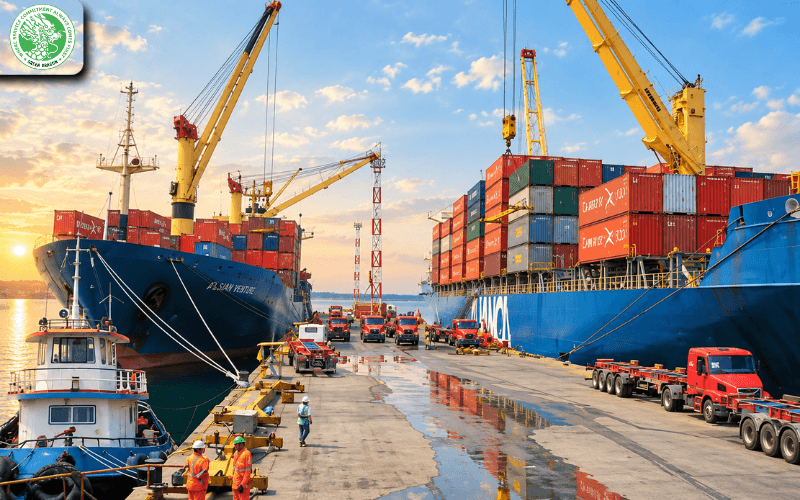
For domestic transportation, businesses need to consider the distance, cargo volume, delivery requirements, and suitable transportation method. For larger shipments or cargo that needs to travel across states, inland road transportation can connect ports and airports with warehouses or final delivery points.
Planning this stage in advance helps businesses avoid unnecessary waiting time and ensures that cargo can continue moving after customs release.
When Does Your Cargo Need Warehousing?
Not every shipment can be delivered immediately after customs clearance. In some cases, businesses may need temporary storage while waiting for a delivery schedule, arranging transportation, consolidating shipments, or preparing goods for distribution.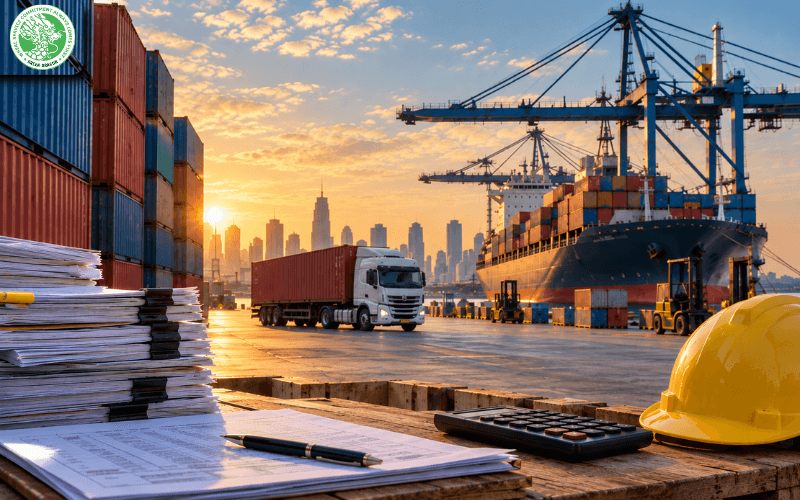
Warehousing can provide a practical solution when the final destination is not ready or when cargo needs to be held for a certain period. Businesses should consider storage capacity, inventory management, handling requirements, and the expected storage duration when choosing a warehousing solution.
A suitable warehouse arrangement can help businesses maintain better control over their inventory while coordinating the next stage of transportation.
How Is Cargo Moved From Arrival to Final Delivery?
After customs clearance, cargo may pass through several stages before reaching its final destination. The process can include customs release, inland transportation, temporary warehousing, shipment consolidation, and final delivery.
Each stage needs to be coordinated carefully because a delay at one point can affect the entire delivery schedule. Businesses should therefore consider the complete logistics flow rather than treating customs, transportation, and warehousing as separate activities.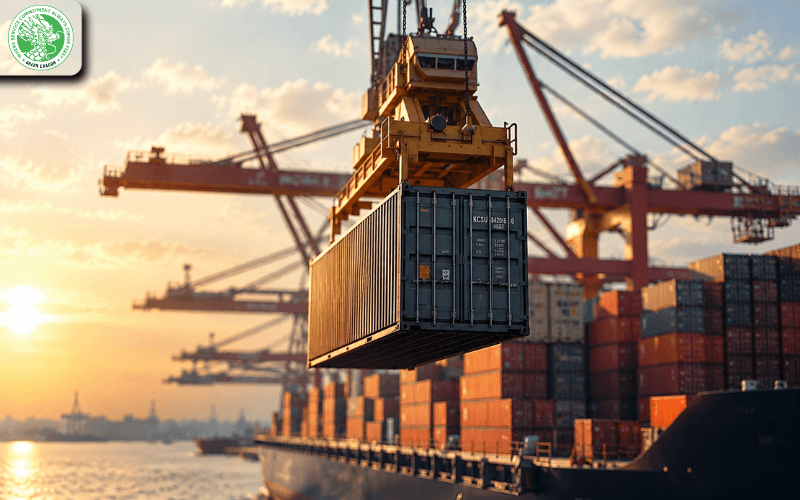
A well-planned process allows businesses to track their cargo more effectively, control logistics costs, and reduce unnecessary handling during domestic transportation.
How Green Dragon Supports Cargo Handling in the U.S.
Green Dragon International Logistics, LLC provides logistics services that support businesses through different stages after their cargo arrives in the U.S. Depending on shipment requirements, the available solutions include:
- Customs Brokerage: Support with customs documentation and clearance procedures.
- Inland Road Transportation: Transportation of cargo from ports or airports to warehouses, distribution centers, or other destinations.
- Warehousing: Storage solutions for businesses that need to hold cargo before the next stage of distribution.
- Freight Forwarding: Coordination of transportation and related logistics activities throughout the shipment process.
By combining these services, businesses can better coordinate cargo handling after arrival and maintain a smoother flow from the point of entry to the final destination.
Conclusion
Cargo arrival in the U.S. is only one stage of the import process. Customs clearance, inland transportation, warehousing, and final delivery all need to be considered to ensure that goods continue moving efficiently.
Understanding these steps in advance allows businesses to prepare the necessary documents, plan transportation, manage storage needs, and reduce potential delays after cargo arrives in the U.S.

Recent Comments