
NEWS
Not Every Customs Entry Is Straightforward — Understanding What Your Shipment Requires Before Arrival
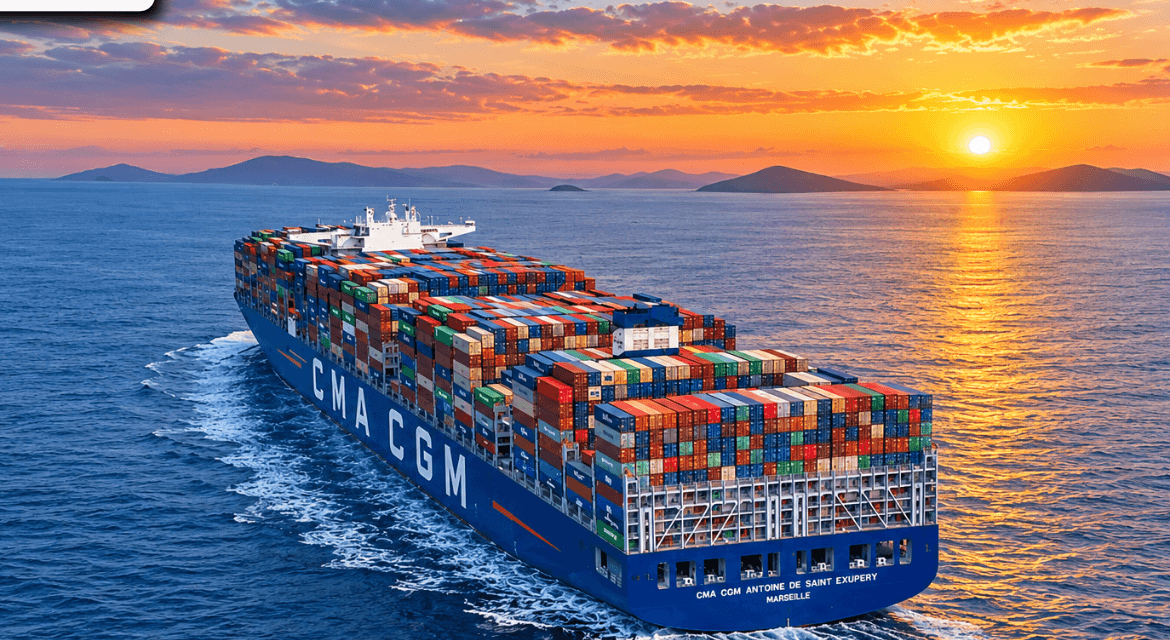
Not every shipment entering the United States follows the same customs clearance process. Depending on the product type, country of origin, declared value, and applicable import regulations, businesses may need to prepare different documents or meet additional requirements before their cargo can be released. Even shipments traveling through the same port may face different procedures depending on their characteristics.
While some shipments follow standard procedures, others may involve additional inspections, regulatory reviews, or supporting documentation from relevant government agencies. If these requirements are not identified early, businesses may encounter unexpected requests or delays after their cargo arrives.
Understanding what a shipment requires before arrival helps businesses prepare the necessary information, coordinate with customs brokers, estimate potential costs, and arrange the next stages of transportation more effectively.
Why Does Every Shipment Have Different Customs Requirements?
Customs requirements vary depending on the nature and characteristics of imported goods. General consumer products may follow relatively standard procedures, while machinery, electronic equipment, food products, chemicals, and specialized goods may require additional permits, certificates, or approval from relevant government agencies. Certain products may also be subject to specific safety standards or import restrictions.
The country of origin, declared value, and product classification also affect customs procedures and applicable duties. For example, an incorrect product description or classification may result in a different duty assessment or require further clarification from customs authorities. In some cases, additional trade regulations may also apply depending on where the goods were manufactured.
Therefore, businesses should not assume that every shipment can follow the same clearance procedure. Identifying product characteristics, reviewing applicable import regulations, and understanding the relevant documentation requirements before arranging transportation can help businesses prepare each shipment more accurately.
What Information Should Be Prepared Before Cargo Arrival?
Preparing accurate shipment information in advance allows customs brokers to review entry requirements and identify potential issues before cargo reaches the United States. Complete documentation also helps ensure that the information submitted to customs authorities reflects the actual shipment and reduces the need for corrections during processing.

Depending on the shipment, businesses may need to provide:
- Commercial Invoice: Information about the goods, declared value, seller, and buyer.
- Packing List: Details about quantity, packaging, weight, and dimensions.
- Bill of Lading or Air Waybill: Transportation documents identifying the shipment and its movement.
- Product Description and Classification: Information used to determine the appropriate HTS classification and applicable duties.
- Country of Origin: Information identifying where the goods were manufactured or produced.
- Additional Permits or Certificates: Documents required for certain regulated products or shipments.
For specialized goods, businesses may also need to provide technical specifications, product materials, model numbers, or intended uses to support accurate classification. It is also important to ensure that product descriptions, quantities, and declared values remain consistent across the documentation. Reviewing these details before departure helps identify missing information early and makes the customs clearance process easier to coordinate.
How Can Businesses Prepare for a More Efficient Customs Clearance Process?
Preparing for customs clearance involves more than collecting basic shipping documents. Businesses should review applicable U.S. import regulations, confirm product classification, and identify whether their goods are subject to specific requirements before arranging international transportation. Taking these steps early allows importers to address potential compliance issues while there is still sufficient time to obtain additional information from suppliers or manufacturers.
Working with an experienced customs broker can also help businesses better understand the procedures applicable to their shipments. Customs brokers can review commercial invoices, packing lists, product descriptions, and other supporting documents to identify missing or inconsistent information. They can also assist with determining applicable customs duties, reviewing entry requirements, and coordinating with relevant parties when additional documentation is necessary.
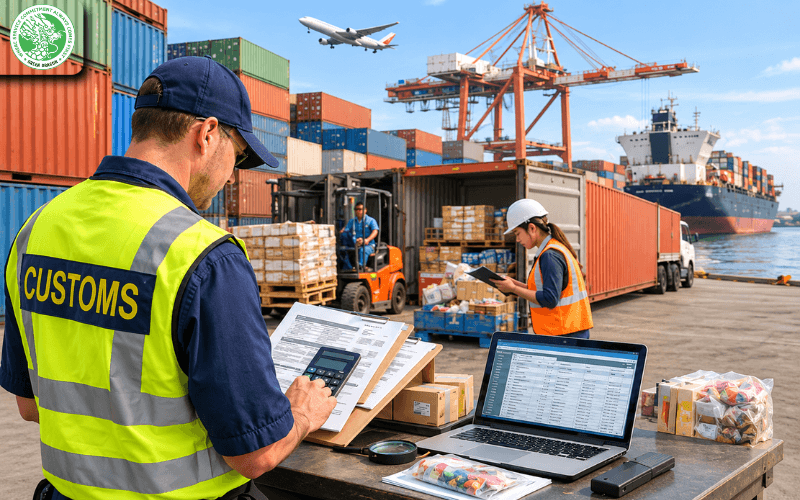
In addition, businesses should maintain clear communication among overseas suppliers, freight forwarders, customs brokers, and receiving warehouses. Changes in product specifications, shipment quantities, declared values, or transportation schedules should be communicated promptly to ensure that all parties work with consistent information. This is particularly important for shipments involving multiple products or suppliers, where documentation and regulatory requirements may differ.
By combining early preparation, professional customs coordination, and accurate shipment information, businesses can reduce avoidable documentation issues and respond more effectively to customs requests. A proactive approach also makes it easier to plan transportation arrangements, manage import-related expenses, and maintain more predictable delivery schedules.
When Can a Shipment Require Additional Customs Review?
Some shipments may receive additional attention due to their product characteristics or applicable import regulations. For example, food products, chemicals, electronic equipment, and specialized machinery may be subject to requirements beyond standard customs documentation. Depending on the goods, importers may need to coordinate with other government agencies or provide additional supporting documents.
Customs authorities may also request further information when product descriptions, declared values, or country-of-origin details need verification. Depending on the circumstances, shipments may undergo document reviews, physical inspections, or additional checks by relevant government agencies. These procedures are intended to verify shipment information and determine whether the goods meet applicable import requirements.
Such reviews can extend clearance time, especially when businesses cannot provide the requested documents promptly. Identifying potential requirements early, preparing supporting information, and maintaining communication with the relevant parties help importers respond more effectively and make suitable adjustments to their transportation and delivery schedules.
What Happens If Customs Requirements Are Not Identified in Advance?
Failing to review import requirements before cargo arrival can lead to missing documents, inaccurate declarations, or additional requests from customs authorities. Businesses may need to revise shipment information, provide technical details, or submit additional certificates before the clearance process can continue. These issues are particularly challenging when the required information must be collected from overseas suppliers or manufacturers.
In some cases, cargo may remain at the port or airport while the necessary issues are being resolved. This can result in additional expenses such as storage charges, demurrage, and other handling costs, depending on the shipment. If the clearance process takes longer than expected, businesses may also need to rearrange transportation bookings or warehouse receiving schedules.
Unexpected customs delays can affect more than just the arrival date of goods. They may disrupt production plans, delay inventory replenishment, and affect customer delivery commitments. Reviewing shipment details before departure helps businesses minimize avoidable errors, prepare the necessary documents, and maintain better control over their import process.
How Green Dragon International Logistics, LLC Supports Your U.S. Customs Clearance Process
Green Dragon International Logistics, LLC provides customs brokerage services to support businesses with import and export procedures in the United States. Understanding that different shipments may involve different documentation and clearance requirements, the company helps customers coordinate customs procedures according to their cargo characteristics and transportation needs.

Depending on business requirements, available logistics solutions include:
Customs Brokerage: Support with customs documentation, declarations, and clearance procedures to help businesses address applicable import requirements.
Ocean Freight and Air Freight: International transportation solutions for different cargo volumes, shipping schedules, and delivery requirements.
Inland Road Transportation: Cargo transportation from ports or airports to warehouses, distribution centers, and final destinations.
Warehousing: Storage solutions for shipments requiring temporary handling before further transportation or distribution.
By coordinating customs brokerage with transportation and warehousing services, Green Dragon International Logistics, LLC helps businesses manage different stages of the import process. This allows companies to consider customs requirements alongside cargo movement, storage arrangements, and delivery schedules rather than handling each logistics activity separately.
Conclusion
Customs clearance in the United States is not always straightforward. Different products may involve different classification rules, documentation requirements, inspections, and regulatory procedures. Without proper preparation, businesses may face unexpected delays and additional expenses after cargo arrival.
Identifying customs requirements in advance allows businesses to prepare accurate documents, anticipate potential challenges, and coordinate transportation more effectively. With customs brokerage, international freight, inland transportation, and warehousing solutions, Green Dragon International Logistics, LLC supports businesses in managing their U.S. import procedures and maintaining a more organized logistics process.
Recent Comments