
NEWS
Container Rates from Shanghai to US West Coast Jump 31% in One Week: A Warning Sign for Global Supply Chains

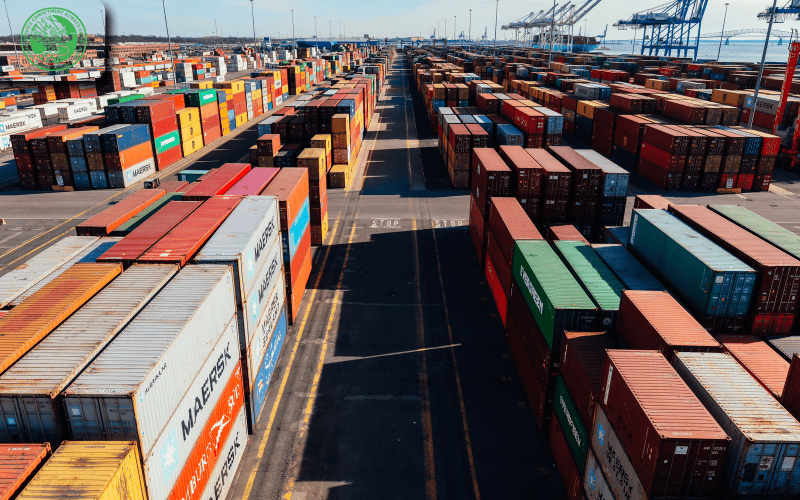
1. Sharp Surge in Container Rates Sends Shockwaves Across the Industry
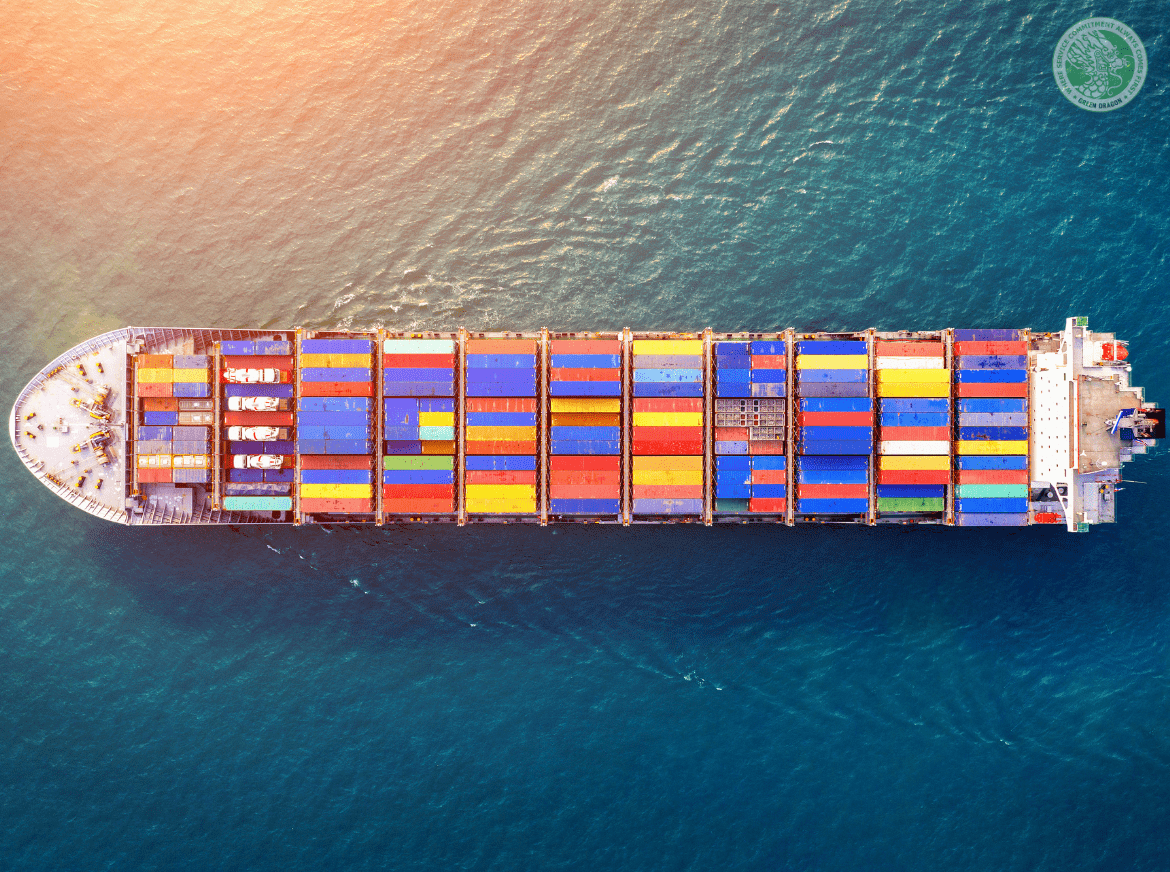
In an unexpected move, container rates from Shanghai to the US West Coast have surged over 31% within just one week, according to recent data released by global shipping indexes and freight marketplaces.
The average rate for a 40-foot container from Shanghai to major West Coast ports like Los Angeles and Long Beach has climbed from approximately $3,200 to over $4,200, marking the largest weekly increase since late 2021—a time when the world was reeling from the aftermath of COVID-19 and a global container shortage.
This sudden spike in freight costs has triggered concerns across the supply chain, as businesses prepare for seasonal inventory restocking and peak shipping volumes heading into the end-of-year retail surge.
2. What’s Driving This Unprecedented Increase in Shipping Costs?
This significant jump in container freight rates is the result of multiple overlapping factors—economic, operational, and geopolitical.
2.1 Surging Demand for Imports into North America
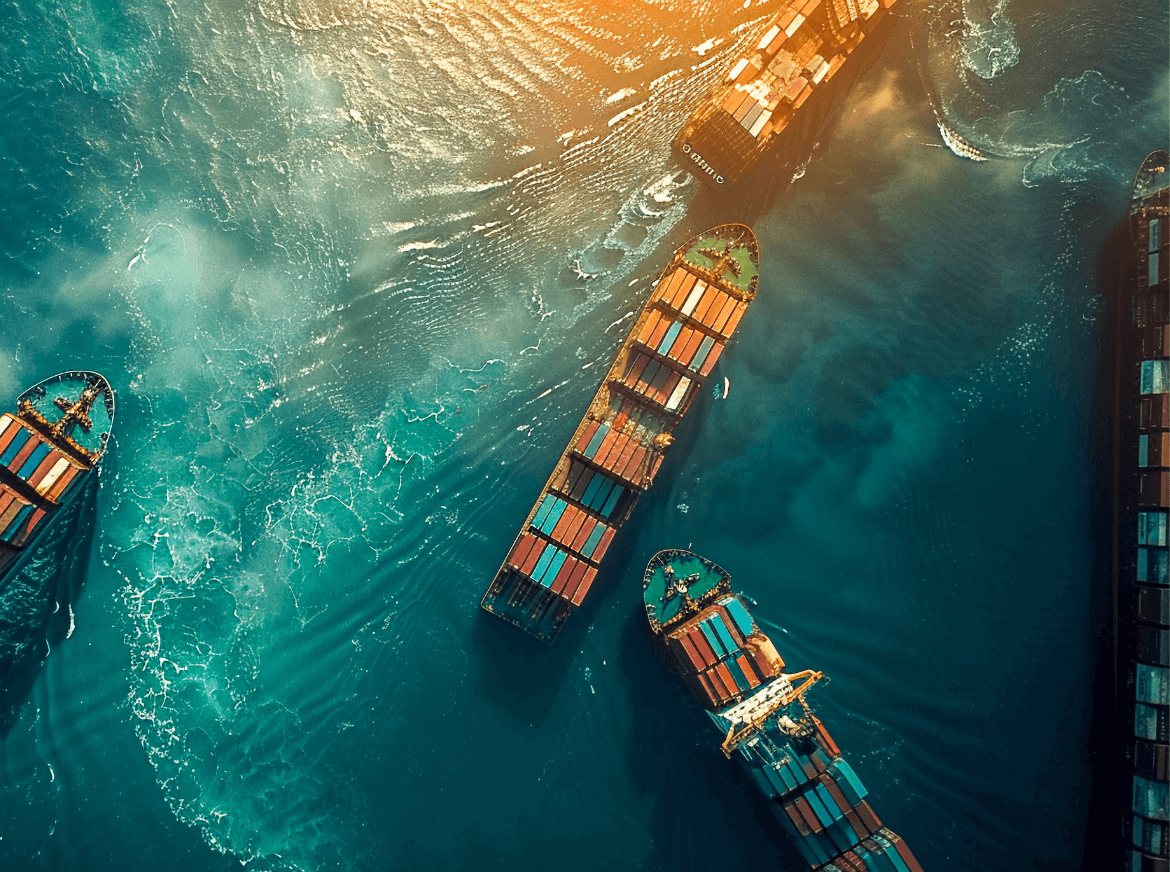
As retailers and distributors across the US gear up for the holiday shopping season, there has been a sudden spike in cargo bookings from Asia. This includes a wide variety of products: electronics, household goods, fashion, and raw materials. The surge in demand has overwhelmed vessel capacity, particularly on the Trans-Pacific trade lane.
2.2 Severe Container Shortages in China
Persistent imbalances in empty container availability have worsened. With container turnarounds slowing and not enough empties being returned to China in time, exporters are facing delays and higher freight booking premiums.
2.3 Port Congestion in the US Still Lingers
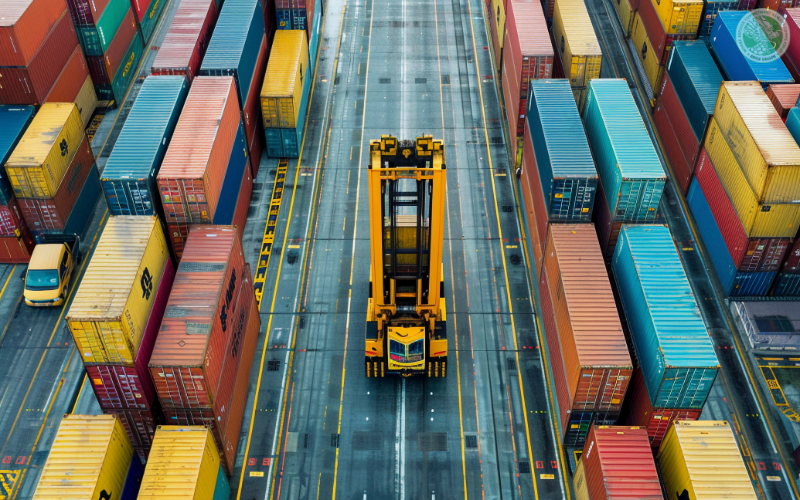
While conditions at major US ports have improved since 2022, congestion at terminals like Los Angeles, Oakland, and Long Beach continues to cause bottlenecks due to labor shortages, equipment constraints, and warehouse overflow.
These issues have limited the throughput capacity, creating a backlog that affects vessels returning to Asia.
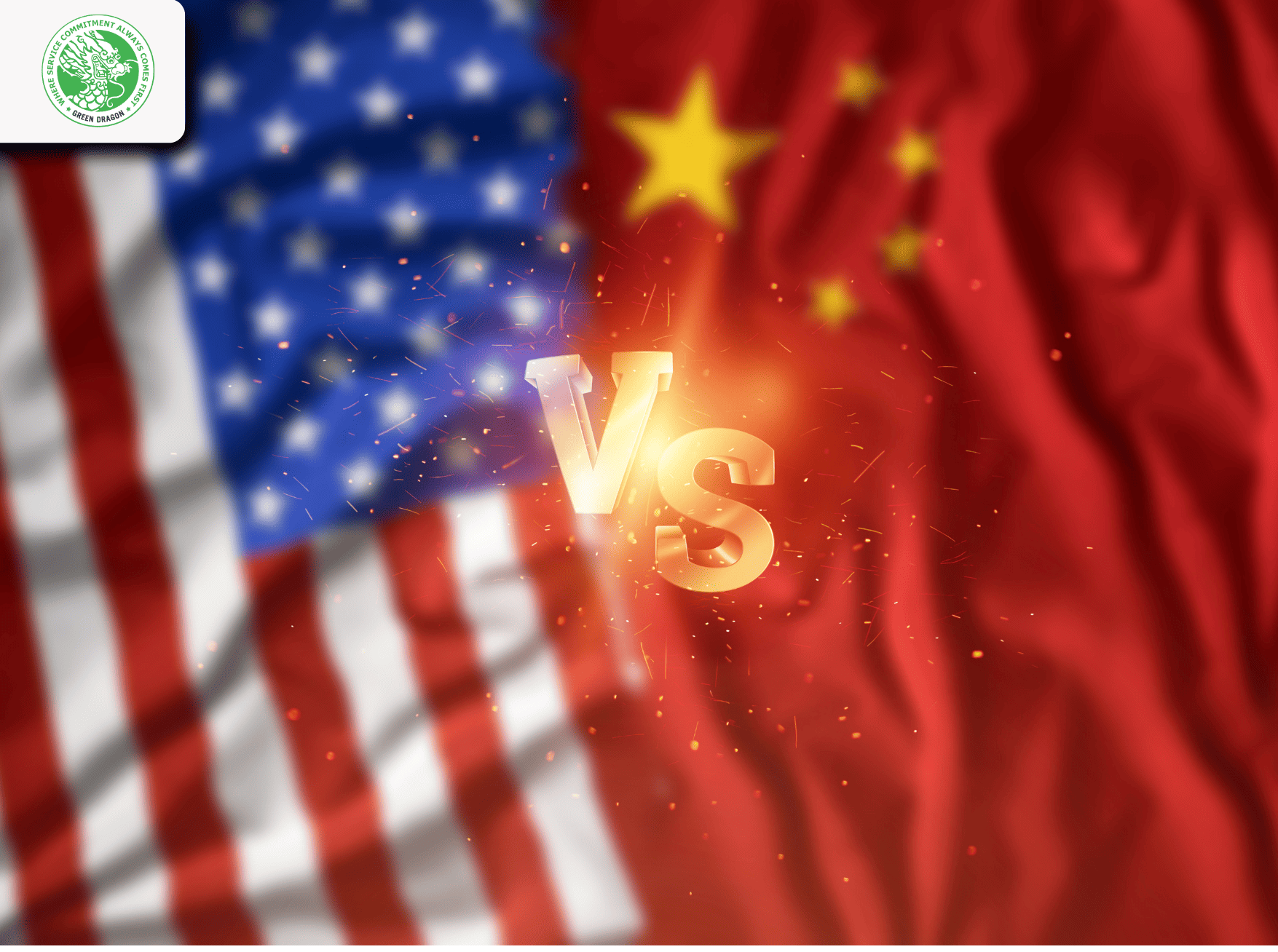
2.4 Trade Policy Uncertainty Between the US and China
With ongoing US-China tariff tensions, many importers are accelerating shipments in anticipation of further regulatory restrictions. This has led to an artificial spike in short-term demand, pushing freight costs up sharply in a short timeframe.
3. How Businesses Are Being Impacted
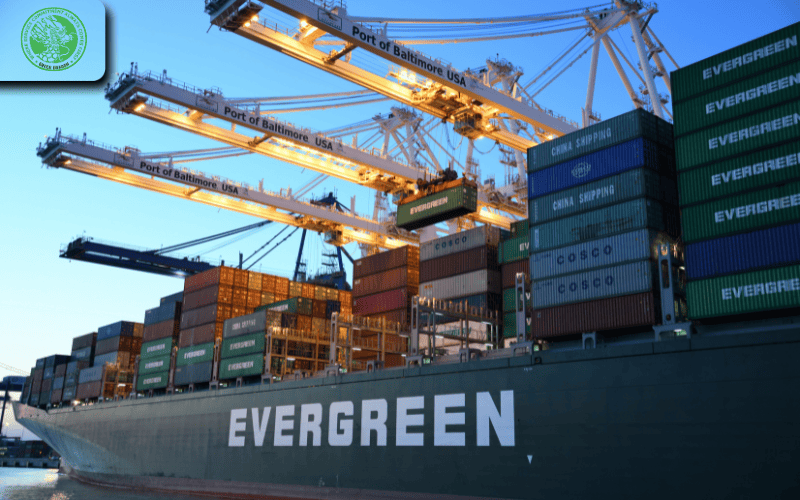
The 30%+ increase in container rates within such a short time span is placing real pressure on businesses relying on predictable shipping costs and delivery timelines.
3.1 Profit Margins Are Shrinking
For companies importing large volumes from China or Southeast Asia, the surge in logistics costs is significantly increasing the landed cost per unit. This is particularly critical in industries with thin margins such as electronics, textiles, and household goods.
3.2 Order Fulfillment Timelines Are Disrupted
Many buyers have already negotiated purchase orders and delivery schedules months in advance. A sudden hike in freight rates threatens not only cost expectations but also delivery deadlines, damaging supplier relationships.
3.3 Increased Risk of Missing Peak Season Delivery
Without proactive planning, companies risk missing container space availability for shipments required during Black Friday, Christmas, and Lunar New Year. Delays can have a domino effect on inventory flow and revenue forecasting.
4. Broader Implications for the Global Supply Chain
The ripple effect of this rate spike from Shanghai to the US West Coast is beginning to impact other lanes and regions.
- Asia to Europe routes are now also seeing moderate price increases as vessel allocation shifts toward the more profitable Pacific trade.
- Exporters in Vietnam, India, and Malaysia are facing challenges as carriers prioritize capacity for Shanghai–US services.
- Domestic US transportation (drayage and trucking) is experiencing higher demand as more containers flood into West Coast ports.
5. What Should Importers and Exporters Do Now?
As container shipping prices fluctuate rapidly, businesses must adopt more agile and proactive logistics strategies to minimize risk:
- Monitor freight rate trends daily or weekly through reliable sources and logistics partners.
- Book space as early as possible, especially for high-priority shipments.
- Consider alternative routing strategies such as transshipment through Vietnam or Mexico to reduce cost or avoid bottlenecks.
- Break down large shipments into smaller, flexible volumes to reduce dependency on a single carrier or route.
- Negotiate new terms with buyers or suppliers to include shared risk for sudden logistics cost surges.
6. How Green Dragon International Logistics Can Help
With operational hubs in the United States and a strong presence in Asia, Green Dragon International Logistics, LLC is uniquely positioned to help companies navigate market volatility in international shipping.
We offer:
- Real-time access to current container rates from leading carriers across Trans-Pacific routes.
- Customized route planning and freight strategy based on cargo type, delivery timelines, and budget.
- US-based cargo consolidation and handling, including pickup from multiple suppliers and preparation for FCL or LCL export.
- Expert guidance on transshipment and routing via third countries to reduce costs or mitigate regulatory challenges.
- Transparent shipment tracking and bilingual (English–Vietnamese) support throughout the process.
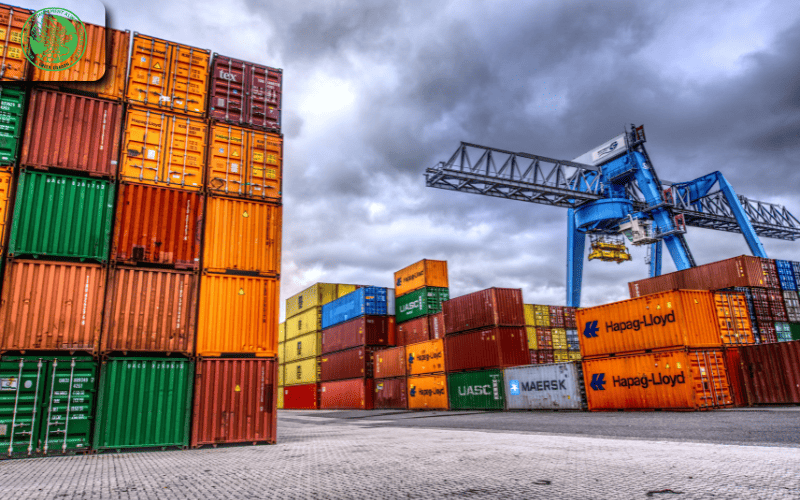
The recent 31% increase in container rates from Shanghai to the US West Coast is a stark reminder of the fragility of global supply chains.
For businesses dependent on consistent ocean freight pricing and capacity, this is a critical time to review logistics strategies, secure carrier space early, and build strong partnerships with forwarders who can provide visibility and flexibility.
At Green Dragon, we are committed to helping our clients manage rising logistics costs and maintain resilient cross-border operations, no matter how volatile the market becomes.








Recent Comments