
NEWS
US-Iran Deal Sets Friday, June 19 Reopening for the Strait of Hormuz
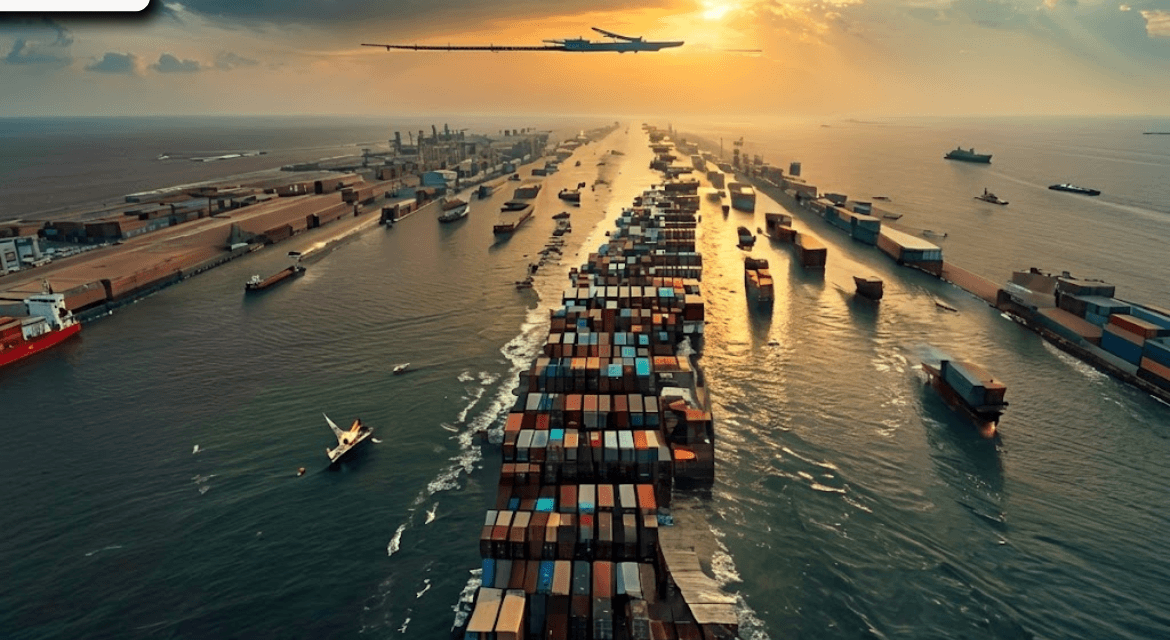
The global shipping industry is closely monitoring recent developments in the Middle East as reports indicate that the United States and Iran have reached an agreement that will allow the Strait of Hormuz to reopen on Friday, June 19.
As one of the world’s most strategically important maritime corridors, the reopening of the Strait of Hormuz could help ease concerns surrounding supply chain disruptions, shipping delays, and rising transportation costs that have affected international trade in recent months.
For importers and exporters, the development is viewed as a positive signal that may support greater stability across global logistics networks and international shipping operations.
How Does the Reopening of the Strait of Hormuz Impact the Logistics Industry?
The Strait of Hormuz serves as a critical gateway connecting the Persian Gulf to global markets. A significant percentage of the world’s oil and energy shipments pass through this corridor every day.
During periods of heightened geopolitical tension, disruptions in the region have created challenges for shipping companies, including:
- Increased freight market uncertainty
- Higher fuel-related transportation costs
- Additional security and risk surcharges
- Vessel rerouting and schedule disruptions
- Pressure on global supply chains
The planned reopening of the Strait of Hormuz is expected to improve maritime traffic flow and help restore confidence across international shipping markets.
As the situation continues to evolve, logistics providers and businesses worldwide will be monitoring the impact on freight rates, carrier operations, and global trade routes.
What Should Import & Export Businesses Do?
While the reopening is considered a positive development, businesses should continue taking a proactive approach toward logistics planning.
Monitor Global Logistics Developments
Geopolitical events can quickly influence transportation costs and shipping schedules. Staying informed allows businesses to make timely decisions and minimize operational risks.
Maintain Flexible Transportation Strategies
Companies should avoid relying solely on a single transportation route or logistics plan. Having alternative routing options can help reduce exposure to unexpected market disruptions.
Work with Experienced International Logistics Providers
Partnering with an experienced logistics company helps businesses receive timely updates, market insights, and transportation solutions when international conditions change.
Green Dragon International Logistics Supports Businesses Through Market Changes
As global logistics conditions continue to shift, Green Dragon International Logistics, LLC closely monitors major developments that may affect international transportation and supply chain operations.
With extensive experience in global logistics, Green Dragon International Logistics provides a wide range of services, including:
- Ocean Freight
- Air Freight
- Customs Brokerage
- Inland Transportation
- Warehouse Services
- Freight Forwarding
The team at Green Dragon International Logistics continuously tracks global market developments, carrier updates, and shipping conditions to help customers optimize transportation plans, manage logistics costs, and maintain supply chain efficiency.
In particular, Green Dragon International Logistics supports import and export businesses moving cargo between Vietnam, the United States, Cambodia, and other international markets with flexible logistics solutions tailored to changing business needs.
Conclusion
The planned reopening of the Strait of Hormuz on June 19 represents a significant development for the global shipping industry and international supply chains.
Although market conditions remain subject to change, improved access through one of the world’s most important maritime corridors could help reduce logistics uncertainty and support more stable transportation operations worldwide.
With proactive logistics planning and the support of experienced transportation partners, businesses can better navigate market developments and maintain resilient global supply chains.





Recent Comments