
NEWS
China Introduces New Port Fees: Global Shipping Faces Rising Costs
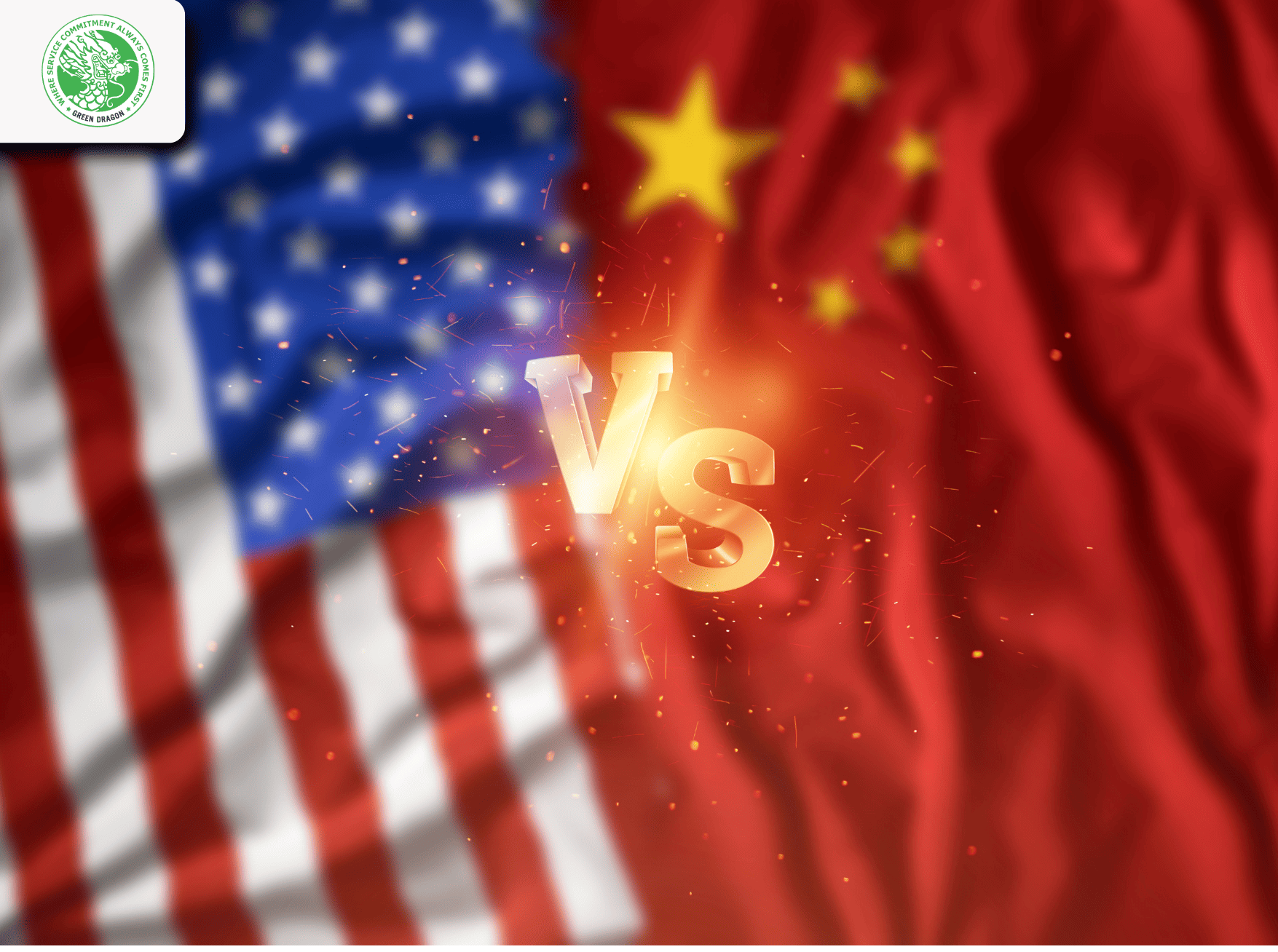
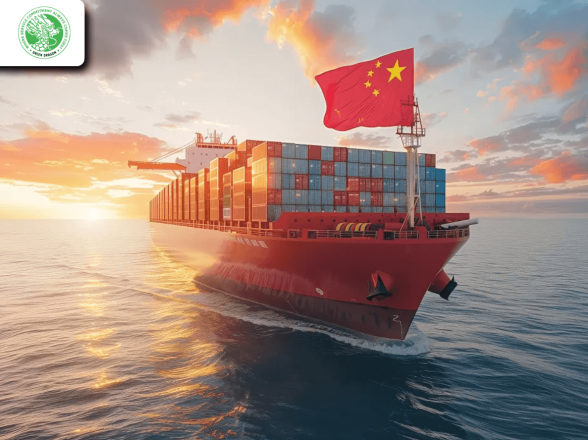
In a move that has caught the attention of the global logistics community, China has officially introduced new port fees that are set to impact both import and export cargo passing through major Chinese ports. The decision, effective this month, aims to enhance port efficiency and strengthen regulatory oversight, but it also raises concerns about rising operational costs for international shippers.
Overview of the New Port Fee Policy
According to the new regulation, all vessels calling at Chinese ports—whether domestic or foreign—are now subject to adjusted terminal handling charges (THC), security fees, and port construction surcharges. The Ministry of Transport of China stated that these changes are designed to modernize infrastructure and align with international port standards.
However, logistics experts note that the fee adjustments could lead to increased shipping costs for global traders, particularly those dependent on Chinese export hubs such as Shanghai, Shenzhen, and Ningbo.
Impact on Global Supply Chains
The new port fees are expected to ripple through global supply chains. For many companies operating in Asia, China remains a critical gateway for raw materials, semi-finished products, and exports to Western markets.
With higher fees, freight forwarders and carriers may pass the additional costs down the chain, potentially increasing the landed cost of goods in Europe and North America.
“Even a small percentage increase in port handling charges can translate into millions of dollars in added expenses annually,” said a senior logistics analyst at Green Dragon International Logistics, LLC, a U.S.-based logistics company specializing in cross-border supply chain optimization. “For businesses already operating with thin margins, this could accelerate the shift toward alternative shipping routes and diversified sourcing locations.”

Reactions from the Shipping Industry
Reactions from shipping lines and freight forwarders have been mixed. While some acknowledge the need for modernization, others argue that the timing of the implementation—amid global trade uncertainty and softening demand—could hinder recovery in the container shipping market.
Several European and American trade associations have already voiced their concerns. The International Federation of Freight Forwarders Associations (FIATA) urged Chinese authorities to provide greater transparency regarding how the fees are calculated and how the additional revenue will be used.
Meanwhile, port operators in Southeast Asia—such as Singapore, Vietnam, and Malaysia—see this as a potential competitive opportunity. They are positioning themselves as cost-efficient alternatives for cargo previously transiting through Chinese ports.
Economic and Political Context
This new policy comes at a time when China’s export growth is slowing, and the country faces pressure from Western governments over trade imbalances and supply chain dependencies. Some analysts believe the new fees could be part of a broader strategy to boost domestic port revenues and support local operators affected by reduced global freight volumes.
At the same time, the move may also be a response to rising operational costs within China itself—such as increased labor wages, stricter environmental standards, and energy prices.
Nonetheless, the timing of the implementation has raised eyebrows. Many businesses are still recovering from the COVID-era disruptions and the Red Sea route crisis, which caused significant congestion and cost escalation in 2024.
Possible Shifts in Trade Routes
As a result of these fee changes, logistics professionals are forecasting a gradual realignment of trade routes. Companies involved in intra-Asia trade or U.S. imports may start exploring alternative transshipment hubs such as Port Klang (Malaysia), Laem Chabang (Thailand), or Ho Chi Minh City (Vietnam).
“We’re already seeing increased inquiries from clients looking to reroute shipments through Vietnam,” noted a Green Dragon International Logistics, LLC representative. “With competitive logistics infrastructure and free trade agreements in place, Vietnam could benefit significantly from China’s fee policy.”
This shift aligns with the broader trend of supply chain diversification—a movement that gained traction after the U.S.–China trade tensions and continues as companies pursue the China Plus One strategy.
Impact on U.S. and European Importers
For importers in the United States and Europe, the implications are multifaceted. Increased port handling fees in China could lead to higher freight rates, while also prompting some importers to consider direct sourcing from Southeast Asian countries.
Additionally, U.S. policymakers have been monitoring the issue closely, given ongoing discussions about trade balance and shipping dependencies. The Federal Maritime Commission (FMC) has not issued an official statement yet, but some American importers are advocating for domestic port incentives to reduce reliance on Chinese gateways.
How Green Dragon and Other Logistics Companies Are Responding
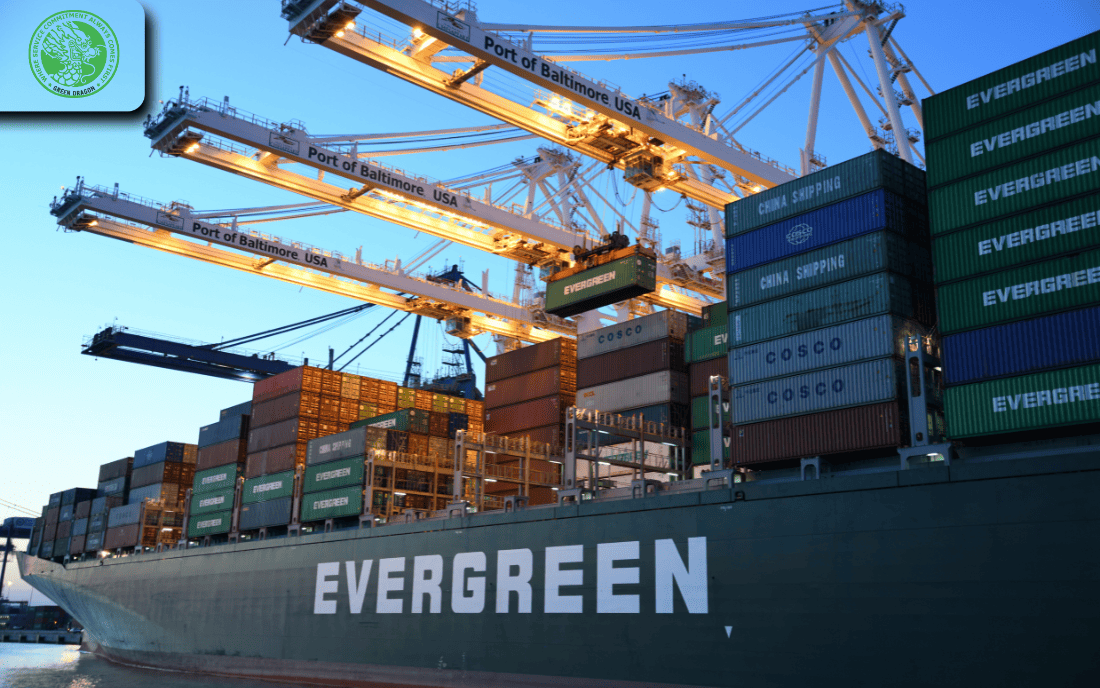
Major global freight forwarders, including Kuehne+Nagel, DHL Global Forwarding, and Green Dragon International Logistics, LLC, are already adjusting their pricing models and consulting clients on cost mitigation strategies.
Green Dragon, with a strong network in the United States, Vietnam, and Cambodia, has been actively supporting clients by providing:
- Fulfillment services in the U.S., helping e-commerce sellers consolidate shipments before export.
- Cross-border customs solutions for goods transiting between Vietnam and China.
- Alternative routing plans leveraging Green Dragon’s presence across Southeast Asia to reduce exposure to high-fee ports.
“Our role is to help clients stay competitive,” said Green Dragon’s Operations Director. “By combining data-driven planning and multi-country warehousing solutions, we ensure that businesses can adapt to changes like these without major cost shocks.”
Digitalization also plays a key role in Green Dragon’s approach. The company leverages AI-powered visibility platforms, real-time cost analytics, and automated route optimization tools to simulate financial impacts and identify the most efficient shipping options.
Looking Ahead: What to Expect in 2026
Industry experts expect a gradual adjustment period as businesses absorb the increased costs. Over time, this policy could lead to a more balanced regional logistics landscape, where neighboring countries strengthen their port competitiveness and attract greater foreign investment in infrastructure.
Nonetheless, the short-term effect will likely be an increase in freight costs and potential delays as carriers adapt their schedules. For shippers, the key will be to remain flexible and maintain transparent communication with logistics partners to ensure supply chain stability.
Conclusion
The introduction of China’s new port fees marks another significant shift in the global maritime landscape. While it may enhance operational efficiency and infrastructure funding, the policy also underscores the fragility of the global supply chain—where even small regulatory changes in major trade nations can have far-reaching consequences.
As logistics stakeholders continue to evaluate their strategies, Green Dragon International Logistics, LLC reinforces its commitment to helping clients navigate this evolving environment with cost-effective, data-driven, and regionally integrated logistics solutions.







Recent Comments