
NEWS
Trump Takes a Tough Stance on International Trade: Who Will Bear the Brunt?
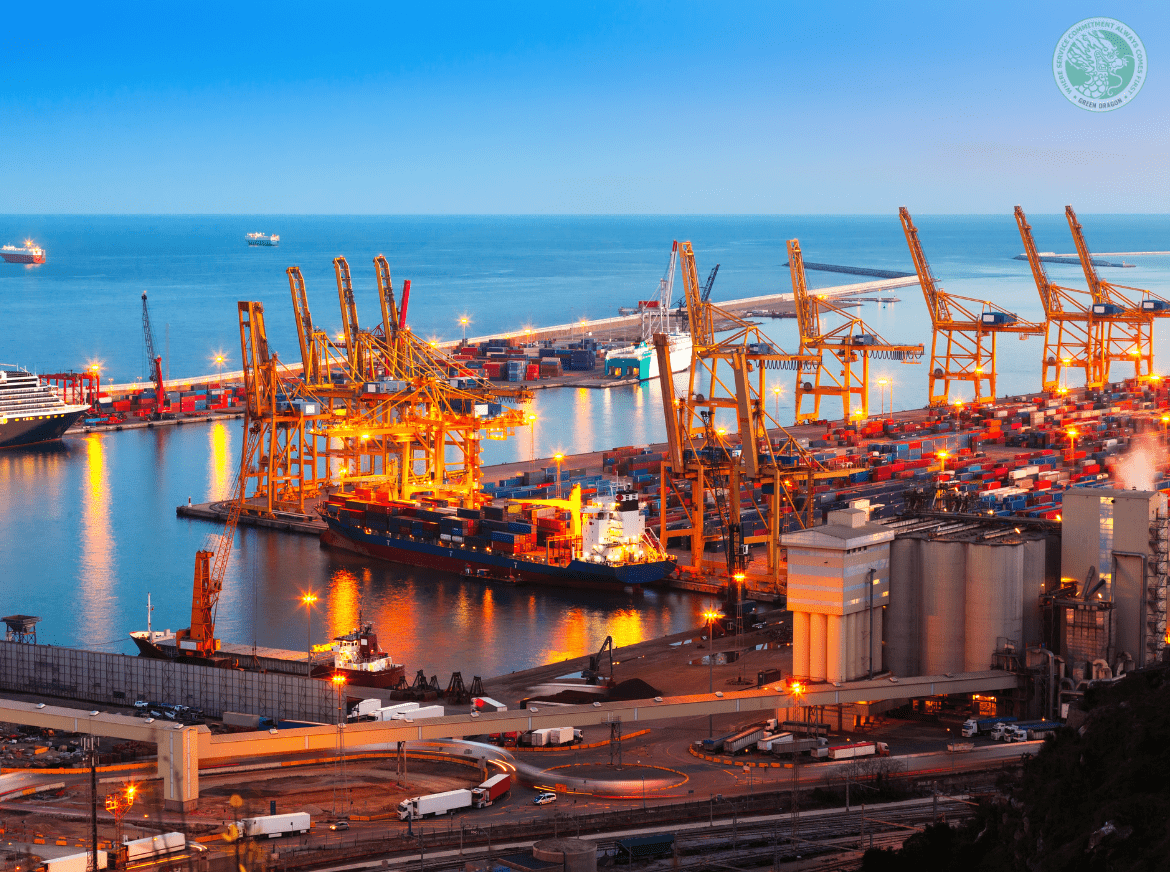
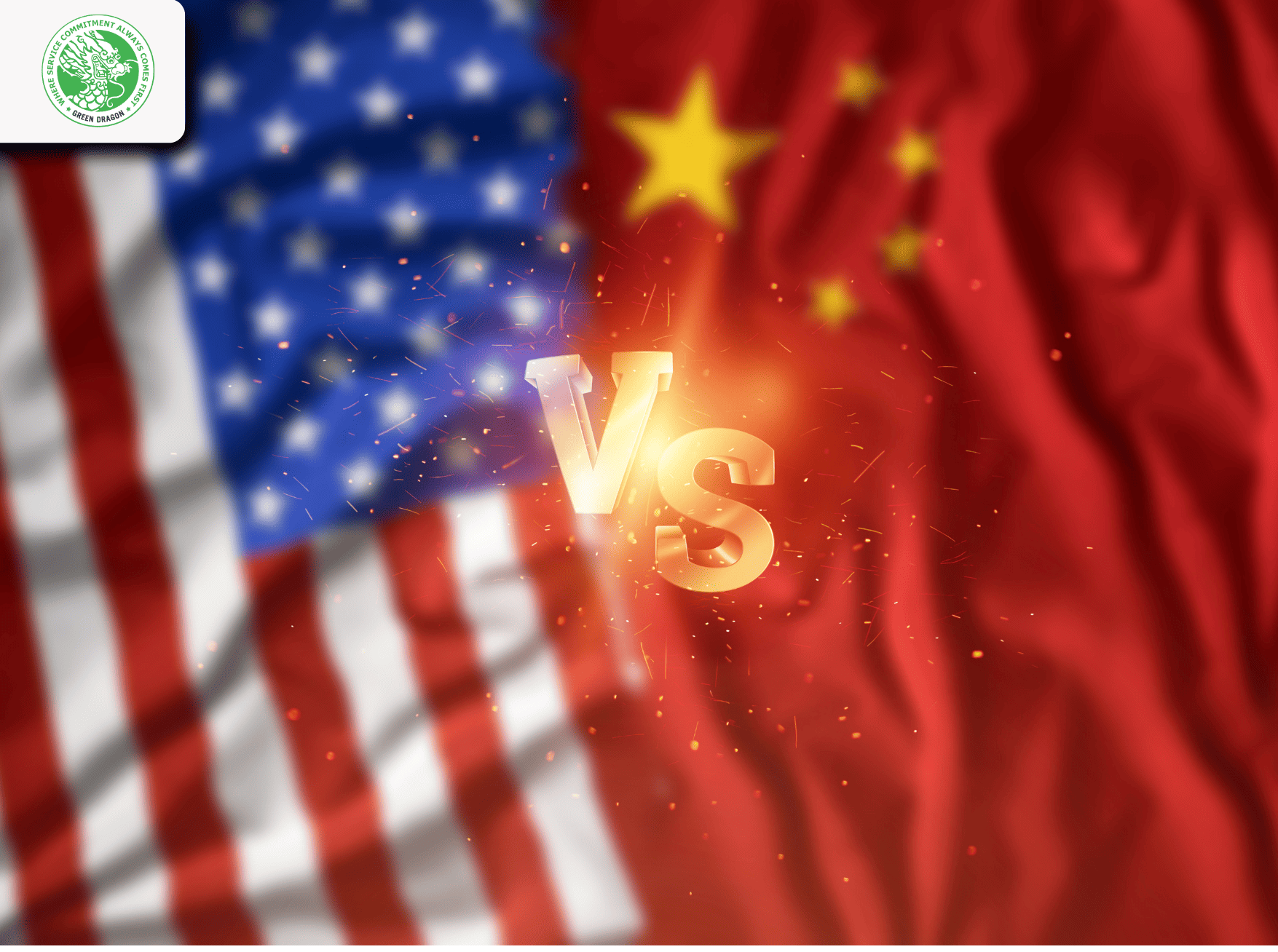
The era of former President Donald Trump witnessed significant changes in international trade policy. With a hardline approach, Trump imposed higher tariffs, particularly on China, and renegotiated many trade agreements to protect American interests. This is seen as a crucial step in his trade strategy to safeguard the U.S. economy and create more jobs for American citizens. However, this policy not only has global implications but also raises the question: Who will suffer the most from these measures?
Trump’s Trade Vision
Trump pursued an “America First” policy, emphasizing the reduction of trade deficits and bringing manufacturing jobs back to the U.S. Notable measures include:
On China
Trump imposed tariffs on $500 billion worth of imported goods, targeting technology products and consumer goods. This tariff level reduced Chinese exports to the U.S. by 78%.
On Mexico and Canada
Tariffs on steel and aluminum were set at 25% and 10%, respectively, affecting a significant portion of the industrial supply chain among the three countries under the USMCA (formerly NAFTA).
Reasons for Increasing Import Tariffs
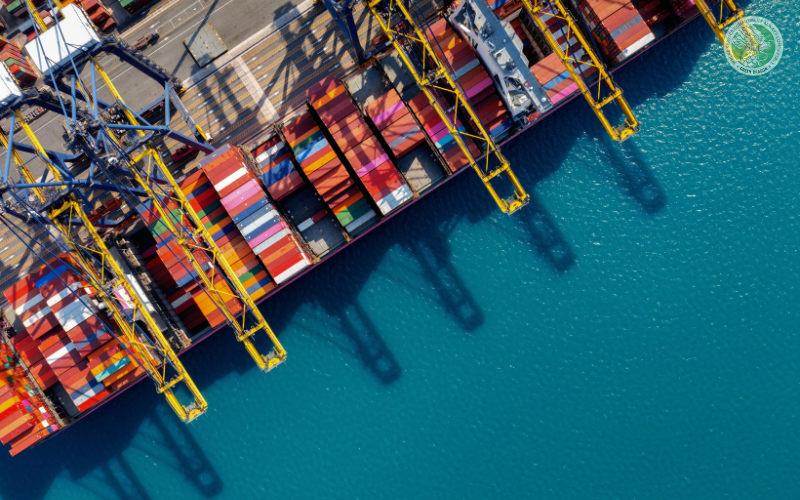
According to Trump, increasing import tariffs will help mitigate the trade deficit that the U.S. is facing. He argued that countries like China have exploited U.S. trade policies for years, causing American businesses to struggle to compete in the international market. He emphasized, “We need to protect our jobs and industries from unfair competition.”
Economic Impacts
Increasing import tariffs can lead to various consequences for the U.S. economy. On one hand, this may encourage domestic production and create more job opportunities. On the other hand, it could also raise the prices of goods for consumers, as businesses have to bear higher costs from import tariffs.
Expert Opinions
Many economists have expressed mixed views on this decision. According to a study by the National Bureau of Economic Research, increasing import tariffs may improve the financial situation of some industries but could also have negative impacts on consumers and the overall economy.
Trump’s declaration to significantly raise import tariffs on China, Mexico, and Canada is not merely a political decision; it also reflects the challenges that the U.S. economy is currently facing. The coming time will be crucial to monitor the impacts of this policy on the market and consumers.
Conclusion
Trump’s tariff measures have provided benefits to certain industries in the U.S. but have also caused negative ripple effects on global trade. China, Mexico, and Canada, despite suffering losses, quickly adapted by diversifying their markets. However, this policy has increased production and consumer costs, putting significant pressure on the U.S. economy and consumers.






Recent Comments