
NEWS
Key container lines have pulled most ships from Middle East Gulf
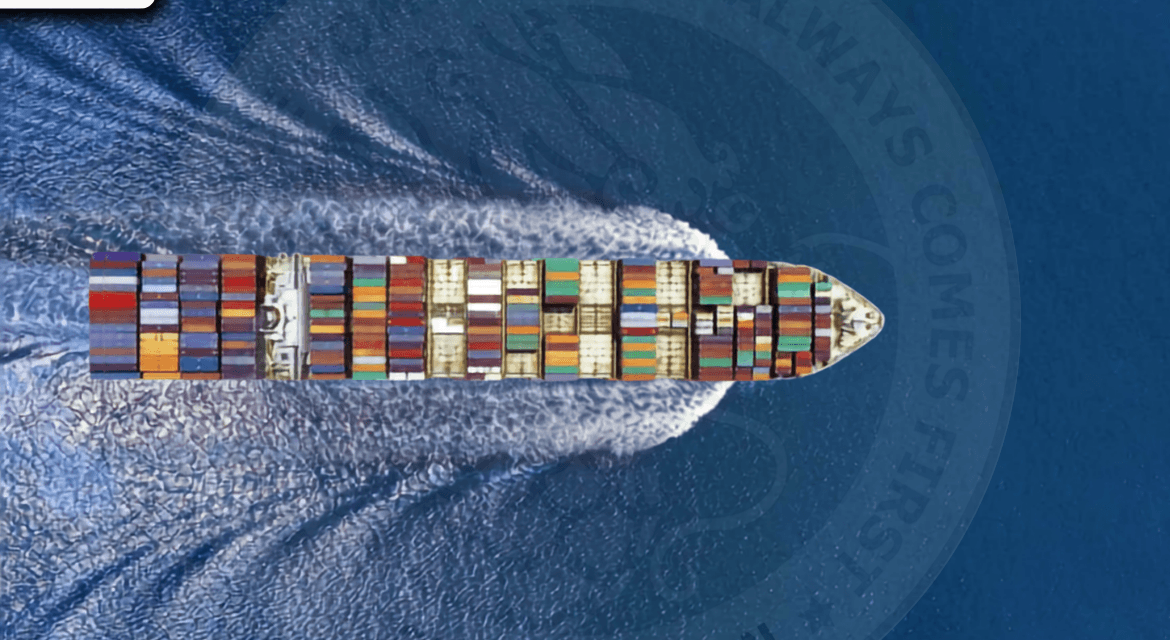
Major container shipping lines have significantly reduced the number of vessels operating in the Middle East Gulf following recent geopolitical tensions and the gradual reopening of the Strait of Hormuz. While shipping activity has begun to recover, many carriers continue to adopt cautious operating strategies due to ongoing security concerns in the region.
As one of the world’s most strategic maritime regions, the Middle East Gulf and the Strait of Hormuz are critical gateways for international trade and energy transportation. Any disruption or operational adjustment in this region can directly impact shipping capacity, transit schedules, freight costs, and global supply chains.
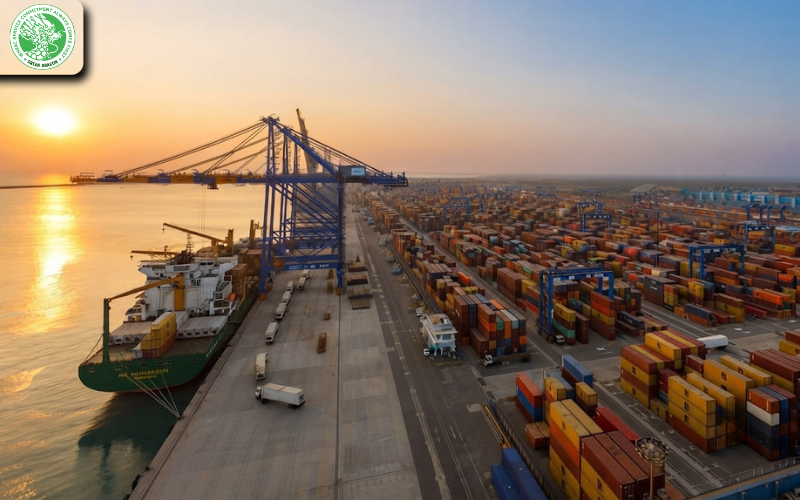
How Could This Situation Impact Global Shipping?
According to the latest market updates, many leading container carriers have successfully repositioned most of their vessels outside the Middle East Gulf, although a number of ships remain in the region as operations gradually normalize. Shipping companies continue to closely monitor regional security conditions before fully restoring regular services.
Potential impacts include:
- Changes to vessel deployment and shipping schedules
- Possible delays on selected trade routes
- Continued pressure on ocean freight rates
- Capacity adjustments by major shipping lines
- Ongoing uncertainty for global supply chain planning
Although vessel movements have improved following the partial reopening of the Strait of Hormuz, logistics providers and cargo owners should remain prepared for further operational adjustments if regional conditions change.
What Should Importers & Exporters Do?
Monitor Shipping Market Developments
Carrier schedules, vessel deployment, and freight market conditions may continue to evolve. Businesses should stay informed to make timely logistics decisions.
Review Transportation Plans
Companies should evaluate shipment schedules and transportation budgets to minimize the impact of potential delays or operational changes.
Build Flexible Supply Chain Strategies
Maintaining flexible logistics plans and considering alternative routing options can help reduce supply chain disruptions.
Partner with Experienced Logistics Providers
Working with experienced logistics partners enables businesses to respond quickly to market changes while optimizing transportation costs and transit efficiency.
Green Dragon International Logistics, LLC Supports Businesses Through Market Changes
As global shipping conditions continue to evolve, Green Dragon International Logistics, LLC closely monitors developments affecting international transportation networks and global supply chains.
Our comprehensive logistics solutions include:
- Ocean Freight
- Air Freight
- Customs Brokerage
- Inland Transportation
- Warehouse Services
- Freight Forwarding
Our logistics specialists continuously monitor carrier announcements, regional developments, and international freight market trends to help customers optimize transportation plans, manage logistics costs, and maintain supply chain efficiency.
Green Dragon International Logistics, LLC supports cargo movement between Vietnam, the United States, Cambodia, and other global markets through flexible and customized logistics solutions.
Conclusion
The recent repositioning of container vessels outside the Middle East Gulf demonstrates how geopolitical developments continue to influence international shipping operations. As global supply chains remain sensitive to regional disruptions, businesses should stay proactive in managing transportation strategies and logistics planning.
With comprehensive logistics expertise and a global transportation network, Green Dragon International Logistics, LLC remains committed to helping businesses navigate market changes while maintaining efficient, reliable, and cost-effective cargo movement.









Recent Comments