
NEWS
TRUMP THREATENS TO IMPOSE ADDITIONAL TARIFFS ON CHINA IF RETALIATORY TARIFFS ARE NOT WITHDRAWN
Escalating U.S.-China Trade Tensions Shake Global Markets
The trade tensions between the United States and China continue to intensify, with the world’s two largest economies still unable to reach common ground on critical issues such as tariffs, supply chains, and technology policies. Recently, strong remarks from the U.S. side—especially from former President Donald Trump regarding additional tariffs on Chinese imports—have reignited fears of a potential new phase in the U.S.-China trade war. This situation has been unsettling the global financial market, significantly impacting the logistics, import-export, and trade flows worldwide.
The U.S.-China Trade War Never Truly Cooled Down
The U.S.-China trade war has been marked by ongoing complexity and a clear trend of escalation. It began with tariff disputes in 2018, leading to multiple rounds of negotiations, tax impositions, and mutual restrictions. Despite some periods of relative calm, strategic competition in areas such as technology, supply chains, and manufacturing continues to sustain bilateral tensions.
Firm Stance from the U.S.
In a recent statement, President Donald Trump warned China of imposing an additional 50% tariff on all goods entering the U.S. if China does not revoke its retaliatory measures. This move came after China announced a 34% additional import tax on American goods in response to U.S. tariff policies.
Trump’s decision has significantly escalated the trade tensions between the two powers, reaffirming his “America First” stance while also sparking concern over a renewed U.S.-China trade war.
Global Response: Financial Markets Tremble
Many countries and major economic organizations have expressed deep concern about the risk of reigniting a full-scale trade war between the world’s top two economies. Global financial markets wavered following the announcements, particularly in sectors involving logistics, manufacturing, and consumer goods. Institutions like the IMF and WTO have repeatedly warned that leveraging tariffs as a pressure tactic only heightens global uncertainty and hampers the growth of the global economy.
Significant Impacts on Consumers and Businesses
Are Consumers Facing Higher Prices?
One of the most immediate and noticeable effects of increased tariffs is the sharp rise in the cost of imported goods. Essential goods could see price hikes ranging from 15% to 30%, depending on the category and reliance on Chinese supply.
Given that inflation in the U.S. remains only partially under control, these tariff increases could reduce consumer purchasing power and negatively affect the retail sector and household spending—both of which are key pillars of the U.S. economy.
U.S. Businesses Under Pressure from Supply Chains and Production Costs
Numerous American businesses—especially in the fields of components, technology, fashion, and fast-moving consumer goods—rely heavily on imports from China for raw materials, parts, or finished goods. The imposition of up to 104% in tariffs could severely disrupt their operations by increasing import costs, adding supply chain risks, and weakening investor confidence.
Greater Risks for Small and Startup Enterprises
Unlike large corporations that can renegotiate contracts or shift their supply chains, small and medium enterprises (SMEs) are especially vulnerable. They face challenges in finding alternative suppliers quickly and lack the financial resources to absorb the new tariffs, potentially leading to market exit, bankruptcy, or forced mergers.
Strategic Responses: What Should Businesses Do?
If both sides maintain firm economic stances, the U.S.-China trade war is likely to persist. Businesses must review their operations carefully to remain resilient in an uncertain global market:
- Reevaluate the supply chain – Diversify sourcing strategies to avoid overdependence on any single supplier.
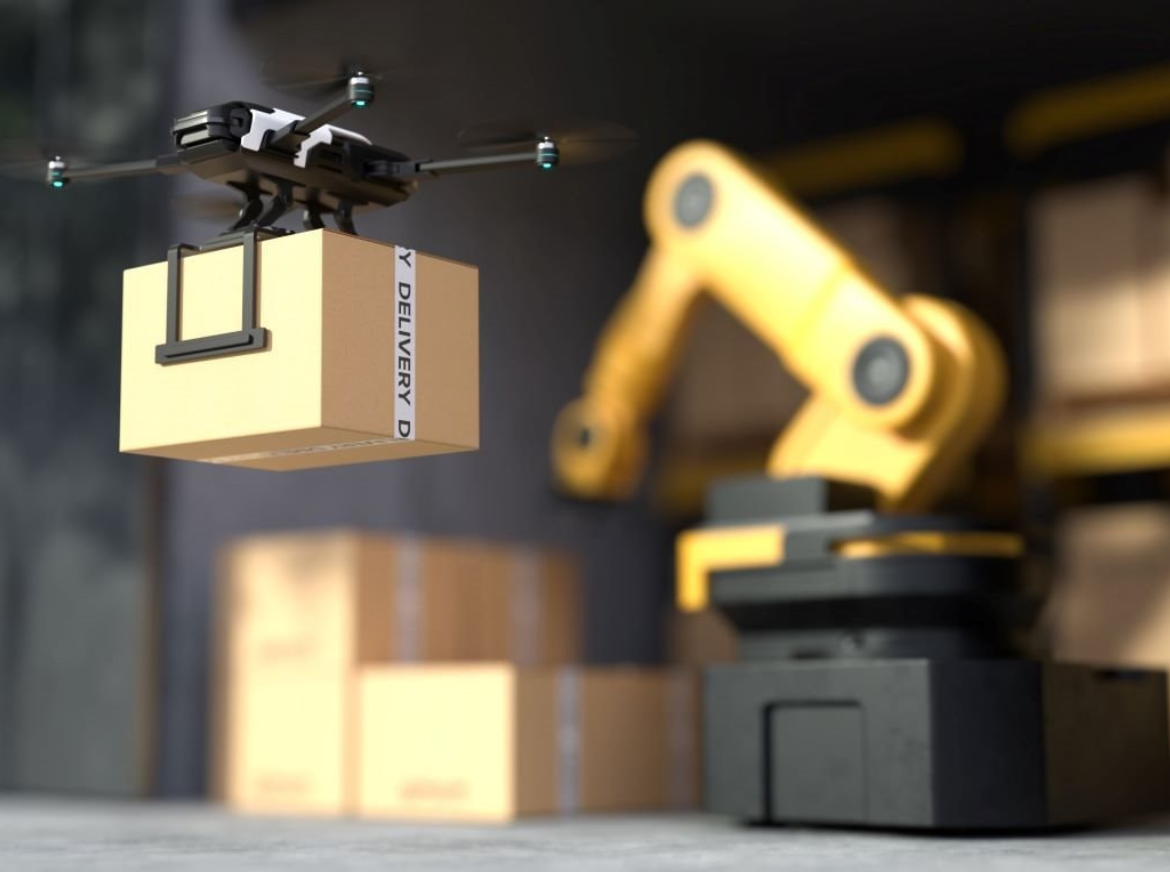
- Optimize operational costs – Embrace technological shifts such as automation in production and logistics, streamline internal processes, and adjust product-market strategies accordingly.
- Stay informed – Continuously monitor trade policy changes to proactively manage potential risks.
In the face of ongoing global trade tensions, resilience, adaptability, and timely information will be essential tools for any company navigating this complex landscape.







Recent Comments