
NEWS
2025 Logistics Strategy: 10 Breakthrough Steps

1. Strengthening the application of digital technology
Digital technology plays an important role in optimizing the supply chain, improving efficiency, and minimizing operational costs. Logistics companies need to invest in AI, Big Data, IoT, and Blockchain to improve transportation processes and warehouse management. For example, AI helps forecast demand for goods, while Blockchain ensures transparency and security of information in the supply chain.
2. Developing smart logistics infrastructure
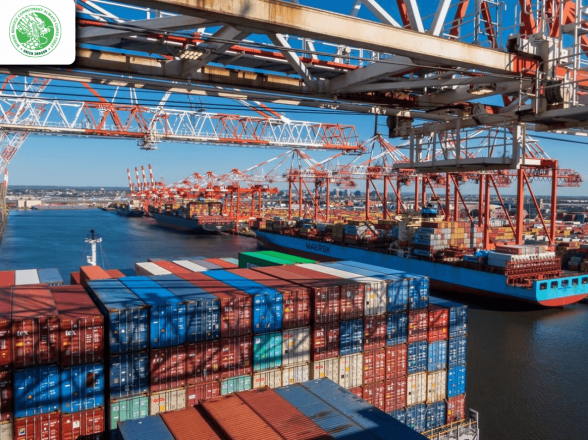
To meet global trade demands, logistics centers need to modernize infrastructure with advanced seaports, warehouses, and road and rail systems. For instance, smart ports in Singapore have applied IoT technology to track containers in real-time, helping to reduce loading and unloading times and optimize transportation processes.

3. Promoting automation and robotization
The application of robots in warehouses, automatic sorting systems, and autonomous vehicles (AGV, AMR) helps speed up the processing of goods, minimize errors, and enhance accuracy in warehouse management. Notably, Amazon has deployed over 520,000 robots in its warehouses, reducing order processing time from several hours to just minutes.
4. Developing green logistics models
Companies need to focus on sustainable logistics solutions, using environmentally friendly transport means, and reducing CO2 emissions. Some major carriers like Maersk have implemented ships powered by green fuel, helping to reduce emissions by up to 50% compared to conventional diesel-powered ships.
5. Optimizing the global supply chain
With changes in international trade, businesses need to have flexible strategies, leverage FTAs, and diversify sources to reduce risks. For instance, exporters from Vietnam can take advantage of the EVFTA Agreement to reduce tariffs when exporting goods to Europe.
6. Enhancing customer experience
AI technology helps analyze data, predict demand, thereby personalizing logistics services. For example, companies like DHL use AI systems to track and analyze customer feedback, adjusting delivery services according to actual needs.
7. Developing cross-border E-commerce
The boom in cross-border e-commerce requires logistics systems to be flexible, fast, and cost-effective. Fulfillment models like Amazon FBA or Alibaba’s warehousing services help small businesses expand their markets without needing to invest in their own warehouses.

8. Risk management and ensuring supply chain security
Businesses need to apply real-time monitoring technology and artificial intelligence to identify risks early. For example, FedEx has deployed IoT sensors on high-value packages to monitor the status of goods in real-time and prevent loss.
9. Developing high-quality human resources
Investing in staff training and enhancing digital skills is crucial to keeping up with modern logistics trends. Corporations like UPS have built intensive internal training programs on data analysis and supply chain management to help employees stay updated with new technologies.
10. Cooperation and linkage in the logistics industry
Expanding the network of strategic partners and leveraging logistics connectivity platforms help businesses optimize costs and enhance competitiveness. For example, companies like Green Dragon Logistics are collaborating with many international partners to expand cross-border transportation services, helping businesses access the US and European markets more effectively.






















Recent Comments