
NEWS
Analysis of the US–China Trade War: Timeline, Impacts, and Future Outlook

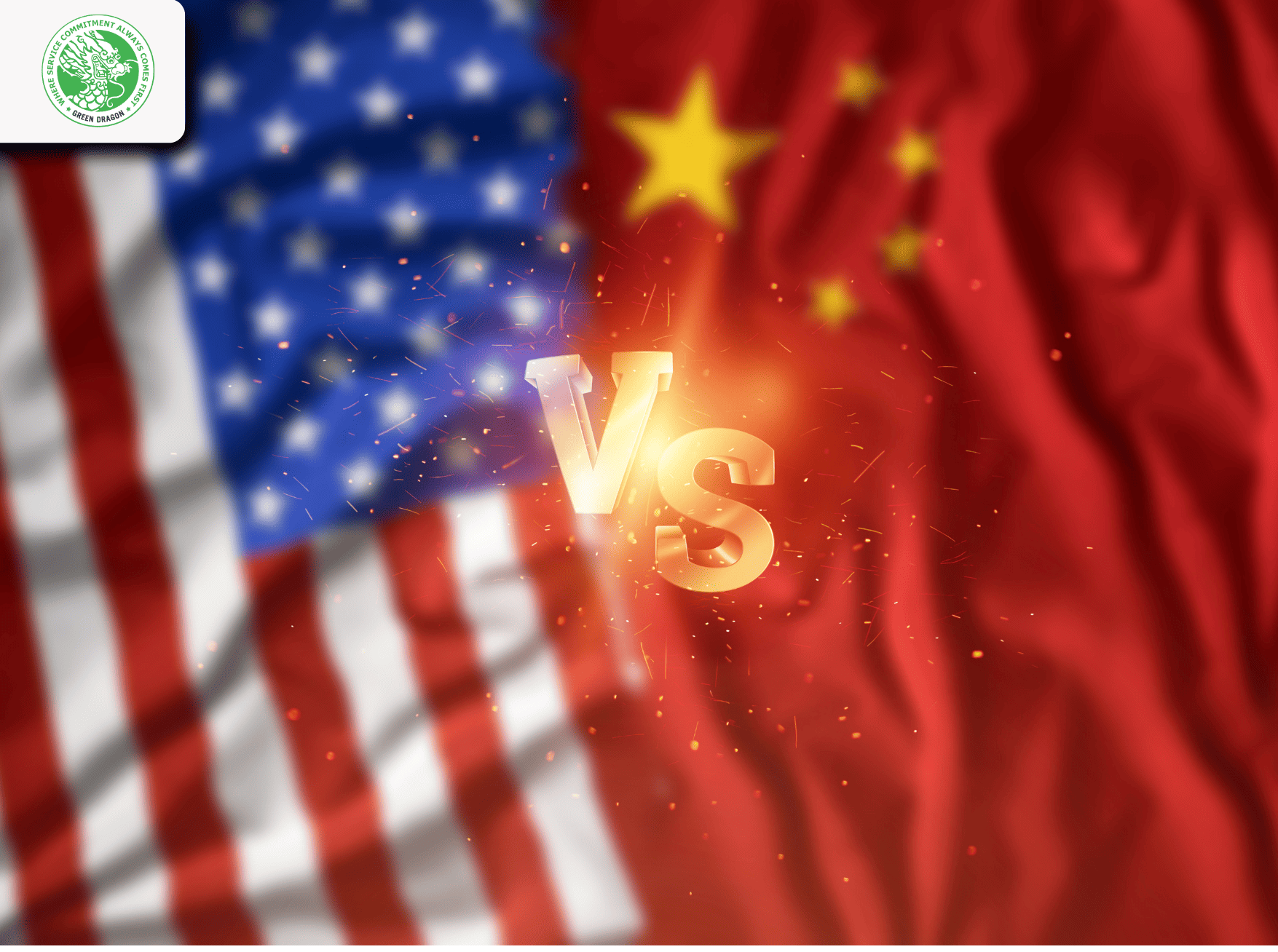
The US–China trade war is not merely a bilateral dispute between two economic superpowers—it has become a turning point in the global trade landscape. Since 2018, a series of Donald Trump tariffs, geopolitical tensions, and supply chain disruptions have significantly affected logistics, manufacturing, and global e-commerce.
1. Background of the US–China Trade War
The conflict began under President Donald Trump, who accused China of currency manipulation, intellectual property theft, and creating a large US trade deficit. The US imposed hundreds of billions of dollars in tariffs on Chinese imports. China retaliated by targeting US agricultural goods, machinery, and consumer products.
2. Key Timeline of the Trade War
- March 2018: US imposes 25% tariffs on steel, 10% on aluminum—mainly affecting China.
- July 2018: First round of 25% tariffs on $34 billion worth of Chinese goods.
- September 2018: Additional 10% tariffs on $200 billion Chinese imports (later raised to 25% in 2019).
- May 2019: Trade talks collapse, sparking global supply chain and logistics disruptions.
- January 2020: Phase One Trade Agreement signed—China pledges to buy $200B in US goods, but misses target due to COVID-19.
- 2023–2025: Tensions escalate again as Donald Trump promises a 50% tariff hike if re-elected.
3. Global Trade and Logistics Impact
3.1 Global Supply Chain Shifts
High tariffs pushed companies to diversify supply chains away from China:
- Apple expanded manufacturing in India.
- Samsung and LG increased investment in Vietnam.
- SMEs explored sourcing from Southeast Asia.
3.2 Shipping Route Diversification
To avoid tariffs, companies rerouted logistics flows via:
- Hubs like Singapore, Busan, or Rotterdam.
- Country-of-origin swapping through Vietnam, Malaysia.
3.3 Increased Logistics and Transportation Costs
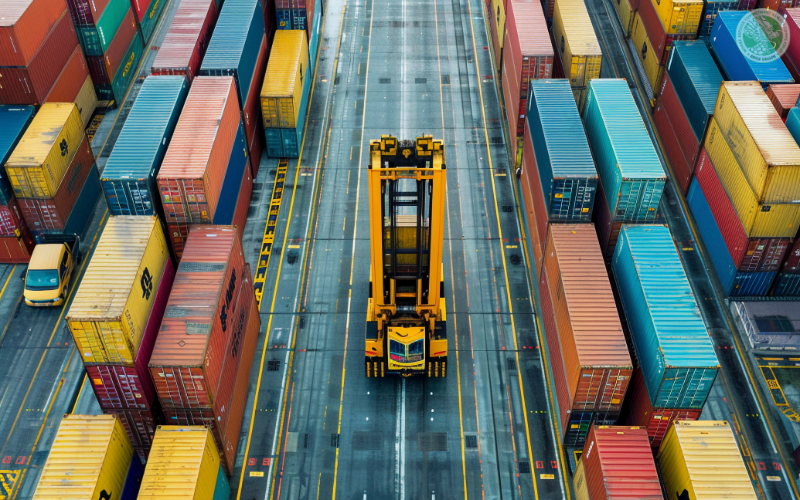
- Sharp rise in container freight rates from China to the US.
- Higher warehousing and compliance costs.
- Legal risks of violating country-of-origin rules.
4. Impact on Consumers and Businesses
4.1 Rising Consumer Prices in the US
- Tariffs raised prices of electronics, clothing, and home goods by 10–30%.
- American consumers faced inflation, reduced confidence, and lower spending.
4.2 Struggles for US Businesses
- Many small businesses could not adapt supply chains quickly.
- Heavy dependency on Chinese parts led to bankruptcies or forced mergers.
4.3 China Strengthens Domestic Economy
- Strategic focus on dual circulation, balancing domestic demand with exports.
5. Financial Market Reactions & International Warnings
- IMF, WTO, and the World Bank warned of rising global trade instability.
- Stock markets dropped in response to each new tariff announcement.
- Logistics, retail, and tech stocks suffered significant losses.
6. Industries Most Affected
|
Industry |
Main Impacts |
| Global logistics |
Rising costs, unstable routes, legal and compliance risks |
|
Technology |
Higher part costs, supply insecurity, cybersecurity risks |
| US agriculture |
Retaliatory tariffs from China, lost export share |
| Manufacturing |
Reliance on Chinese machinery and raw materials |
7. What Businesses Should Do
- Reassess supply chains and find alternative suppliers outside China.
- Establish alternative shipping routes via Vietnam, India, or Mexico.
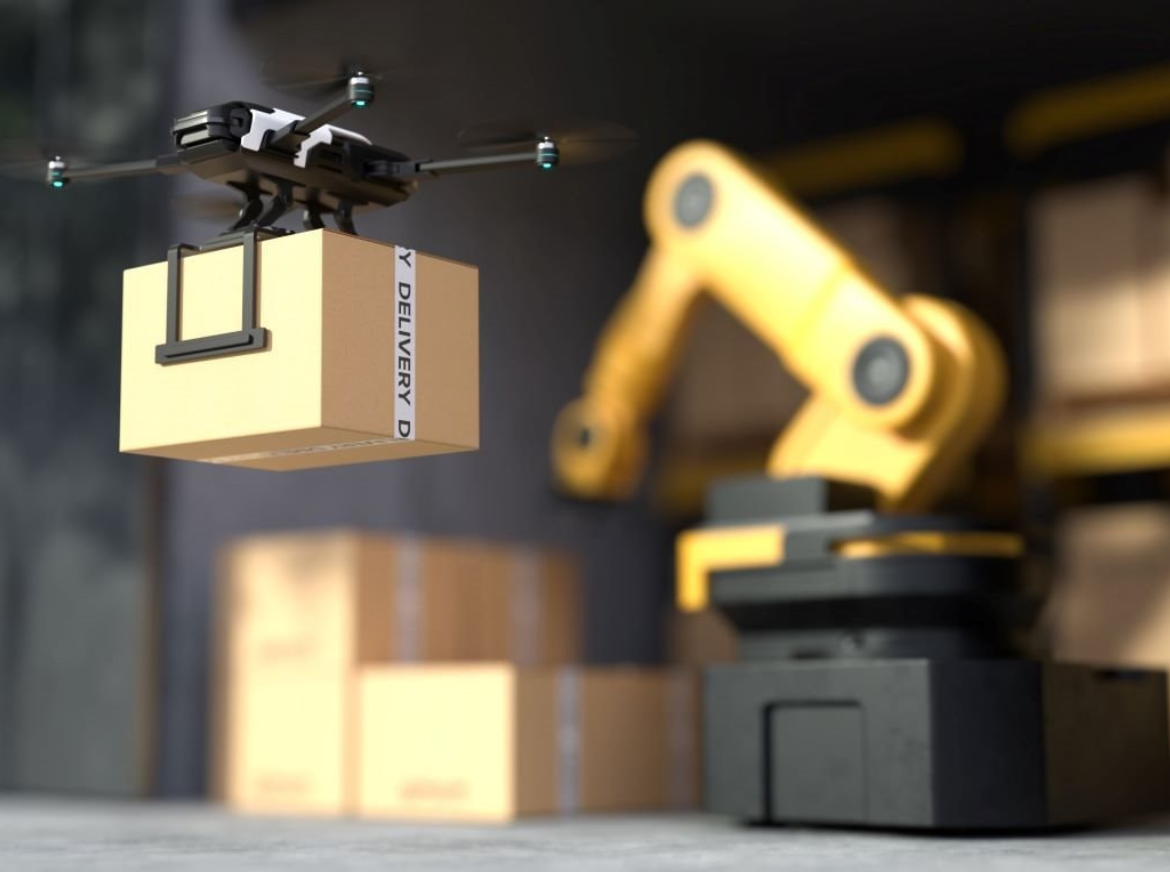
- Invest in supply chain automation and digitalization to cut long-term costs.
- Monitor trade policies closely and stay agile to react swiftly.
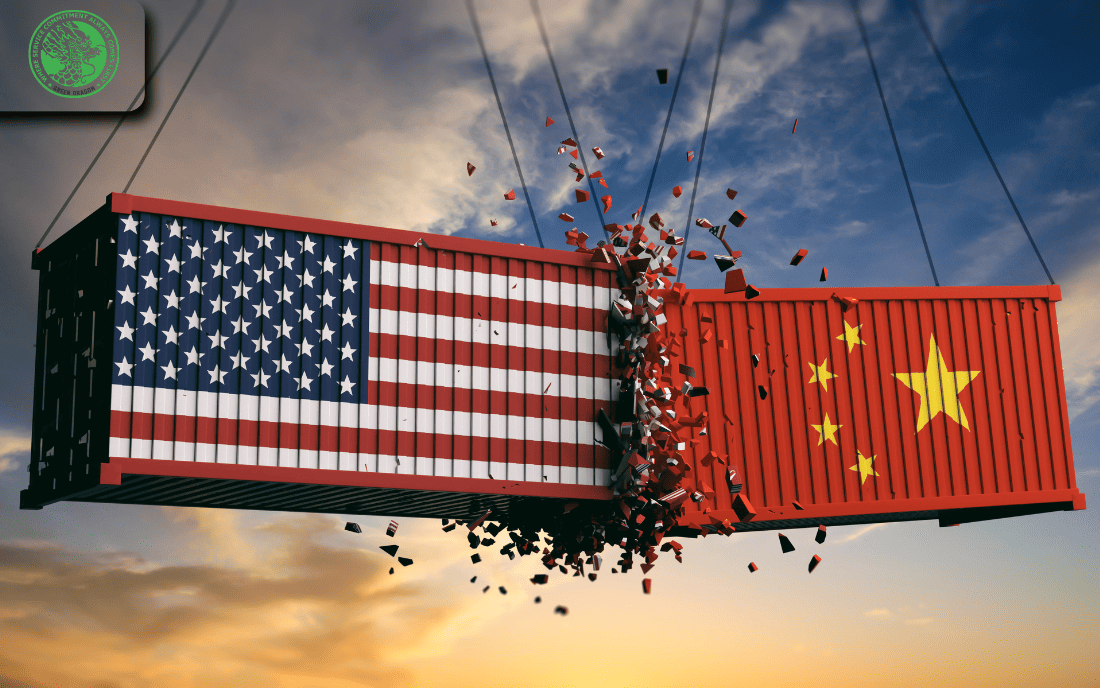
8. Future Outlook of the US–China Trade War
- A Trump re-election could mean harsher tariffs, possibly exceeding 50%.
- China will continue developing independent technology to reduce US reliance.
- Neutral countries like Vietnam and Indonesia may benefit from production shifts.
The US–China trade war is a defining event in modern economic history, reshaping global trade, supply chain strategies, and business models. While challenges are immense, this trade war also creates opportunities for flexible companies and emerging markets.
















Recent Comments