
NEWS
US Companies Borrow the Most from China Worldwide
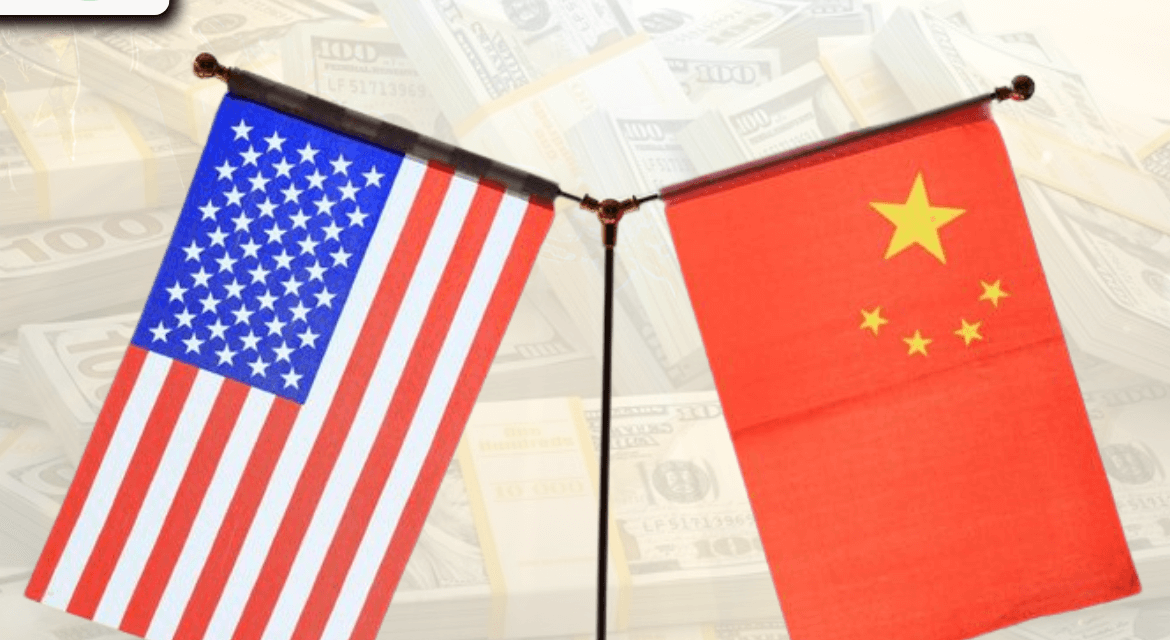
Over the past 25 years, U.S. companies have emerged as the largest borrowers from China worldwide, surpassing every other country in terms of total loan value. According to research by AidData, a research organization affiliated with the College of William & Mary in Virginia, American firms have borrowed more than $200 billion from Chinese financial institutions between 2000 and 2023. This unprecedented figure highlights the depth and complexity of the economic relationship between the world’s two largest economies.
While the United States and China are often portrayed as strategic competitors, particularly in trade and technology, the reality behind the headlines reveals a far more interconnected financial relationship. Chinese capital has quietly become an important funding source for U.S. businesses, especially in high-value and strategically sensitive industries.
1. The Scale of Chinese Lending to US Companies
AidData’s findings show that Chinese state-owned banks are the primary drivers behind this massive lending flow. Over more than two decades, these institutions have provided financing to U.S. companies at a scale unmatched by any other foreign lender nation.
What makes this trend especially notable is that Chinese lending is often associated with developing economies. However, the data indicates that wealthy countries — particularly the United States — have become major recipients of Chinese capital, signaling a shift in Beijing’s global financial strategy.
These loans are not random or evenly distributed. Instead, they are heavily concentrated in sectors that are critical to long-term economic competitiveness and national security.
2. Focus on Technology and Strategic Industries
A significant portion of Chinese loans to U.S. companies has been directed toward advanced technology sectors, including:
- Semiconductors
- Robotics and automation
- Biotechnology and life sciences
- Artificial intelligence and data infrastructure
- Energy and advanced manufacturing
The trend intensified after China introduced its industrial policy initiative, “Made in China 2025.” Since the launch of this strategy, the share of loans tied to high-tech industries increased sharply, from 46% to 88%, underscoring China’s intent to secure access to cutting-edge technologies through financial channels.
Rather than relying solely on direct acquisitions, loans provide a subtler but powerful mechanism for influence — enabling long-term partnerships, equity stakes, and strategic leverage.
3. Notable Loan Cases and National Security Concerns
One of the most frequently cited examples occurred in 2015, when a Chinese firm borrowed $1.2 billion to acquire 80% of Ironshore, a U.S. insurance company serving government agencies including the CIA and FBI. The deal quickly raised alarms among U.S. regulators due to its implications for national security.
As scrutiny intensified, the Chinese company was ultimately forced to divest, highlighting the tension between open capital markets and security considerations. This case became a turning point in Washington’s approach to foreign investment oversight.
Since then, similar transactions involving sensitive industries have faced heightened regulatory review, particularly through the Committee on Foreign Investment in the United States (CFIUS).
4. Why US Companies Borrow from China
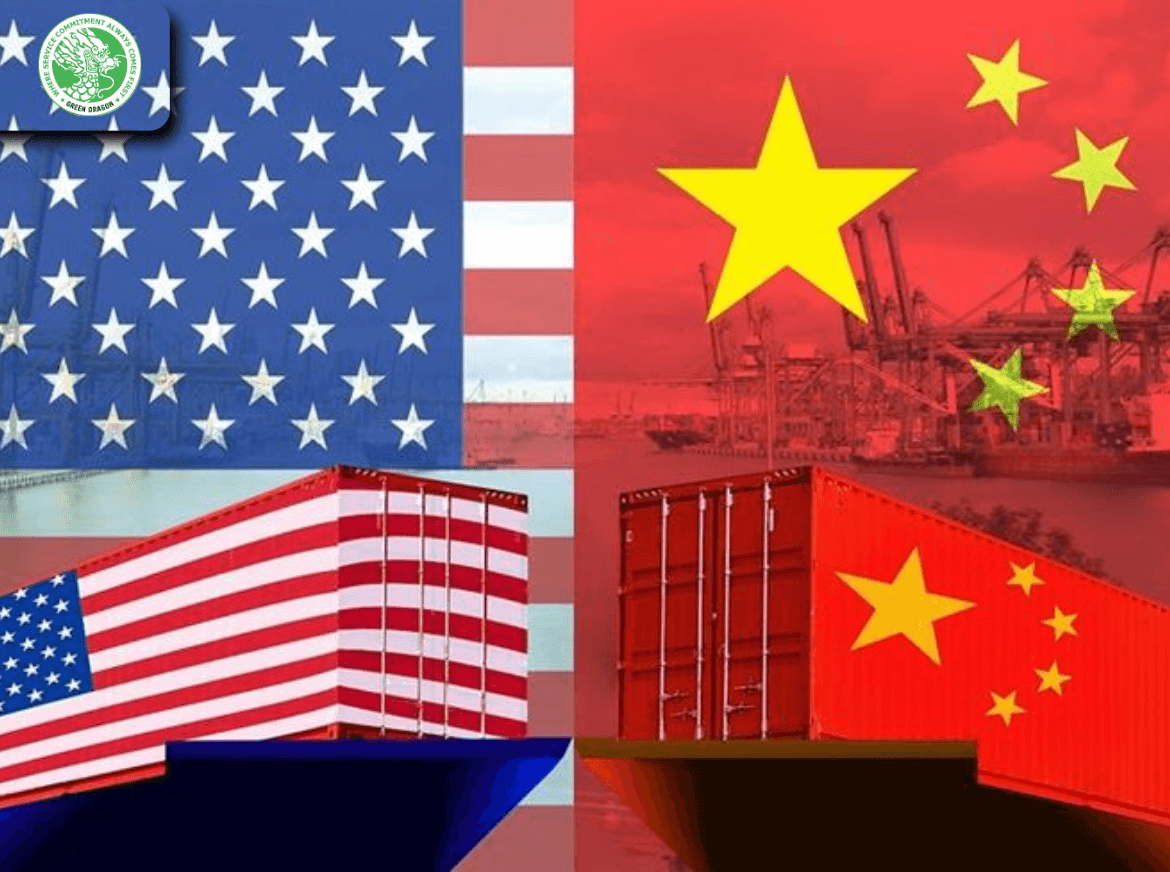
Despite growing political tensions, U.S. companies continue to borrow from Chinese institutions for several key reasons:
4.1. Competitive Interest Rates and Large Capital Availability
Chinese state-owned banks often provide large-scale financing at competitive interest rates, making them attractive for capital-intensive projects such as semiconductor fabrication, biotech research, or long-term infrastructure investments.
4.2. Long-Term Investment Horizon
Unlike some Western lenders focused on short-term returns, Chinese banks are frequently willing to support long-duration projects, aligning well with technology development cycles.
4.3. Global Financial Reach
Chinese banks operate globally, with established presences in financial hubs such as London, Frankfurt, Sydney, and Amsterdam. This allows them to structure deals under familiar legal frameworks, making transactions smoother for U.S. borrowers.
4.4. Strategic Partnerships
In some cases, loans are paired with equity participation or strategic cooperation, enabling borrowers to expand into Asian markets while providing China with access to technology and expertise.
5. Risks and Challenges of Chinese Financing
While Chinese capital offers advantages, it also introduces significant risks.
Transparency and Oversight Issues: Many loans are routed through shell companies or offshore jurisdictions such as the Cayman Islands, Bermuda, or Delaware. This practice complicates transparency and makes regulatory oversight more difficult.
Geopolitical and Regulatory Risks: As U.S.–China relations remain strained, companies tied to Chinese financing may face regulatory delays, public scrutiny, or even forced divestment if national security concerns arise.
Strategic Dependence: Overreliance on foreign capital — particularly from a geopolitical rival — can create vulnerabilities, especially in times of trade disputes or sanctions.
6. Impact on US Economic Policy
The surge in Chinese lending has reshaped U.S. policy discussions around foreign investment. Since 2020, the U.S. government has strengthened CFIUS oversight, expanding its authority to review transactions involving sensitive data, critical infrastructure, and emerging technologies.
Former White House investment advisor William Henagan famously described China’s strategy as “playing chess while the West plays checkers,” emphasizing how control over key components and technologies can determine outcomes in global trade conflicts.
As a result, U.S. policymakers now face the challenge of balancing economic openness with national security protection.
7. Opportunities for US Businesses
Despite the risks, borrowing from China continues to offer tangible benefits for U.S. companies:
- Accelerated innovation through increased R&D funding
- Expanded international reach, particularly in Asia
- Diversified funding sources, reducing dependence on domestic capital markets
For many firms, the key lies in robust compliance, careful deal structuring, and diversified partnerships.
8. Implications for Global Trade and Logistics
The growing financial ties between U.S. companies and Chinese capital do not exist in isolation. They directly influence global trade flows, supply chains, and logistics networks. As investments increase in manufacturing, technology, and cross-border commerce, demand rises for efficient, compliant, and resilient logistics solutions.
In an era of shifting trade policies and geopolitical uncertainty, logistics is no longer just about transportation — it is a strategic pillar of business continuity.
9. The Role of Green Dragon International Logistics
As global trade becomes more complex, businesses require logistics partners that understand U.S.–China trade dynamics, customs compliance, and cross-border risk management.
Green Dragon International Logistics supports companies navigating these challenges by providing end-to-end international shipping, fulfillment, and supply chain solutions. With expertise in U.S.–Asia trade lanes, Green Dragon helps businesses:
- Optimize supply chains amid evolving trade and investment policies
- Ensure compliance with U.S. customs and international regulations
- Reduce logistics costs while maintaining reliability and speed
- Support e-commerce, manufacturing, and B2B cross-border operations
As financial and trade relationships between the U.S. and China continue to evolve, choosing the right logistics partner becomes a strategic decision, not merely an operational one.
Learn more about global shipping and logistics solutions at: https://greendragonlog.us/
10. Conclusion
That U.S. companies are now the largest borrowers from China worldwide reflects a multifaceted economic reality. Chinese capital offers powerful growth opportunities, particularly in high-tech sectors, while simultaneously raising concerns around transparency, security, and long-term dependence.
For businesses, success lies in strategic risk management, regulatory awareness, and strong operational partners. As global finance and trade become increasingly intertwined, companies that understand both the financial and logistical dimensions of international commerce will be best positioned to thrive.
Recent Comments