
NEWS
EU Strongly Reacts to Unjustified Trade Barriers

Global Trade Faces Unreasonable Obstacles
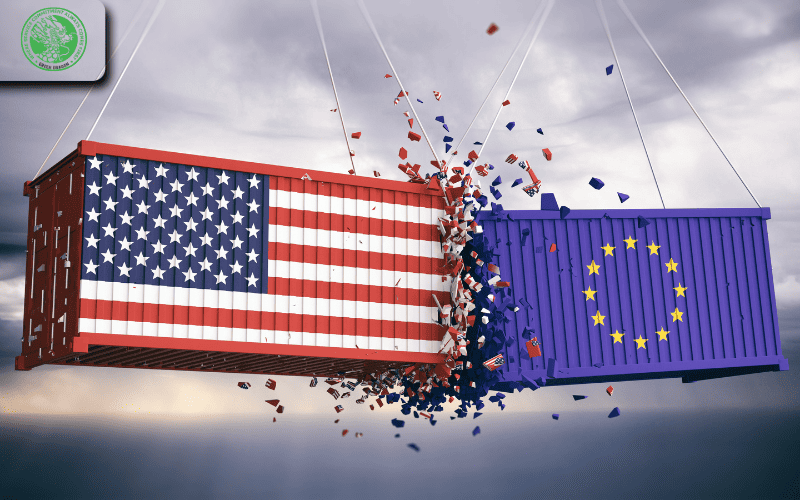
As global trade is increasingly confronted with unjustified trade barriers affecting the flow of goods and regional economies, the European Union (EU) has reaffirmed its strong commitment to defending a fair, transparent, and stable trade system. Unreasonable international tariff measures from major trading partners, especially the United States, have raised serious concerns about fairness in global trade activities. As one of the world’s largest economies, the EU faces significant challenges when its goods are subjected to high tariffs or import bans without just cause.
The EU’s Firm Response
In response to these developments, the EU has declared that it will not tolerate such actions and will take strong countermeasures to protect the region’s economic interests and maintain stability within the international trade system. These actions reflect the EU’s intention to uphold global trade order and protect its businesses and consumers from unfair trade policies and tariff barriers imposed by other partners.
A key point is the EU’s commitment to maintaining a free and fair trade system, demonstrating its resolve to defend the core principles of the World Trade Organization (WTO) and to advance multilateral trade negotiations, rather than relying solely on bilateral agreements which may hinder the free flow of goods and services.
EU’s Role in Promoting Fair Trade
The EU has long been a leader in promoting free trade and reducing tariff barriers. Over 70% of imported goods into the EU benefit from zero tariffs, which boosts regional development and creates a favorable trade environment for businesses. Maintaining such low tariff levels not only benefits EU companies but also makes the region an attractive market for international partners.
A fair and transparent trade system—the EU’s guiding principle—holds vital importance not only for the regional economy but also for the sustainable development of the global economy. Every unjustified trade barrier can trigger a domino effect, weakening the entire global trade structure.
Concrete Measures the EU Is Taking
To address these challenges, the EU has announced that it will employ all available tools to counter unjustified trade restrictions. These include:
- Counterbalancing trade policies: The EU may introduce retaliatory tariffs or restrictions on imported goods from countries that impose unreasonable trade barriers. These measures aim to restore fairness in trade exchanges.
- Bilateral trade negotiations: In addition to countermeasures, the EU will continue to pursue bilateral dialogues with countries engaging in unfair trade practices, seeking peaceful dispute resolution and mutually beneficial outcomes.
- Dispute settlement through the WTO: The EU has pledged to take trade disputes to the WTO dispute resolution mechanism when necessary. The WTO ensures fair and transparent resolution of trade conflicts between member states, safeguarding the interests of all involved.
Negative Impacts of Unjustified Trade Barriers
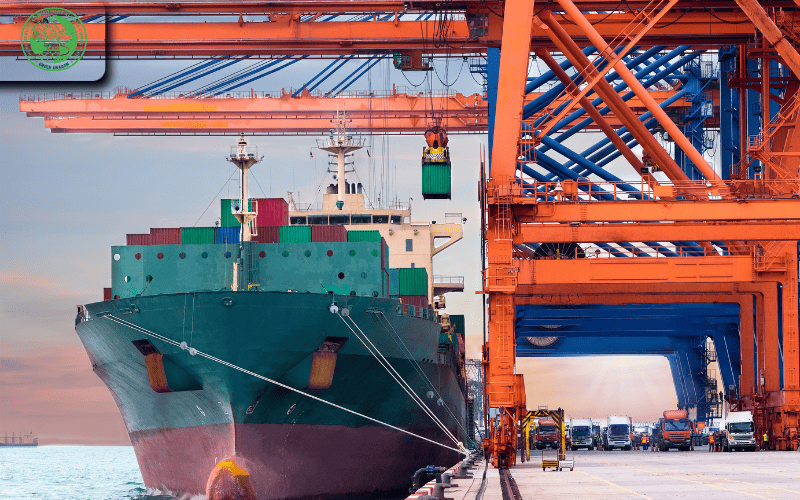
When trade barriers are imposed without reasonable justification, the consequences are inevitable. Enterprises within the region suffer from higher tariffs and export restrictions. This not only reduces the competitiveness of EU products but also disrupts global supply chains, hindering the movement of goods and increasing costs for businesses.
A direct consequence is a slowdown in economic growth. These barriers make it harder for businesses to access new markets and raise prices for consumers. As input costs increase, inflation tends to rise, reducing purchasing power and economic stability.
EU Ready to Safeguard Free and Fair Trade
With its strong commitment to a global free, fair, and sustainable trade environment, the EU stands ready to take robust action to protect the interests of its businesses, workers, and consumers. The EU believes that ensuring a stable international trade system is beneficial not only to itself but also vital for global economic growth and prosperity. Addressing unjustified trade barriers is an essential step toward ensuring that international trade continues to be a powerful engine for shared global development.







Recent Comments