
NEWS
What Businesses Should Consider Before Importing Goods from the U.S.
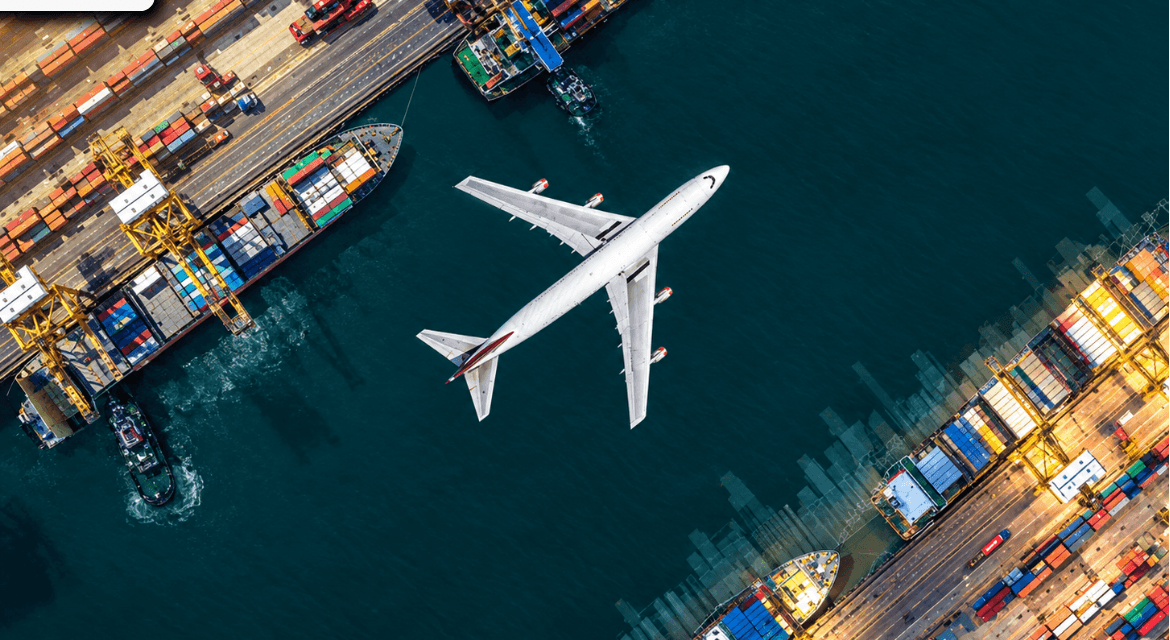
Importing goods from the U.S. can give businesses access to a wide range of products and suppliers. However, a successful import shipment involves more than purchasing goods and arranging transportation. Businesses need to consider product requirements, shipping methods, total costs, and the logistics process before moving goods from the U.S. to their destination.
Planning these factors in advance can help businesses prepare the necessary documents, select appropriate transportation options, and manage their import shipments more effectively.
Understand Your Goods and Import Requirements
Before arranging transportation, businesses should first understand the goods they plan to import. Product type, quantity, value, characteristics, and intended use can affect the transportation and customs procedures required for a shipment.
Businesses should also check whether their goods are subject to specific import requirements, such as licenses, certificates, customs declarations, or inspections. Preparing the relevant information and documents in advance can help reduce the risk of delays or additional issues during customs clearance.

Customs brokerage can be an important part of this process, particularly when businesses are unfamiliar with import procedures or documentation requirements. Green Dragon International Logistics, LLC provides customs brokerage services to support businesses with customs procedures, import and export clearance, tax declarations, certificates of origin, and other related requirements.
Understanding these requirements before shipping can help businesses avoid unexpected issues and prepare a more suitable logistics plan from the beginning.
Choose the Right Shipping Method for Your Business

The choice of shipping method can have a significant impact on both transportation costs and delivery time. Businesses should consider shipment size, product characteristics, delivery requirements, and available budget before deciding between air freight and ocean freight.
For larger shipments that are less time-sensitive, ocean freight may be a suitable option. Air freight can be considered when faster transportation is a priority or when goods need to reach their destination within a shorter timeframe.
International transportation is also only one part of the process. Goods may need to be transported from the U.S. supplier or warehouse to a port or airport before being shipped internationally. Therefore, inland transportation should also be included when planning the shipment.
Green Dragon International Logistics, LLC offers different transportation options, including:
- Ocean Freight for international sea transportation
- Air Freight for shipments where shorter transit times are required
- Inland Road Transportation for moving goods between suppliers, warehouses, ports, and airports in the U.S.
Businesses can evaluate these options based on the specific requirements of each shipment rather than choosing a shipping method based only on the international freight rate.
Consider the Total Cost of Importing from the U.S.
The purchase price of goods does not represent the full cost of an import shipment. Before confirming an order, businesses should consider the expenses that may arise throughout the logistics process.
Depending on the shipment, the total cost may include:
- International freight charges
- Inland transportation
- Customs duties and taxes
- Customs-related charges
- Cargo handling
- Warehousing and storage
- Other logistics services required during transportation
Considering these costs together can give businesses a clearer picture of their actual import expenses and help them plan their logistics budget more effectively.
Freight forwarding can help businesses coordinate different stages of an international shipment. Green Dragon International Logistics, LLC provides freight forwarding services covering international freight arrangements, customs procedures, domestic and cross-border transportation, shipment management, and logistics cost consulting.
For shipments that require temporary storage before final delivery, warehouse services can also become part of the overall logistics plan. This can be useful when the timing between cargo arrival, customs clearance, and final delivery does not align.
Plan the Logistics Process from Pickup to Delivery
Importing goods from the U.S. involves several connected stages. Businesses should therefore consider the complete logistics flow before shipping begins instead of focusing only on international transportation.

A shipment may involve the following process:
U.S. supplier → Inland transportation → Air or ocean freight → Customs clearance → Warehousing, if required → Final delivery
Each stage can affect the next. For example, transportation arrangements need to align with the supplier’s pickup schedule, while customs documentation needs to correspond with the shipment and applicable requirements. If goods require storage after arrival, warehouse capacity and subsequent delivery should also be considered in advance.
With services covering transportation, customs, freight forwarding, and warehousing, Green Dragon International Logistics, LLC can support different stages of the import process. Businesses can evaluate which services are necessary for each shipment and organize the logistics process according to their product, timeline, and operational requirements.
Conclusion
Importing goods from the U.S. requires businesses to consider several factors before arranging a shipment. Understanding the goods and import requirements, selecting a suitable shipping method, estimating the total logistics cost, and planning the process from pickup to final delivery can help businesses prepare more effectively.
With transportation, freight forwarding, customs brokerage, and warehousing services, Green Dragon International Logistics, LLC can support businesses across different stages of moving goods from the U.S. to their intended destination. A well-planned logistics process can help businesses make more informed decisions and manage their import shipments more efficiently.

















Recent Comments