
NEWS
The Latest Casualty of the Tariff War: Free Shipping

Tariff increases have forced retailers—big and small—to curtail or revoke free shipping perks. Here’s how companies are adapting to rising costs and what this means for consumer behavior.
Free Shipping Under Fire: How Tariffs Are Reshaping E-Commerce Logistics
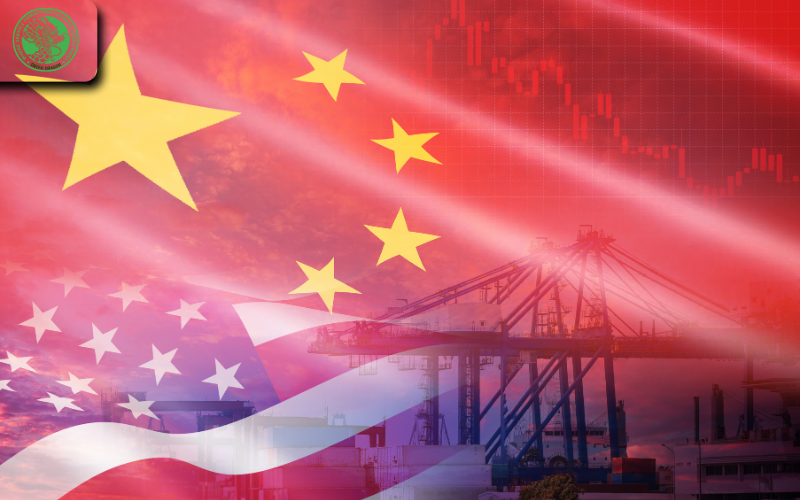
The escalating tariff war between the United States and China has unleashed ripple effects far beyond traditional trade headlines. While most attention has focused on increased costs for raw materials and finished goods, a less visible but equally disruptive consequence is beginning to emerge: the slow demise of free shipping as a standard e-commerce offering.
Once considered a non-negotiable incentive in the competitive online retail landscape, free shipping is now being quietly limited, adjusted, or removed altogether by brands grappling with squeezed profit margins.
Why Free Shipping Is No Longer “Free”
Rising tariffs—some as high as 30% on imports from China—have significantly raised the cost of sourcing and transporting goods. Simultaneously, global parcel delivery costs have surged due to carrier rate hikes, fuel surcharges, and the operational complexity of navigating longer, rerouted shipping lanes designed to avoid tariff exposure.
For many retailers, especially those in the small to medium-sized category, these compounded cost pressures have left little room to absorb shipping fees without eroding profitability. Instead of raising product prices—something that could visibly impact consumer behavior—many businesses are opting to adjust their shipping policies, often with minimal announcement.
Typical changes include:
- Doubling free shipping thresholds, forcing customers to spend more to unlock the perk.
- Restricting free shipping to loyalty program members, creating tiered incentives.
- Adding flat-rate shipping fees across all orders, regardless of size or value.

A Strategic Rebalancing for Retailers
While some large retailers can negotiate discounted carrier rates through volume contracts, smaller brands are at a disadvantage. Their shipping expenses often exceed what customers pay at checkout, especially when free shipping is in place.
In response, many brands are now reassessing what shipping perks are truly sustainable. This shift signals a broader transformation in how logistics is treated—not just as a cost center, but as a strategic lever that must be optimized like marketing or inventory management.
A few notable strategic moves in the industry include:
- Investing in regional fulfillment centers to reduce last-mile delivery costs.
- Partnering with third-party logistics providers (3PLs) to gain more favorable rates.
- Exploring alternative sourcing and manufacturing locations outside of high-tariff zones to regain margin flexibility.
Consumer Behavior Is Shifting—But Slowly
The end of ubiquitous free shipping hasn’t gone unnoticed by customers. At the checkout stage, the sudden appearance of delivery fees remains one of the leading causes of cart abandonment, particularly among first-time buyers or impulse shoppers.
However, repeat customers and brand-loyal audiences appear more forgiving. Brands that communicate shipping policy changes transparently and emphasize product quality, customer experience, or values (like sustainability or domestic production) tend to retain their core audience.
This points to a growing divide in consumer expectations: while some still view free shipping as a right, others are beginning to accept it as a privilege—particularly in a world where global supply chains are under pressure.
Bigger Players Adapt Differently
Not all retailers are responding to rising tariffs and shipping costs the same way. Major retail chains and marketplace giants often pursue more subtle strategies:
- Increasing product prices quietly, rather than charging shipping directly.
- Renegotiating contracts with suppliers, pushing for shared cost responsibility.
- Implementing hybrid logistics models, combining direct shipping from suppliers with localized inventory stockpiles.
Furthermore, large retailers are actively diversifying their sourcing footprint, shifting procurement from China to countries like Vietnam, Mexico, and India. This allows them to bypass the harshest tariffs while maintaining competitive pricing and shipping promises.
The Long-Term Implications for E-Commerce
The evolution of free shipping from a standard to a strategic decision reflects broader macroeconomic shifts. E-commerce retailers are under growing pressure to:
- Balance cost recovery with customer satisfaction
- Leverage data and supply chain analytics to forecast shipping cost impacts
- Adopt dynamic pricing models that incorporate delivery fees based on region, seasonality, or customer tier
Additionally, this moment may mark a turning point in how shipping is framed in marketing narratives. Rather than highlighting “free,” forward-thinking brands may focus on transparency, speed, environmental impact, or customer empowerment through choice (e.g., standard vs. express with clear costs).
Conclusion: The End of an Era?
Free shipping, once a hallmark of online retail success, is becoming a calculated risk. The new global trade environment has forced retailers to question whether the long-held practice still makes financial sense—and for many, the answer is increasingly no.
Consumers, too, are adjusting their expectations. As shipping perks fade, other elements—such as loyalty rewards, product quality, and brand trust—are stepping in to take their place. In the long run, this evolution could help businesses build more sustainable operations, even if it means saying goodbye to “free” in the process.
Recent Comments