
NEWS
Sino-US Port Fee Truce – Relief and Uncertainty for Carriers and Shippers
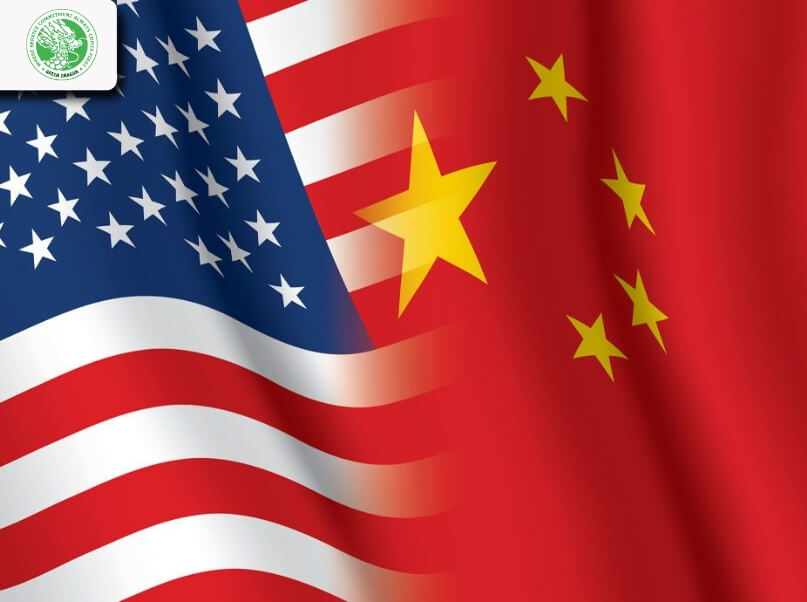
The recent announcement of a Sino-US port fee truce has sent noticeable ripples through the global shipping and logistics industry. After months of escalating port charges, mounting operational costs, and growing uncertainty, the temporary agreement between China and the United States offers much-needed relief for carriers and shippers alike. However, while the truce eases immediate financial pressure, it also raises important questions about long-term stability, regulatory predictability, and the future structure of international supply chains.
As two of the world’s most influential trading nations, any adjustment in port fee policy between China and the US has far-reaching consequences that extend well beyond bilateral trade. Global freight flows, capacity planning, and sourcing strategies are all affected, making this truce a significant development for the entire logistics ecosystem.
1. Background: Port Fee Conflicts Between China and the United States
The tension surrounding port fees between Chinese and US ports has been building over several years, driven by a combination of trade disputes, tariff policies, port congestion, and surging demand for containerized shipping. Following the disruptions caused by the pandemic, ports on both sides of the Pacific struggled with labor shortages, equipment imbalances, and infrastructure bottlenecks.
To offset rising operational costs, port authorities introduced higher port fees, increased demurrage and detention charges, and implemented stricter penalties for delays. In some regions, port-related charges reportedly increased by up to 20%, placing significant financial strain on shippers. Importers and exporters faced higher landed costs, while carriers dealt with operational inefficiencies, schedule disruptions, and unpredictable revenue streams.
As these pressures intensified, it became increasingly clear that excessive port fees were harming all stakeholders across the supply chain. The truce signals a mutual recognition by both China and the United States that sustained fee escalation is unsustainable and risks undermining trade competitiveness.
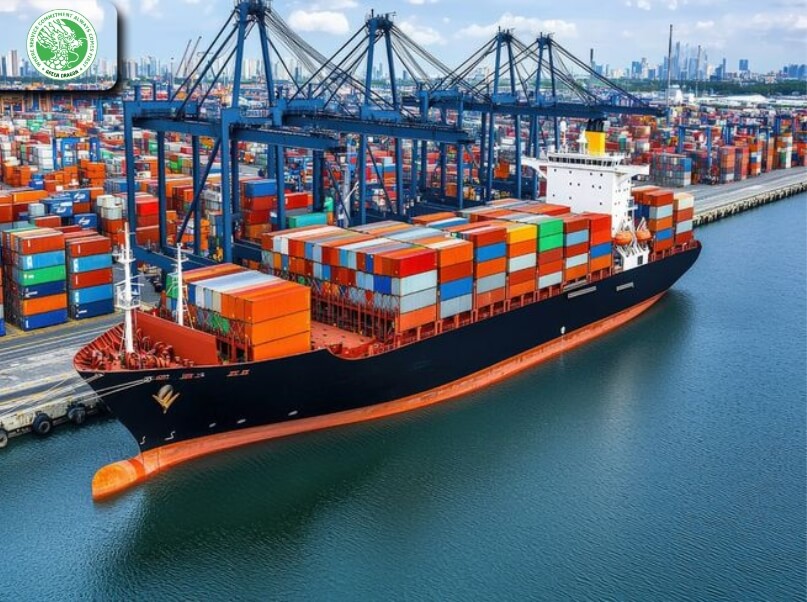
2. Key Elements of the Sino-US Port Fee Truce
Although the full details of the agreement have not been publicly disclosed, early reports suggest several important measures designed to stabilize costs and improve operational efficiency:
- A temporary freeze on further port fee increases
- Reduced penalties related to demurrage and detention
- Greater flexibility in container dwell times
- Improved communication between port authorities and shipping lines
While these measures are not permanent, they provide immediate breathing room for carriers and shippers navigating an already complex logistics environment.
2. Relief for Ocean Carriers
For ocean carriers, the port fee truce delivers several immediate benefits that help stabilize operations and restore confidence:
More Predictable Cost Structures: With additional port fee increases temporarily halted, carriers can forecast expenses more accurately and manage budgets with greater certainty. This predictability is essential for route planning, pricing strategies, and contract negotiations.
Reduced Operational Pressure: Relief from excessive demurrage and detention penalties allows carriers to reposition containers more efficiently without incurring disproportionate costs. This is particularly important during periods of congestion or schedule disruption.
Improved Profit Margins: Stabilized port costs help carriers maintain competitive freight rates while protecting profitability. In a market already characterized by volatile demand and fluctuating fuel prices, this stability is highly valuable.
Despite these advantages, carriers remain cautious. The temporary nature of the truce means that any breakdown in negotiations could quickly reverse the gains, reinforcing the need for contingency planning.
4. Positive Implications for Shippers
Shippers, including manufacturers, retailers, and e-commerce businesses, also stand to benefit from the agreement:
Lower Total Shipping Costs: Reduced port fees and penalties directly impact the bottom line, helping businesses control logistics expenses and protect profit margins.
Enhanced Supply Chain Reliability: With fewer unexpected charges and delays, supply chains can operate more smoothly, improving delivery performance and customer satisfaction.
Strategic Planning Opportunities: The truce provides a valuable window for companies to reassess inventory strategies, optimize transportation routes, and renegotiate contracts under more stable conditions.
However, the relief is tempered by uncertainty. The agreement does not guarantee long-term stability, and shippers must remain prepared for potential policy reversals or new regulatory changes.
5. Ongoing Uncertainty in the Global Shipping Landscape
Despite the positive short-term impact, several factors continue to contribute to uncertainty:
Temporary Nature of the Truce: The agreement may only serve as a short-term solution. If negotiations stall or geopolitical tensions escalate, port fees could rise again with little notice.
Global Trade Volatility: External forces such as geopolitical conflicts, fuel price fluctuations, labor disputes, and economic slowdowns continue to affect port operations and shipping capacity worldwide.
Regulatory and Compliance Risks: Both China and the US may introduce new regulations affecting port operations, customs procedures, or environmental compliance, potentially offsetting the benefits of the truce.
These uncertainties underscore the importance of agility and proactive risk management for both carriers and shippers.
6. Broader Implications for Global Supply Chains
Beyond immediate cost relief, the Sino-US port fee truce carries broader implications for global supply chain strategies. As two of the world’s most important trade hubs, changes in port fee policy influence freight flows, capacity allocation, and sourcing decisions worldwide.
While the truce may temporarily slow diversification efforts such as nearshoring or alternative routing, the experience of sudden fee escalation has already reshaped risk perceptions. Many companies are now prioritizing long-term resilience alongside cost efficiency, balancing short-term savings with strategic flexibility.
7. Strategic Responses from the Logistics Industry
Leading logistics providers are actively adapting to this evolving environment to support their clients. Companies such as Green Dragon International Logistics, LLC are implementing comprehensive strategies to help shippers and carriers navigate both relief and uncertainty:
End-to-End Logistics Solutions: Integrated ocean, air, and inland transportation services help mitigate disruptions and provide flexibility when port conditions change.
Customs Brokerage and Compliance Expertise: Professional customs support ensures smooth clearance processes, even as regulations evolve or enforcement intensifies.
Advanced Warehousing and Fulfillment: Flexible warehousing solutions enable businesses to manage inventory fluctuations, buffer against delays, and support e-commerce fulfillment needs.
Data-Driven Planning and Visibility: Real-time tracking, analytics, and digital platforms allow companies to optimize routes, reduce costs, and maintain service reliability in a volatile market.
By leveraging strong logistics partnerships, businesses can respond quickly to changes in port fees and broader market conditions.
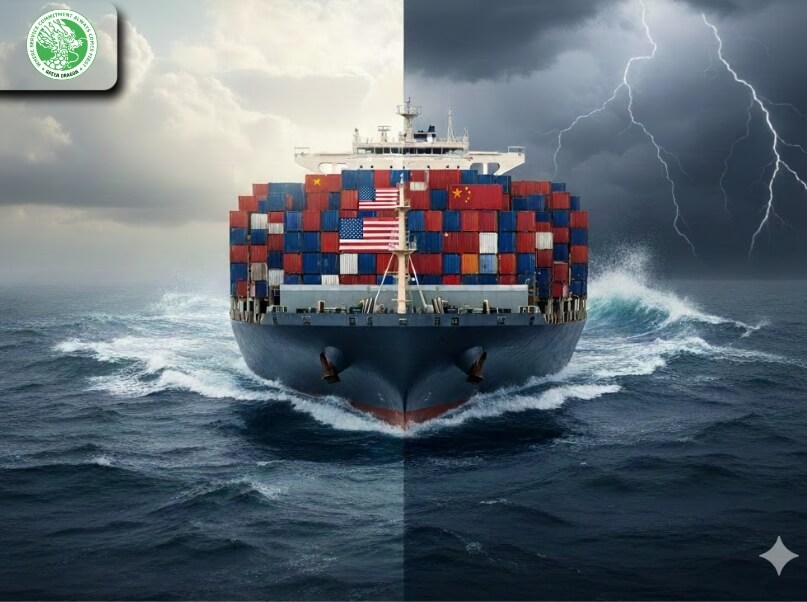
8. Key Lessons for Supply Chain Management
The Sino-US port fee truce highlights several important lessons for supply chain leaders:
- Diversification of Routes and Ports: Reducing dependence on a single port or trade lane minimizes exposure to sudden cost increases.
- Collaborative Negotiations: Working closely with carriers and freight forwarders can lead to more favorable and flexible terms.
- Risk Mitigation and Scenario Planning: Preparing contingency plans enhances resilience against future disruptions.
- Technology Adoption: Digital tools improve transparency, efficiency, and decision-making across the supply chain.
Proactive strategies are essential for sustaining operational efficiency and competitiveness in an uncertain environment.
9. Looking Ahead: What Comes Next?
While the truce provides welcome short-term relief, the future of Sino-US port fee policy remains uncertain. Key factors to watch include:
- Progress in ongoing Sino-US trade negotiations
- Global shipping demand and capacity dynamics
- Regulatory and environmental policy developments affecting port operations
Businesses that maintain flexibility, stay informed, and partner with experienced logistics providers will be best positioned to navigate upcoming changes.
10. Conclusion
The Sino-US port fee truce represents a critical moment for carriers and shippers facing rising costs and operational challenges. It offers a temporary reprieve, enabling companies to stabilize shipping operations, optimize logistics strategies, and maintain competitiveness in a volatile market. However, uncertainty persists, and the global logistics landscape remains dynamic.
Organizations that adopt proactive planning, diversify supply chain routes, invest in technology, and collaborate with trusted partners such as Green Dragon International Logistics, LLC will be better equipped to capitalize on opportunities while effectively managing risks. In an era where resilience is as important as efficiency, the ability to adapt will define long-term success.
Recent Comments