
NEWS
Carriers look to higher rates, fewer sailings on key Asia-US route
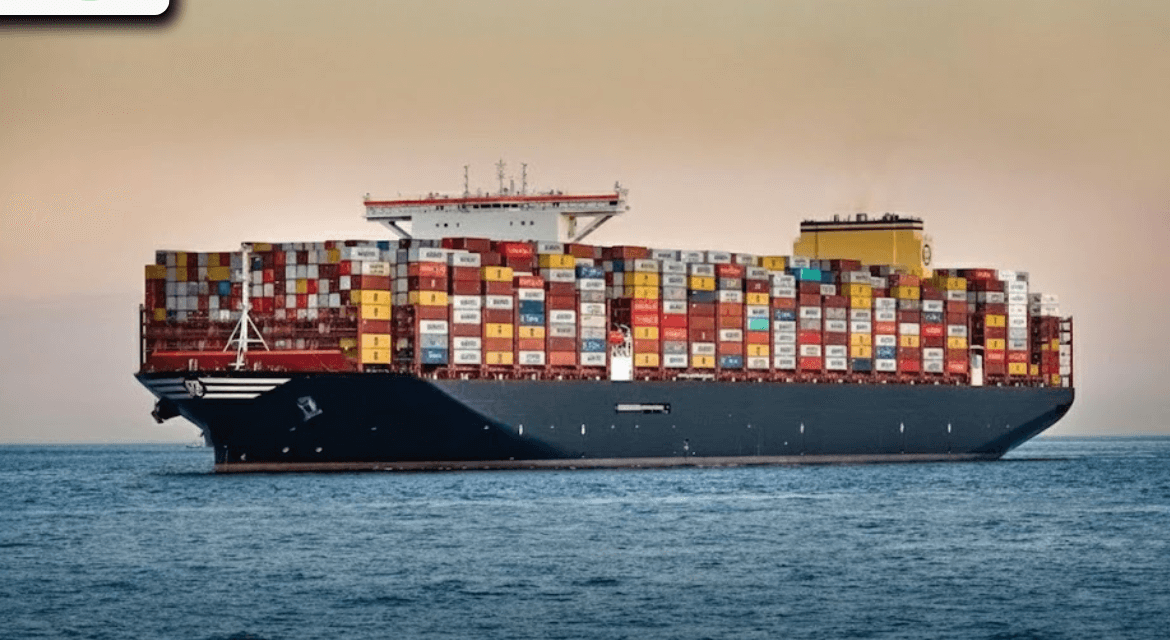
The Asia–US shipping rates have become a central topic in the global logistics industry, especially as ocean carriers adjust strategies to cope with changing demand and market conditions. Recent trends indicate that carriers are increasingly raising freight rates while reducing the number of sailings, signaling a strategic shift aimed at stabilizing the market. For businesses involved in international trade, especially those importing goods from Asia to the United States, understanding these trends is crucial for cost planning and supply chain management.
Understanding Current Trends in Asia–US Shipping Rates
The global shipping industry has faced significant volatility in recent years, influenced by pandemic-related disruptions, labor shortages, and fluctuating demand. On the Asia–US route, ocean freight rates have shown an unusual pattern. While container prices initially spiked during periods of high demand, they have recently faced pressure due to a slowing recovery in cargo volumes.
Key factors contributing to the current market situation include:
- Blank sailings Asia US: Major carriers are deliberately canceling certain sailings to manage capacity. By reducing available space, carriers can maintain higher freight rates even when demand is inconsistent.
- Trans-Pacific container rates: These rates are now reflecting both operational cost increases and strategic pricing decisions aimed at protecting carrier margins.
- Freight rate volatility: Frequent fluctuations in shipping rates pose challenges for importers and exporters trying to predict logistics costs.
In Vietnam, companies importing electronics, textiles, and consumer goods from China, South Korea, and Japan are particularly affected. For example, manufacturers in Ho Chi Minh City report sudden spikes in freight costs when vessels are oversubscribed or when blank sailings are implemented.
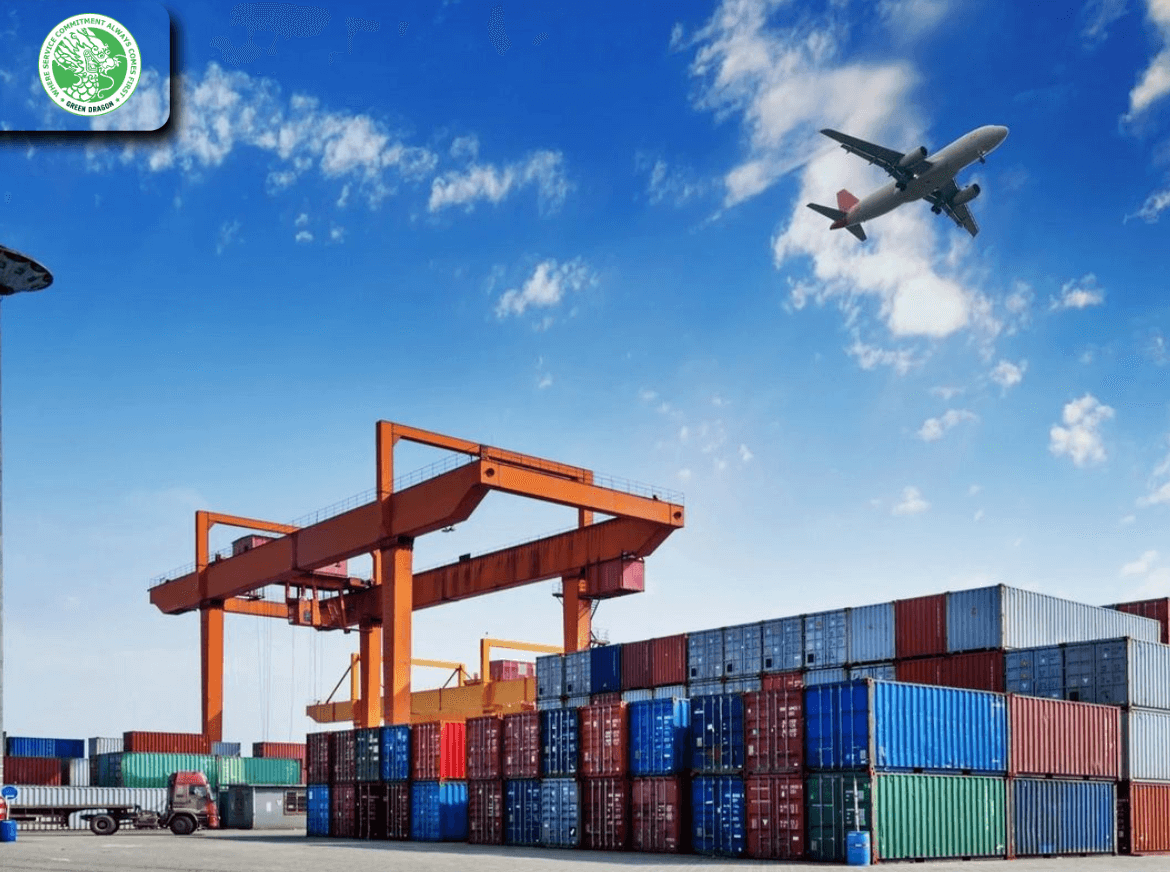
Why Ocean Carriers Are Reducing Sailings
Ocean carriers have increasingly focused on capacity management to ensure profitability amid unpredictable cargo flows. Reducing the number of sailings allows carriers to:
- Control the supply of available container slots, preventing overcapacity.
- Keep shipping rates Asia US route higher and more stable.
- Optimize fleet utilization and reduce operational costs such as fuel, port fees, and labor.
This strategy also helps mitigate the risk of transporting underutilized vessels, which can be costly during periods of low demand.
Practical Impact on Businesses
For businesses, fewer sailings mean limited shipping options and tighter schedules. Companies need to:
- Plan shipments earlier to secure space on available vessels.
- Consider alternative routes or multimodal logistics solutions.
- Adjust inventory planning to buffer against delayed shipments.
For instance, importers in Hanoi sourcing machinery from Shanghai may need to consolidate shipments or negotiate longer lead times to accommodate changes in sailing schedules.
Analyzing Freight Rate Volatility
Freight rate volatility remains a critical concern for logistics managers. Ocean freight rates Asia to US can swing dramatically within weeks due to market imbalances. Factors influencing volatility include:
- Global demand shifts for consumer goods.
- Congestion at major ports in the US, such as Los Angeles and Long Beach.
- Operational constraints, including crew shortages and vessel maintenance.
Companies that fail to account for these fluctuations may face unexpected costs, which can erode profit margins, especially for SMEs engaged in export-import operations.
Solutions and Strategies for Businesses
Given the current market dynamics, businesses can adopt several strategies to mitigate the impact of higher rates and fewer sailings:
- Flexible Shipping Contracts
Negotiate contracts that allow flexibility in booking windows and volumes, reducing the risk of being affected by sudden blank sailings Asia US. - Alternative Shipping Routes
Consider routes through Southeast Asian ports such as Ho Chi Minh City or Singapore, followed by transshipment to the US. This can alleviate pressure during peak congestion periods. - Inventory Buffering
Maintaining higher inventory levels can offset delays caused by fewer sailings, ensuring continuous supply for end customers. - Collaborate with Freight Forwarders
Freight forwarders often have better visibility on vessel schedules and can help secure space on high-demand sailings. - Monitor Market Trends
Regularly tracking global shipping industry trends can help businesses anticipate rate changes and adjust procurement strategies accordingly.
Advantages of Proactive Shipping Management
Adopting proactive shipping strategies not only reduces risk but also provides competitive advantages:
- Cost efficiency by avoiding last-minute high freight charges.
- Improved supply chain reliability and customer satisfaction.
- Greater ability to negotiate favorable terms with carriers.
For Vietnamese companies, leveraging local freight forwarders familiar with the Asia–US trade lanes can be particularly beneficial. These partners provide insights on ocean carriers capacity management and help navigate challenges arising from shipping rates Asia US route volatility.
Future Outlook for Asia–US Shipping Rates
Industry analysts expect that the trend of higher rates combined with fewer sailings will continue, at least in the short term. Factors influencing this outlook include:
- Increased operational costs for carriers, including fuel surcharges and port fees.
- Ongoing uncertainties in consumer demand in the United States.
- Strategic moves by carriers to maintain profitability amidst fluctuating cargo volumes.
While this may result in higher short-term costs for shippers, it can also stabilize long-term ocean freight rates Asia to US, allowing businesses to plan budgets more effectively.
Technological and Operational Innovations
To cope with volatility, carriers are increasingly investing in digital platforms and AI-driven analytics to optimize fleet deployment. For example:
- Dynamic vessel scheduling to reduce idle time.
- Real-time monitoring of container availability.
- Predictive analytics to anticipate peak demand periods.
Vietnamese exporters of textiles and furniture can benefit by integrating these insights into their logistics planning, ensuring timely delivery while controlling costs.
Conclusion
The current shifts in Asia–US shipping rates underscore the importance of strategic logistics planning. With ocean carriers focusing on higher rates and fewer sailings, businesses must adapt by leveraging flexible shipping solutions, monitoring market trends, and collaborating closely with freight forwarders. By taking proactive measures, companies in Vietnam and globally can maintain supply chain resilience, control costs, and ensure timely delivery despite the challenges posed by a volatile global shipping industry.
Understanding the interplay of blank sailings Asia US, Trans-Pacific container rates, and carrier strategies provides critical insights for decision-makers. Staying informed and agile is no longer optional—it’s essential for navigating the evolving dynamics of the Asia–US trade corridor.
For more insights and professional logistics solutions, visit our website: Green Dragon International Logistics, LLC
Recent Comments