
NEWS
Washington Bill Seeks Permanent Halt to Public Funding for Automated Port Equipment
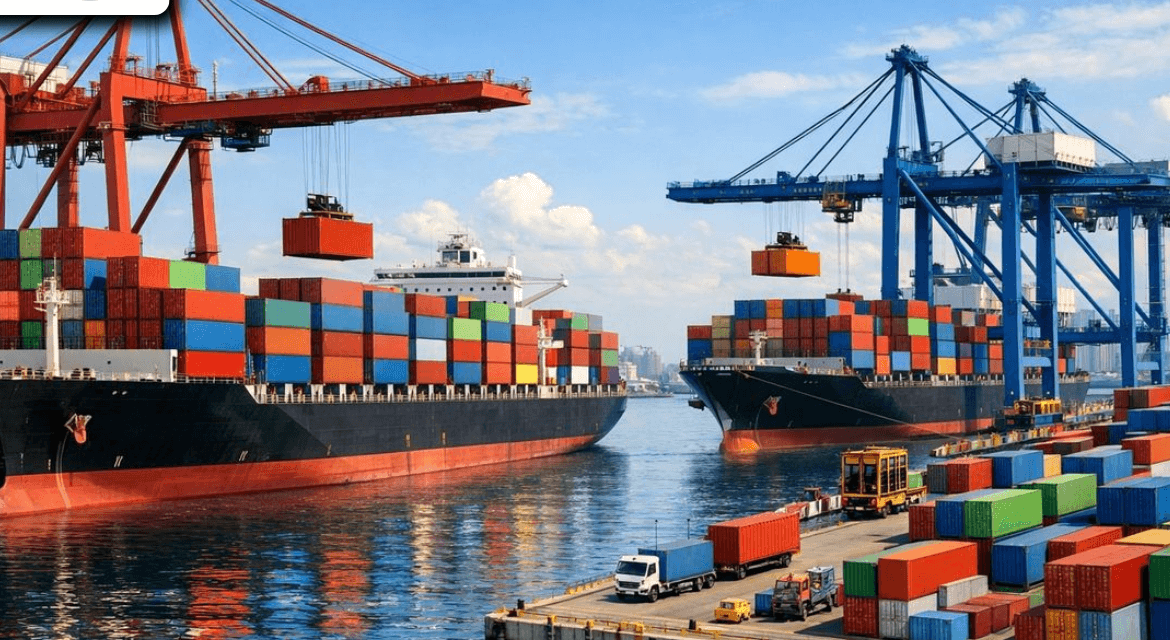
A new legislative proposal in Washington State is drawing significant attention from the logistics, maritime, and supply chain industries. The bill aims to permanently prohibit the use of public funds for fully automated port equipment, a move that could reshape the future of port operations across the state. As ports worldwide increasingly adopt automation to improve efficiency and reduce costs, Washington lawmakers are taking a different approach—one that prioritizes workforce protection and responsible public spending.
The proposed legislation builds on existing restrictions and reflects growing concerns among labor unions and policymakers about the long-term economic and social impacts of automation in critical transportation infrastructure.
Background: Automation and Public Funding at Washington Ports
Over the past decade, port automation has become a central topic in global logistics. Technologies such as automated cranes, remote-controlled container handling systems, and optical character recognition (OCR) have transformed how ports operate. While these innovations can enhance productivity and safety, they also reduce the need for on-site labor.
In Washington State, ports such as Seattle and Tacoma play a vital role in U.S. trade, serving as major gateways for trans-Pacific shipping. These ports have previously received public funding to modernize infrastructure, including investments related to automation.
However, in 2021, Washington lawmakers passed legislation that temporarily restricted the use of state funds for fully automated port equipment. That law included a sunset clause set to expire in 2031, allowing the issue to be revisited in the future.
What Is the Washington Bill Proposing?
Permanent Ban on Public Funding for Fully Automated Equipment
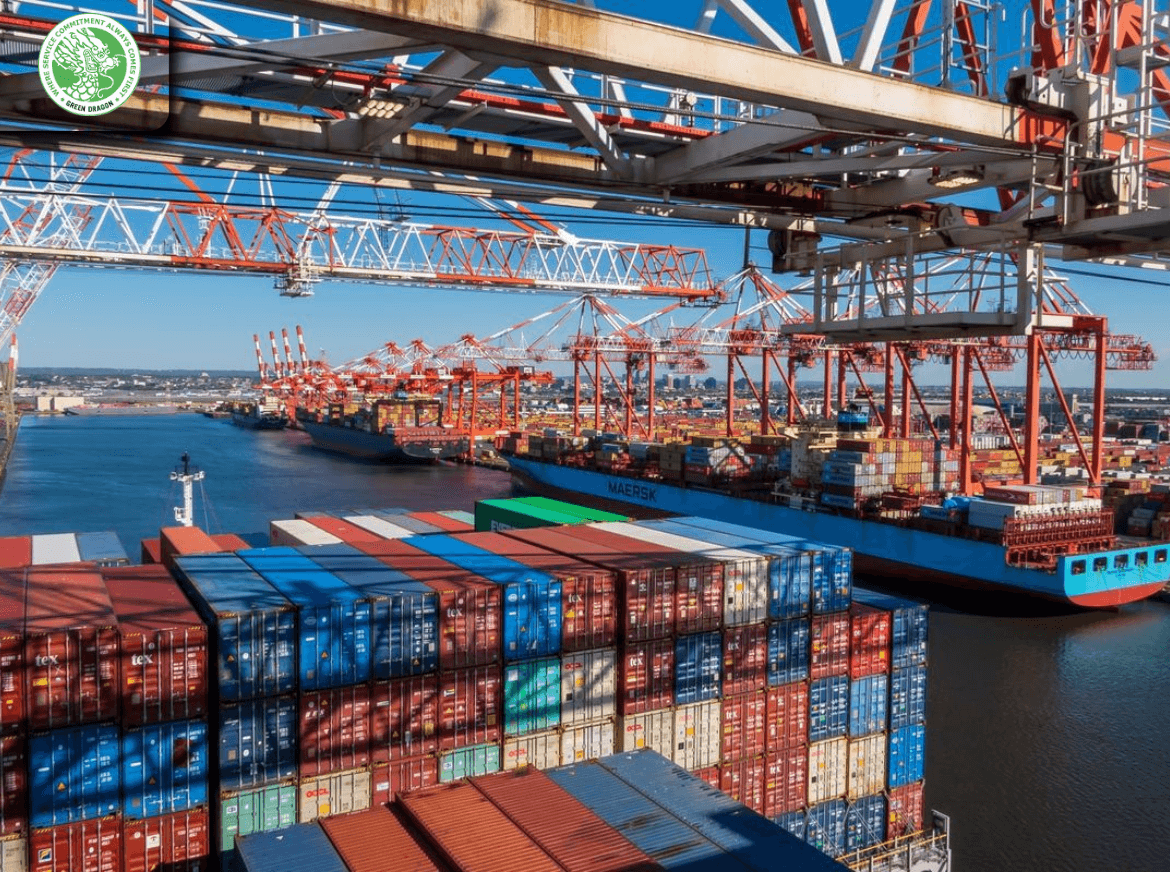
The newly proposed bill, Senate Bill 5995, seeks to eliminate the 2031 expiration date and make the funding restriction permanent. If passed, the legislation would prohibit the use of state or public funds to purchase, install, or operate fully automated port equipment at Washington ports.
Fully automated equipment is defined as systems that can operate without an on-site human operator, often relying on remote control or artificial intelligence to manage container movements and terminal operations.
The intent of the bill is not to ban automation entirely, but to ensure that taxpayer money is not used to support technologies that significantly reduce local employment opportunities.
Exceptions for Environmentally Friendly Equipment
While the bill restricts funding for fully automated systems, it allows public investment in zero-emission or near-zero-emission equipment—as long as that equipment is operated by human workers.
This provision reflects Washington State’s broader environmental goals, including reducing greenhouse gas emissions and promoting sustainable transportation. Electric cranes, low-emission yard equipment, and other green technologies would still be eligible for public funding under the proposed law.
By combining labor protection with environmental responsibility, lawmakers aim to strike a balance between innovation and social impact.
Why Lawmakers Are Supporting the Bill
Protecting Port Jobs and Local Communities
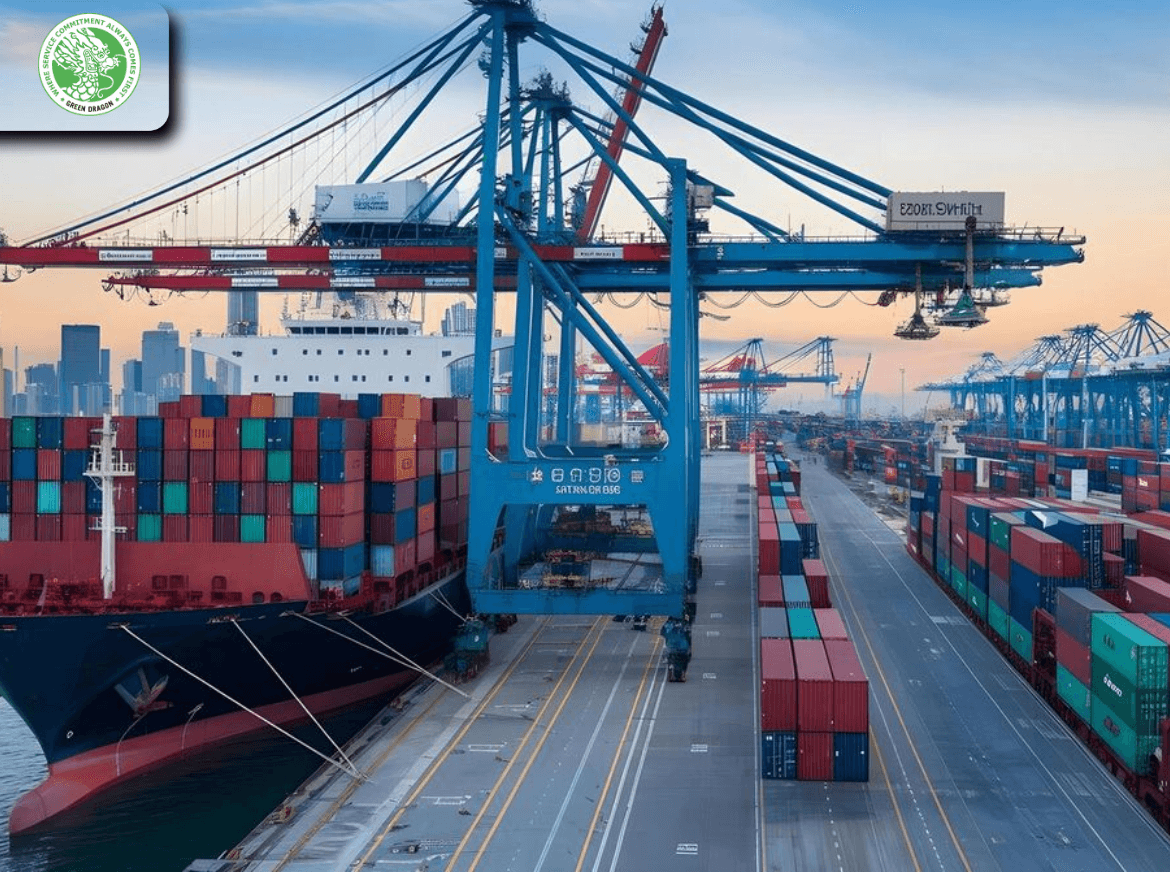
Supporters of the bill argue that port automation poses a serious threat to middle-class jobs in Washington. Labor unions, particularly the International Longshore and Warehouse Union (ILWU), have voiced strong support for the legislation.
According to union representatives, fully automated terminals require significantly fewer workers, which can lead to job losses and reduced economic stability in port communities. They also argue that automation often shifts control to multinational terminal operators who prioritize cost reduction over local employment.
From this perspective, public funds should be used to strengthen communities—not to subsidize technologies that displace workers.
Responsible Use of Taxpayer Money
Another key argument behind the bill is fiscal responsibility. Supporters believe that private terminal operators, many of which are highly profitable global corporations, should finance automation projects with private capital rather than relying on taxpayer dollars.
By restricting public funding, the bill ensures that state resources are directed toward infrastructure improvements that deliver broader public benefits, such as emissions reduction, safety enhancements, and workforce development.
Concerns and Criticism from Industry Stakeholders
Competitiveness of Washington Ports
Some industry groups and port authorities have expressed concern that limiting access to public funds for automation could reduce the competitiveness of Washington ports. As other global ports adopt advanced automation technologies, there is a risk that slower modernization could lead to congestion, higher operating costs, and reduced efficiency.
Critics argue that automation, when implemented responsibly, can improve safety, reduce human error, and enhance long-term port resilience—especially during labor shortages or peak demand periods.
Balancing Innovation and Employment
Opponents of the bill emphasize that automation does not necessarily eliminate jobs but changes the nature of work. New roles in system monitoring, maintenance, and data analysis may emerge alongside automated systems.
However, supporters counter that these new positions are often fewer in number and require specialized skills, making it difficult for displaced workers to transition without significant retraining.
Potential Impact on the Logistics and Supply Chain Industry
Short-Term Effects on Port Investment
If the bill becomes law, ports in Washington may need to adjust their investment strategies. Projects involving fully automated systems would likely rely entirely on private funding, potentially slowing implementation timelines.
At the same time, investment in green, human-operated equipment could increase, aligning port development with environmental regulations and labor expectations.
Long-Term Implications for Global Trade
Washington’s approach could set a precedent for other U.S. states and regions considering similar legislation. As supply chains face increasing pressure to balance efficiency, sustainability, and social responsibility, the outcome of this bill may influence future policy debates nationwide.
For logistics providers, freight forwarders, and shipping lines, understanding these regulatory shifts will be essential for long-term planning and risk management.
Global Context: Port Automation Trends Worldwide
Globally, port automation continues to expand, particularly in Asia and Europe, where fully automated terminals are becoming more common. These facilities often boast high throughput and lower operating costs but also face criticism related to labor displacement and system reliability.
Washington’s proposal highlights an alternative model—one that allows technological progress while maintaining a strong human presence in port operations. This approach reflects broader conversations about ethical automation and inclusive economic growth.
What Happens Next?
Senate Bill 5995 is currently under review by Washington State legislators. The bill will go through committee hearings, stakeholder consultations, and potential amendments before being brought to a vote.
If approved, it would move to the governor’s office for final approval. Should it become law, Washington would permanently restrict public funding for fully automated port equipment, marking a significant policy shift in U.S. port governance.
Conclusion
The Washington bill seeking a permanent halt to public funding for automated port equipment represents a critical moment for the logistics and maritime industries. It raises fundamental questions about how governments should support innovation, protect workers, and allocate public resources.
As automation continues to reshape global supply chains, Washington’s legislative approach underscores the importance of balancing technological advancement with social and economic responsibility. The final outcome of this bill will be closely watched by ports, policymakers, and logistics professionals around the world.
Recent Comments