
NEWS
U.S. Trade Trends and Their Impact on Global Import Activities
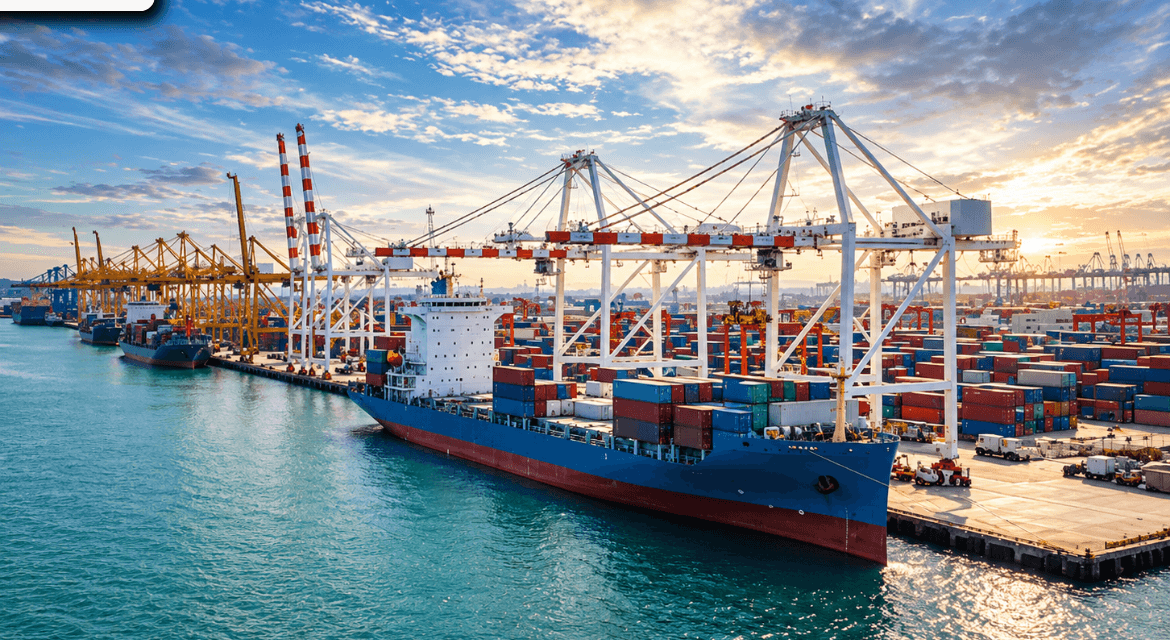
The United States is one of the major participants in global trade, with its import and export activities influencing the movement of goods across international markets. Changes in U.S. trade patterns can affect suppliers, manufacturers, distributors, and businesses that depend on international sourcing.
In recent years, factors such as changes in sourcing markets, trade policies, production locations, and supply chain structures have contributed to shifts in global trade flows. These developments not only change where goods are sourced from but can also influence how international imports are planned, transported, and distributed.
A Shift Toward More Diversified Trade Networks
One important trend in U.S. trade is the diversification of sourcing networks. Businesses are increasingly looking beyond a single country or supplier when making sourcing decisions. Factors such as production costs, supplier capacity, reliability, market access, and transportation conditions can influence where companies choose to source their goods.
This shift can affect global import activities because changes in U.S. sourcing decisions may create new trade flows between different countries and markets. When businesses expand their supplier networks, goods may move through different production and distribution routes before reaching the U.S. market.
The impact can also extend to other importing markets. Suppliers that serve U.S. businesses may adjust their production and distribution activities, while logistics networks may develop new routes to accommodate changing cargo volumes. As a result, the diversification of U.S. trade relationships can contribute to broader changes in international import flows.
Trade Policies Are Influencing International Goods Movement
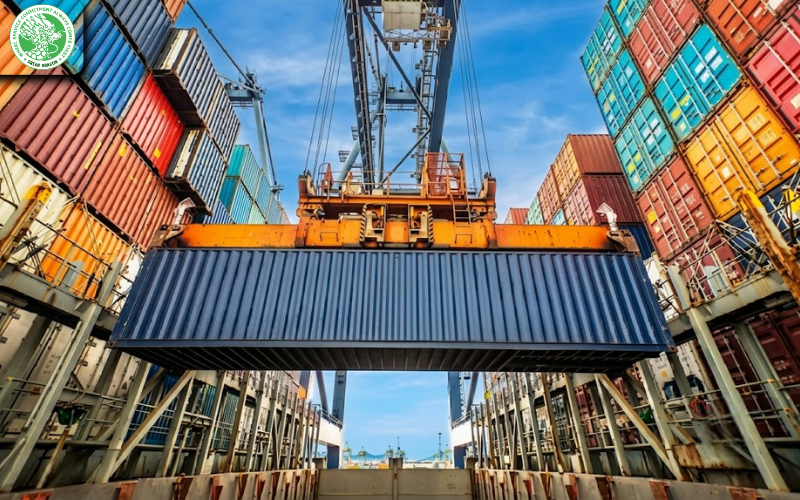
Changes in U.S. trade policies can also affect the direction and volume of international goods movement. Tariffs, trade agreements, import regulations, and other policy measures can change the conditions under which goods are traded between the United States and other markets.
When trade conditions change, businesses may reconsider their sourcing decisions or adjust the markets from which they purchase goods. Some companies may seek alternative suppliers, while others may modify shipment volumes or distribution arrangements.
These changes can have wider effects on global import activities. A shift in U.S. sourcing can influence production decisions in exporting countries and alter the movement of goods through international trade routes. Therefore, U.S. trade policies can affect not only direct imports into the country but also the broader network of suppliers and markets connected to those imports.
Global Import Flows Are Becoming More Dynamic
Changes in U.S. trade patterns contribute to a more dynamic global import environment. The origin, destination, and route of goods can change as businesses respond to demand, production conditions, sourcing strategies, and trade policies.
International goods may pass through several markets before reaching their final destination. Raw materials can come from one country, manufacturing can take place in another, and finished products can then be distributed through regional or international hubs. When U.S. businesses change their sourcing or purchasing activities, these interconnected flows may also change.
For global importers, this means that trade flows cannot always be viewed as fixed routes between two countries. Changes in one major market can influence suppliers, production locations, transportation networks, and distribution activities in other markets.
The United States therefore has an important role in shaping international import activities. Its trade decisions and market demand can contribute to changes in how goods move across global markets.
Businesses Are Adjusting to Changes in U.S. Trade
As U.S. trade patterns continue to change, businesses involved in international importing are also adjusting their approach. Rather than relying on a single sourcing or distribution structure, companies may consider several options to respond to changes in global trade.
Common adjustments include:
- Diversifying sourcing markets: Developing relationships with suppliers in different countries can provide additional options when trade conditions change.
- Reviewing import routes: Businesses may reconsider transportation routes and distribution points when sourcing locations or trade flows shift.
- Adjusting inventory planning: Changes in international supply and delivery conditions can lead businesses to review inventory levels and locations.
- Monitoring trade developments: Keeping track of policy changes and market conditions can help businesses identify potential effects on their import activities.
These adjustments show how changes in U.S. trade can influence business decisions beyond the United States. Importers need to consider not only the price and availability of goods but also how changes in international trade may affect the movement of those goods.
Implications for International Logistics
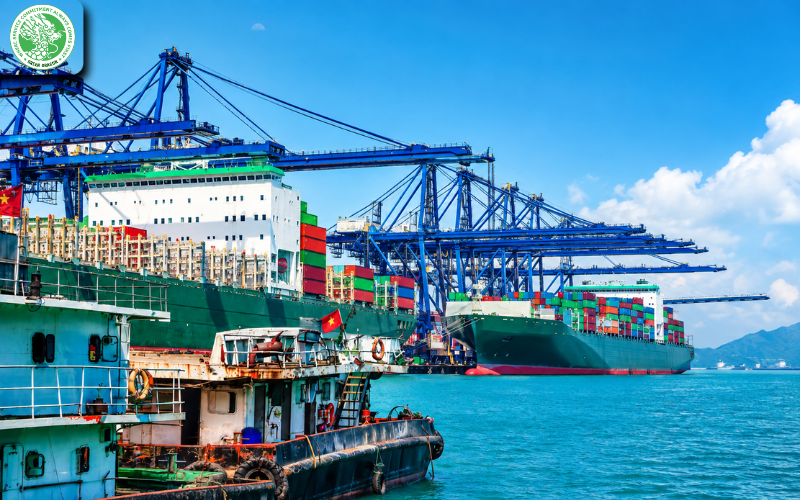
The changing patterns of U.S. trade also create implications for international logistics. When sourcing markets, shipment volumes, and trade routes change, logistics networks need to adapt to different cargo flows and transportation requirements.
International imports may involve several connected logistics activities, including inland transportation, freight forwarding, air or ocean freight, customs brokerage, warehousing, and final distribution. Changes in trade patterns can affect how these activities are coordinated across different markets.
For businesses importing goods connected to the U.S. market, having logistics arrangements that can adapt to changing trade flows can be important. Green Dragon International Logistics, LLC supports international trade activities through freight forwarding, air freight, ocean freight, inland transportation, customs brokerage, and warehousing services.
As global import activities become more interconnected, logistics providers need to support businesses in managing goods movement across different stages and markets. The development of U.S. trade therefore has implications not only for buyers and suppliers but also for the international logistics networks that connect them.
Conclusion
Changes in U.S. trade patterns can influence global import activities by reshaping sourcing networks, trade flows, production locations, and the movement of goods across international markets. As these trends continue to develop, businesses need to remain aware of how changes in U.S. trade may affect their international importing activities and logistics arrangements. Green Dragon International Logistics, LLC can support businesses in managing cross-border logistics as global trade flows continue to evolve.
Recent Comments